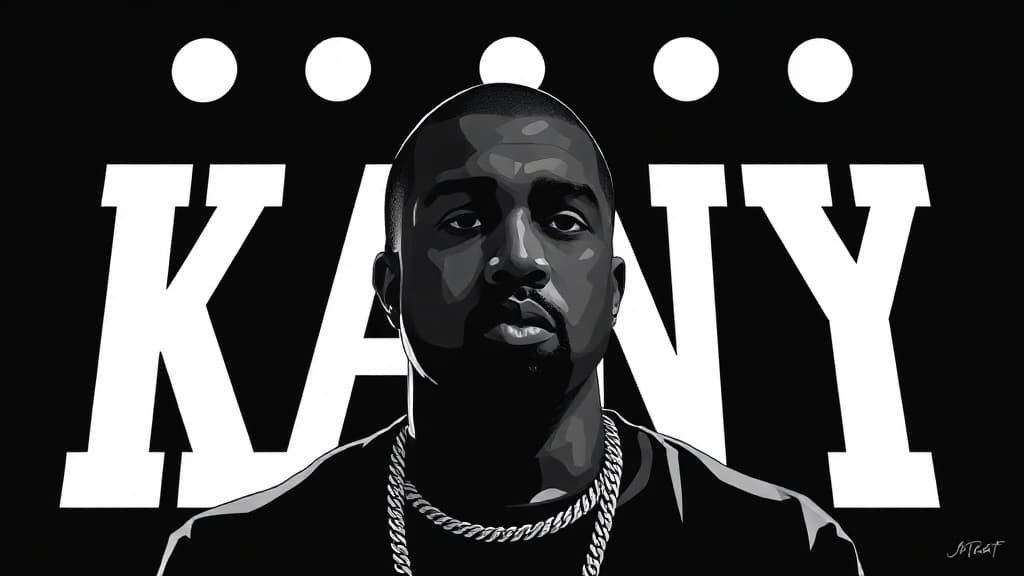
San Antonio's mayor is calling for the cancellation of Kanye West's July 4th concert at the city-owned Alamodome — not because the rapper committed a crime, but because government officials don't like what he has to say.
Mayor Gina Ortiz Jones declared on social media that "Military City USA should not host someone with a record of hate speech and antisemitic comments in a city-funded facility like our Alamodome — not ever, and certainly not on July 4th, our Nation's 250th birthday." The New York Times noted she added that standing up to antisemitism was "exactly what it takes to achieve a more perfect union."
Let's be clear about what Ye has said and done. In 2022, he posted that he was going "death con 3 On JEWISH PEOPLE." He released a song titled "Heil Hitler." He sold $20 shirts featuring swastikas and declared himself a Nazi. In January, he took out a full-page ad in the Wall Street Journal apologizing and attributing his behavior to a "four-month-long manic episode of psychotic, paranoid and impulsive behavior that destroyed my life," stemming from untreated bipolar disorder. He had previously apologized in 2023, then recanted in 2025.
The speech is vile. The question is whether a government official should wield her office to shut down a concert at a public facility because she finds the performer's views repugnant. The Alamodome holds more than 70,000 people. It is city-funded. That makes this a government gatekeeping problem, not a private venue making a business decision.
Jones isn't alone. Florida Senator Rick Scott wrote to the Tampa Sports Authority Board of Directors urging cancellation of Ye's two June concerts at publicly owned Raymond James Stadium, calling the rapper's antisemitic attacks "an affront to the values of the people of the Hillsborough Community." European officials have gone further: the UK banned Ye from entering the country entirely, Italy canceled a show over security concerns and objections from local Jewish leaders, and France's interior ministry considered blocking a Marseille performance before it was called off. Poland's culture minister justified a cancellation there by declaring that "artistic freedom does not mean giving a free pass to everything."
Deadline framed the story around the global cascade of cancellations; the Times emphasized Ye's history of antisemitic statements and noted almost in passing that he did manage to perform for nearly 40,000 fans in the Netherlands and sell out two nights at SoFi Stadium near Los Angeles. One Dutch concertgoer told the Times: "I'm here for the music, not for his point of view."
As of now, tickets for the San Antonio show remain available on Ticketmaster and Ye's website. No crime has been alleged. No due process has occurred. An elected official simply decided the wrong person was going to perform on the wrong day in a building the public owns.
The founders didn't write the First Amendment to protect popular speech. They wrote it for exactly this moment — when the people in power decide someone doesn't deserve to be heard. The question isn't whether Ye's views are defensible. It's whether government officials get to decide who speaks and who doesn't in a public venue on the holiday celebrating American independence.