New York City's Pride March banned uniformed gay cops from walking in their own parade Sunday while naming an anti-gun group as grand marshal — the latest sign that corporate-backed Pride events serve ideological enforcement, not inclusion.
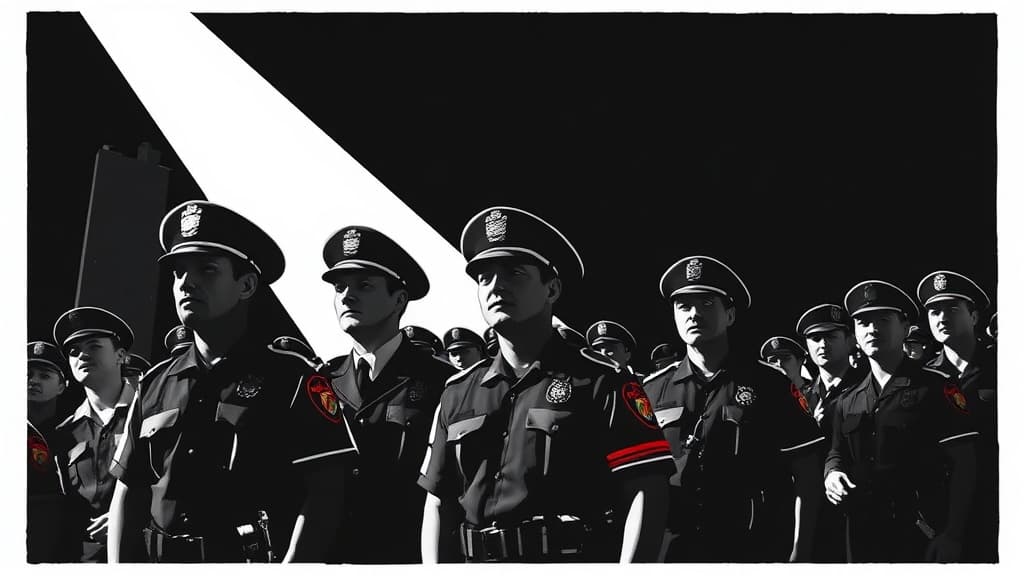
The 57th annual march drew roughly 75,000 participants under the theme "For All of Us" — a slogan that apparently doesn't extend to LGBTQ police officers who carry service weapons as a condition of their uniform. Heritage of Pride has barred active-duty law enforcement from marching armed since 2021, citing post-George Floyd "tensions" between police and the LGBTQ community. NYPD regulations require armed officers in uniform, so the Gay Officers Action League has sat out ever since.
NYPD Commissioner Jessica Tisch stood behind metal barricades on the sidelines alongside officers holding signs reading "Gay cops will not be erased from Pride" and "Pride March: Admit One." Tisch called the ban "as hypocritical as it is a slap in the face" during a Queens Pride parade earlier this month that allowed armed officers to march.
The AP framed the parade as a mix of "celebration and calls to action" responding to Trump administration rollbacks of transgender rights and DEI programs. The New York Post zeroed in on the cop ban and the selection of Gays Against Guns as one of five grand marshals — a group that staged a "die-in" at the Stonewall Inn commemorating the 2016 Pulse nightclub massacre and held a photo of an anti-ICE protester killed by law enforcement in Minneapolis.
The political establishment showed up in force. Mayor Zohran Mamdani, Gov. Kathy Hochul, Sen. Chuck Schumer, Attorney General Letitia James, and Public Advocate Jumaane Williams all marched — the kind of bipartisan ruling-class turnout that tells you whose interests the event actually serves.
Meanwhile, parade organizers faced pressure from another flank: transgender activists demanding NYC hospitals be barred from marching because several institutions stopped providing transgender youth treatments amid Trump administration funding threats and federal subpoenas for patient records. A judge temporarily blocked the document demand. Christen Clifford, a mother of two trans children, asked: "How can you let institutions that are actively harming queer kids march in Pride?" Heritage of Pride said parade contingents are organized by LGBTQ employee groups, not the hospitals themselves.
The AP noted that Republican governors have countered by designating June as "Nuclear Family Month," and Vice President JD Vance criticized Major League Baseball's response to San Francisco Giants players who added Bible verses to their rainbow-themed Pride Night caps. The AP buried the cop ban; the Post led with it.
A separate Queer Liberation March also proceeded in Manhattan, founded by activists who saw the main Pride March as too corporate and official — a telling admission from inside the movement itself.
The question left hanging: if Pride's theme is "For All of Us," who gets to decide which of "us" is welcome — and why are the answers always dictated by whichever faction holds institutional power that year?