Missouri running back Ahmad Hardy took the field Saturday night against Arkansas, nearly six months after catching a bullet in the leg at a concert in Mississippi — and the sports press celebrated the resilience while ignoring the question that matters: why are young American men getting shot at outdoor events in the first place?
Hardy, who rushed for 1,649 yards and a school-record 16 touchdowns in 2025, was a bystander when gunfire erupted at a May 10 concert in Laurel, Mississippi. He needed a metal rod inserted in his femur, according to Missouri coach Eli Drinkwitz. Police arrested a suspect on two felony counts of aggravated assault. ESPN framed the story entirely around grit and recovery — Hardy reading his Bible, leaning on teammates, and declaring himself "fully healed."
What ESPN didn't ask: what kind of community normalizes gunfire at a concert? What happened to the suspect? What conditions produced the shooter? Those questions don't fit the feel-good template.
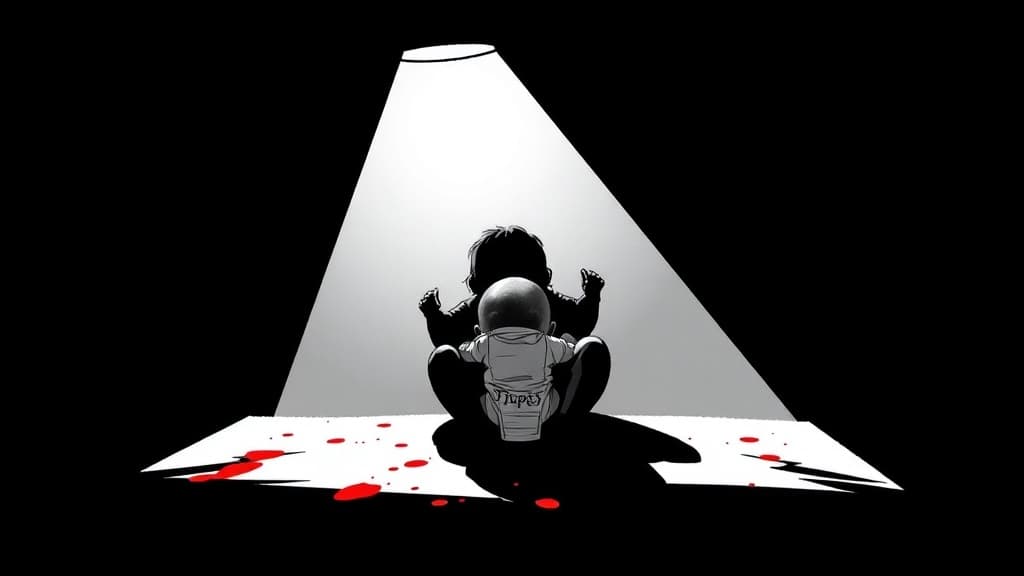
And Hardy's shooting isn't an isolated incident in Mississippi. Roughly 200 miles northwest of Laurel, the Senatobia Police Department headquarters was gutted by fire early Saturday morning under circumstances now being investigated by the ATF. That department has been under public scrutiny since June, when an officer fatally shot 1-year-old Kohen Wiley in a Walmart parking lot. Police suspected the boy's mother and a friend of stealing diapers and baby clothes. When the driver allegedly drove toward officers, one opened fire — killing the toddler and seriously injuring the passenger. The New York Post reported that the state Attorney General's office cleared the officer of criminal wrongdoing. He resigned earlier this month. The department's chief, Harold Vanderford, was fired in September after racist text messages surfaced.
Two shootings in the same state, six weeks apart. One puts a 20-year-old athlete in surgery. The other puts a 1-year-old in a grave over suspected diaper theft. In one case, the shooter is a criminal on the street. In the other, the shooter wore a badge and walked free. Both demand the same question the press won't press: how did violence this routine become this routine?
Hardy said Saturday that he pushed through recovery by trusting God and his support system. "If the good Lord said I can do it then I can do it," he told ESPN. That faith is real. So is the metal rod in his leg. And so is the fire that leveled a police department that killed a baby and called it justified.
The resilience stories write themselves. The accountability stories take work. Guess which ones the press prefers.