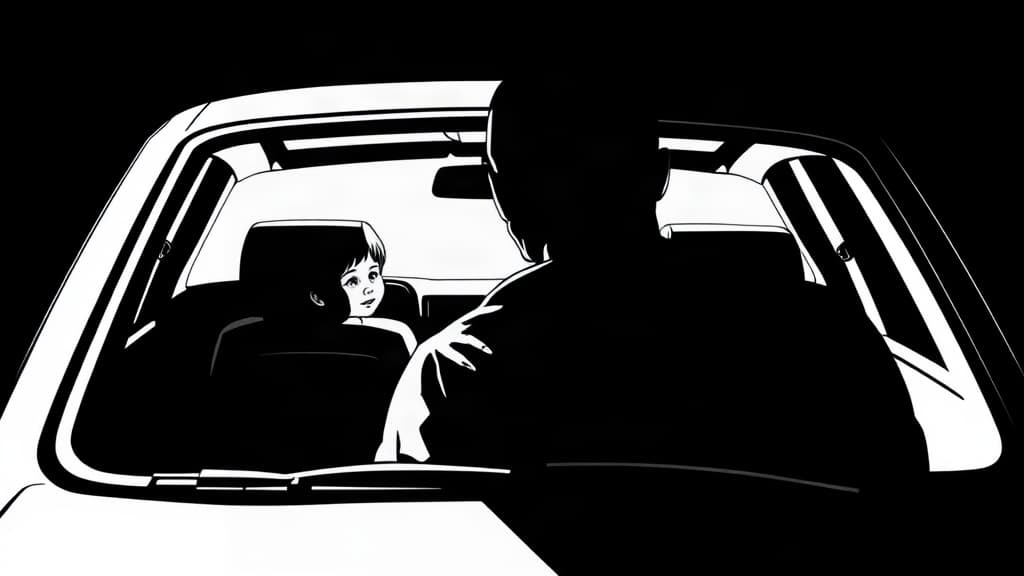
A child was found in the back seat of a stolen car in Everett on Monday — another ordinary day in the breakdown of basic law and order, where the cost is paid by families and the people who should have been stopped long ago walk free until something worse happens.
The suspect, Marvin Kentrez Pryien of Malden, already had an outstanding warrant for his arrest when he allegedly stole a vehicle in Lynn with a child inside. That detail — tucked into the official police release — tells you most of what you need to know. A warrant that didn't keep him off the street. A stolen car. A child along for the ride.
Lynn police sent out the alert around 4:45 p.m. Monday afternoon that a car had been stolen in the city with a child inside, according to Everett police. Everett officers tracked the vehicle to the area of Revere Beach Parkway and Vale Street, pulled it over, and took Pryien into custody without incident.
The child appeared unharmed and was taken to Massachusetts General Hospital to be examined before being reunited with parents Monday night, police said.
Everett police booked Pryien on several motor vehicle charges, reckless endangerment of a child, and that outstanding warrant. Lynn police will add kidnapping charges, officials said.
Both outlets covered the basic facts straight. Boston.com named the suspect and listed the charges, including the warrant. MassLive kept it brief and left out the suspect's identity and the outstanding warrant entirely — the detail that matters most if you're asking how this happened in the first place.
The question neither outlet asks: Why was Pryien on the street with an active warrant? Who let that slip? In a functioning system, a warrant means you get picked up. In the system Massachusetts has now — where progressive prosecutors treat enforcement as optional and incarceration as the real crime — warrants stack up, suspects cycle through, and children end up in the back seats of stolen cars.
The child is safe this time. The suspect faces charges this time. Next time, the warrant might be older, the chase faster, the ending different — and the same officials will issue the same statements about how the system needs more funding, not more accountability.