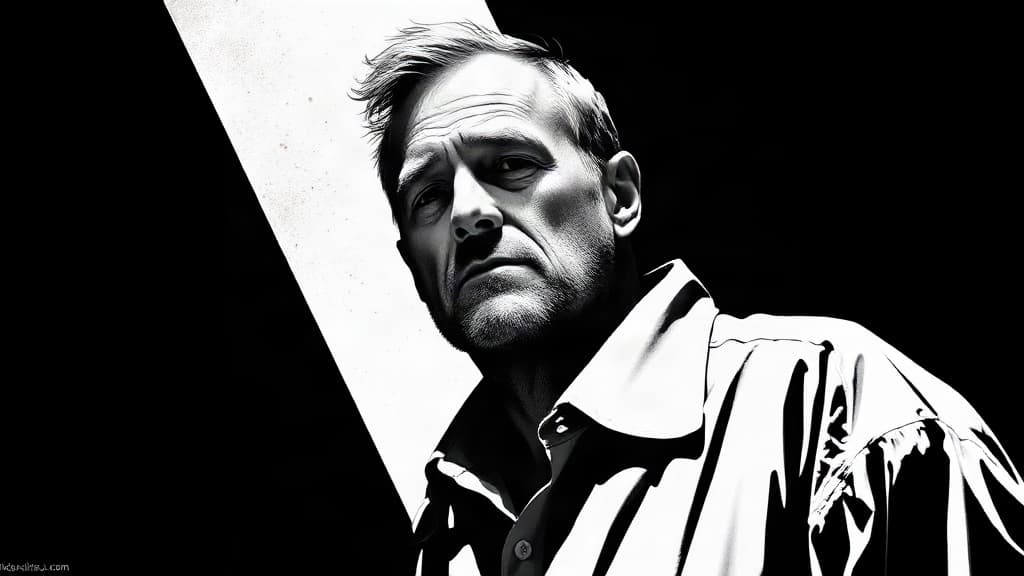
A 71-year-old man walked out of a Utah jail Monday after nearly four decades on death row — because DNA evidence proved he wasn't at the murder scene. Douglas Stewart Carter is free, but the system that nearly executed him on junk evidence faces zero accountability.
Carter was convicted in 1985 of murdering Eva Olesen, the aunt of Provo's police chief, based entirely on a confession he says police beat out of him and the testimony of two witnesses who later admitted they were paid to lie. No physical evidence tied him to the crime. None. The state wanted him dead anyway — and nearly got its wish.
A September 22 DNA analysis excluded Carter as a match to blood on a doorknob and genetic material on the knife used to stab Olesen, who was also shot. Judge Derek Pullan ordered Carter released on bail over the victim's family's objections. Carter must wear a GPS monitor while awaiting retrial.
The Utah Supreme Court ordered that retrial last year, citing what the Orange County Register reported as "multiple instances of intentional misconduct" by police and a prosecutor. The breaking point came in 2011, when the two key witnesses were tracked down in Mexico. They said police gave them cash and gifts, told them to lie in court, and threatened them and their son with deportation if they refused to implicate Carter. Both recanted.
Carter, a Black man convicted by an all-white narrative, signed his confession in 1985 while being interrogated by a Provo detective in Nashville. He said police repeatedly threatened him. At his first trial, the defense called zero witnesses. He was sentenced to death. Convicted again at a 1992 retrial. Sentenced to death again. Utah courts rejected appeal after appeal for years.
"If the state of Utah had their way, he would have been executed 15, 20 years ago before we discovered the misconduct," defense attorney Neal Hamilton said Monday. He urged prosecutors to dismiss the aggravated murder charge still hanging over Carter's head.
Prosecutors aren't there yet. Utah County prosecutor Erwin Petilos called the bail reassessment "necessary and fair" but said the state is still reviewing remaining evidence. They dropped the death penalty notice last week — a concession, not an apology.
Judge Pullan, for his part, said the DNA results "further undermined" the case but added that a reasonable jury "still could conclude" Carter killed Olesen. Read that again: DNA excludes the man, witnesses recanted, misconduct is confirmed, and a sitting judge says a jury could still convict. That's the system talking.
Carter's son, Tyler Anger — adopted as an infant, unaware of his father's existence until years later — waited outside the jail with a cart of pillows and blankets. "This is going to be a lot for him," Anger said. Hamilton said Carter will need therapy for what he called "41 years of state-induced trauma."
The question that hangs over Carter's release is the same one that hangs over every wrongful conviction that surfaces: how many more Americans are sitting in cells right now on coerced confessions, bought testimony, and buried evidence — and what happens to the officials who put them there? In Carter's case, the answer so far is nothing.