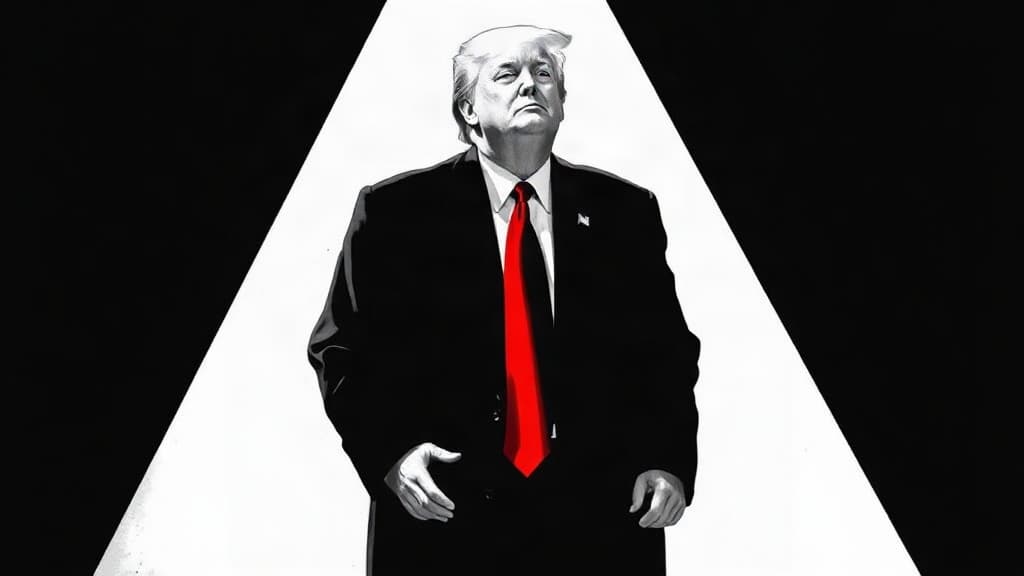
New York City Mayor Zohran Mamdani ordered the NYPD's first use-of-force review in a decade and poured an extra $2.6 million into a police oversight office — a one-two punch that will be felt hardest in the working-class neighborhoods that actually rely on cops, not the doorman buildings where Mamdani's donor class lives.
The directive, announced Monday, comes on the heels of public outrage after one of the officers who shot and killed 19-year-old Win Rozario was allowed to retire before his disciplinary trial. Rozario, who was in a mental health crisis, lunged at officers with scissors after being Tasered twice, body camera footage showed. Attorney General Letitia James declined to press criminal charges. But the officer's quiet exit — which NYPD Commissioner Jessica Tisch blamed on "human error" in failing to notify the Civilian Complaint Review Board — gave Mamdani his opening.
"When the government uses force against a New Yorker, the standard for accountability must be at its highest," Mamdani said in a statement. "Every New Yorker deserves to know that force will be used lawfully, carefully and only when necessary."
The reforms include a new notification system between the NYPD and the CCRB to prevent officers from retiring mid-discipline, and a push to close the loophole letting officers facing serious charges jump to other law enforcement agencies. The $2.6 million will triple the headcount at the Office of the Inspector General for the NYPD. DOI Commissioner Nadia Shihata said she was "thrilled" the office could "re-establish robust oversight of policing."
Here's the part the press releases won't say: Rozario's own family showed up at a rally outside City Hall last Thursday saying they felt "betrayed" and "lied to" by Mamdani for moving too slowly. The Daily News reported the rally included several Mamdani allies — Public Advocate Jumaane Williams and Councilmembers Alexa Avilés and Sandy Nurse — suggesting even his own coalition sees the mayor as long on announcements, short on delivery.
Meanwhile, the city's largest police union isn't taking it quietly. PBA President Patrick Hendry said there should be "no review of the NYPD's use-of-force policies without a corresponding review of the blatantly biased and unjust way those policies are interpreted by the Civilian Complaint Review Board." Hendry said the union has brought "several examples of CCRB's dysfunction and anti-police bias" to the mayor's team. CCRB investigators themselves determined the Rozario officers acted within department guidelines — but the board voted to substantiate charges anyway. That disconnect is the whole story, and Mamdani isn't addressing it.
The Post noted the basic facts of the shooting — Rozario charged with scissors after two Taser deployments — while the Daily News softened the scene, describing Rozario as "in the throes of a mental health crisis" without mentioning the scissors until well into the story. Both outlets buried the PBA's counterpoint.
This is the progressive prosecutor playbook executed at scale: not a headline-grabbing defund vote, but a thousand cuts — more oversight, more review, more bureaucracy — until cops in high-crime precincts hesitate before acting. The people who pay the price aren't in Gracie Mansion or the oversight offices getting new hires. They're in Ozone Park, where Rozario's family called 911 for help and got a dead teenager instead. They deserve answers. What they're getting is a funding press release.
The open question: when the next mentally ill New Yorker charges at cops and a split-second decision saves or ends a life, will $2.6 million more in oversight make that decision clearer — or just slower?