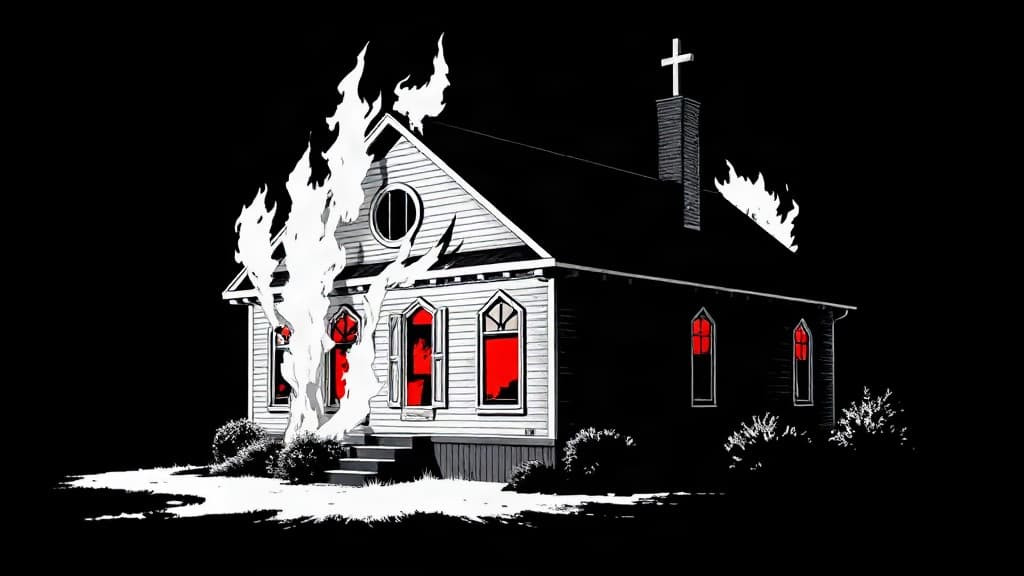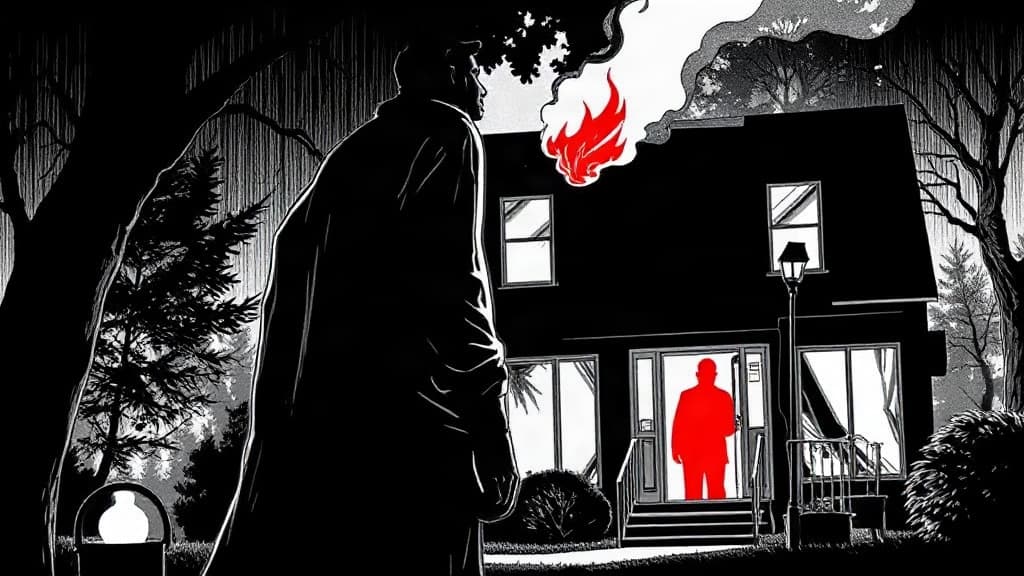
A homeless man torched his own relatives' house in Wheaton last weekend — the predictable consequence of a system that lets the dangerously unstable wander the streets until someone gets killed.
Nahom T. Abraha, 40, faces one count of aggravated arson, a Class X felony, after allegedly driving to his aunt and uncle's Woodlawn Street home around 6:28 a.m. on Sept. 13 with a three-liter water container full of gasoline, pouring it on the house, and igniting it, according to the DuPage County State's Attorney's Office. He then sat in his car and watched the fire — until a neighbor came outside, at which point Abraha drove to the Wheaton Police Department and turned himself in. That neighbor grabbed a fire extinguisher and put out the blaze before anyone inside was killed. DuPage County State's Attorney Robert Berlin commended the neighbor's "quick actions," which he said "quite possibly averted a tragedy."
The question that matters: why was Abraha living on the streets instead of in an institution? He had family in the area — the very people he allegedly tried to burn alive. Something broke down long before the gasoline did.
The same question haunts another case playing out 2,000 miles away. Nick Reiner, 33, was living on his parents' Brentwood property despite a documented history of addiction and what his own public defender calls "serious mental illness." He allegedly stabbed his parents — celebrated director Rob Reiner and producer Michele Singer Reiner — to death in their home last December. On Tuesday, Los Angeles DA Nathan Hochman announced prosecutors will not seek the death penalty, citing family wishes and mitigating factors. The maximum sentence: life without parole. The decision was largely symbolic anyway — California hasn't executed anyone since 2006, and Gov. Gavin Newsom imposed a death penalty moratorium in 2019.
Reiner's public defender, Kimberly Greene, said in a statement that his case is "a tragic example of how difficult it can be for people experiencing significant mental health challenges to access and navigate the treatment and support they need." That's one framing — the system didn't do enough to help. Here's another: the system refused to use the tools it already has, including involuntary commitment for people who pose a danger to themselves and others.
In Wheaton, a neighbor with a fire extinguisher saved lives because the system didn't. In Brentwood, a daughter found her father's bloodied body because the system didn't. Both cases share a common thread: someone dangerously unstable was left to deteriorate until the damage was done, and the people who paid the price were the ones closest to the problem.
Abraha's next court appearance is Oct. 13. No trial date has been set for Reiner, and Hochman said he doesn't expect one before 2027. The grand jury transcripts in the Reiner case remain sealed at the request of his siblings, who say public disclosure would cause "additional trauma and harm." The family's grief is real. So is the public's right to know what went wrong — and who decided to let it.