Peace talks with Iran have stalled, and President Trump is turning back to economic pressure — a move that hits American wallets every time they fill up the tank.
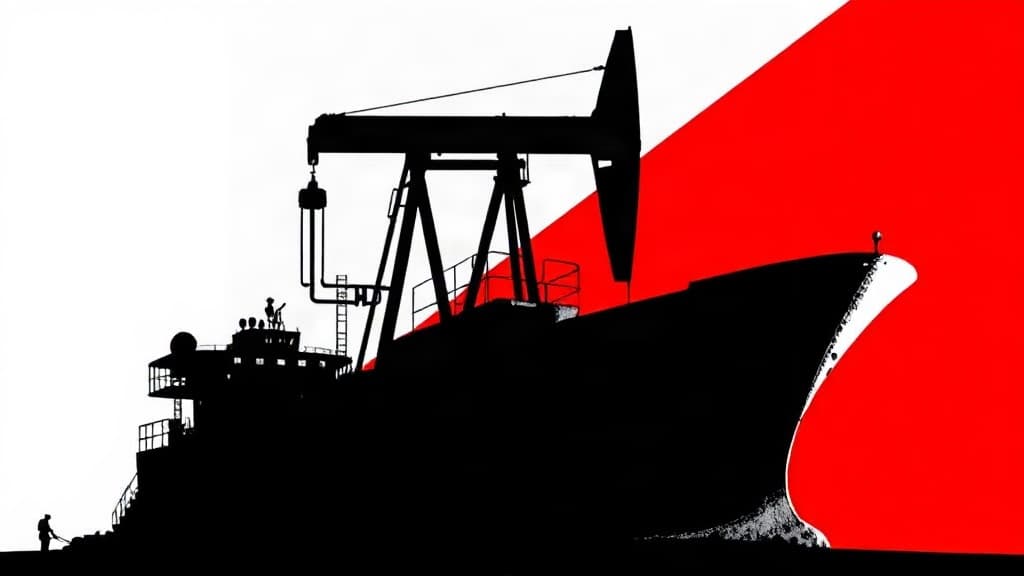
The shift matters because the Strait of Hormuz, choked by Iran since the war began, carries roughly 20% of global oil supplies. With negotiations foundering, crude prices climbed Monday on expectations the waterway stays shut. Higher fuel costs are already unpopular, and midterms loom in November.
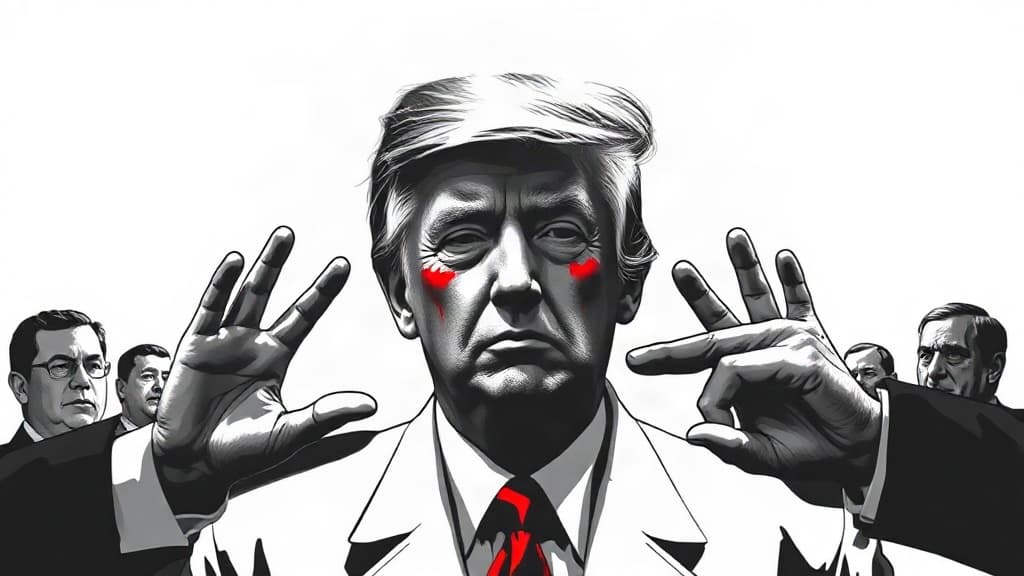
Trump told reporters that Iran is financially crippled. "Yeah, they can make trouble, but they're broke," he said. "They have no money. You know, Iran is broke, totally broke. And, they're not paying their soldiers. They have inflation of 300%." His inflation estimate runs higher than what his own officials have been briefing, but there's no dispute Iran's economy is under severe strain.
The administration has been running what it calls "Operation Economic Fury" since April 16. Treasury Secretary Scott Bessent called it the "financial equivalent" of a bombing campaign — threatening sanctions against any country that buys Iranian oil or banks with Tehran.
The immediate trigger for the pivot: Iran demanded U.S. war reparations as a precondition for any deal. Trump countered that he would "likewise" demand compensation from Iran — not just for the current conflict, but for attacks on U.S. targets stretching back over two decades, including the 2000 USS Cole bombing, plus damages in Lebanon, Syria, Yemen, and Gaza, and payments to families of Iranian protesters killed by the regime. He said these demands would be put "firmly into any, and all, future negotiations."
Euronews framed Trump's compensation demand as a direct tit-for-tat risking further delay; AP buried the back-and-forth and focused on whether sanctions can actually end the war. Both are true. Richard Nephew, who ran Iran sanctions strategy under Obama, noted that sanctions can't bite as fast as the strait closure — and stressed that Trump hasn't articulated clear strategic goals for the war itself.
Iran isn't showing fear. Foreign Ministry spokesman Esmaeil Baqaei posted that when Washington "proves itself incapable of pursuing diplomacy, it retreats into sanctions; and whenever those sanctions fail to produce results, it simply increases the dose." Meanwhile, Supreme Leader Mojtaba Khamenei reshuffled his military brass Monday, naming Revolutionary Guard general Ali Abdollahi head of the armed forces and Ahmad Vahidi as IRGC commander — his first senior military picks since taking power after U.S.-Israeli strikes killed his father.
The pattern is familiar: Trump threatens escalation, then pulls back, hinting a deal is close. He said last week he was "low-keying" his approach, letting economic pressure mount instead of launching more strikes.
The open question is whether pressure without a defined endpoint becomes just another forever strategy. Sanctions have failed to break Iran for decades. The strait closure is what's actually squeezing — and it's squeezing American consumers as much as anyone in Tehran.