Spain's socialist government rammed through sweeping housing controls by a single vote in a shrunken interim parliament, one day after mob protests and a general strike shut down Europe's fourth-largest economy — the same cycle of central planning creating crisis, then demanding more power to fix it, and it's coming for American housing markets next.
The playbook is simple: regulate housing into shortage, watch rents explode, then use the resulting public fury to grab more control. Prime Minister Pedro Sánchez called a snap election for November 29 after the conservative Popular Party blocked his housing agenda in the full parliament. He then pushed the same measures through a 69-member interim chamber — down from 350 — where his coalition held a razor-thin edge. The decree passed 35-34, according to SFGate.
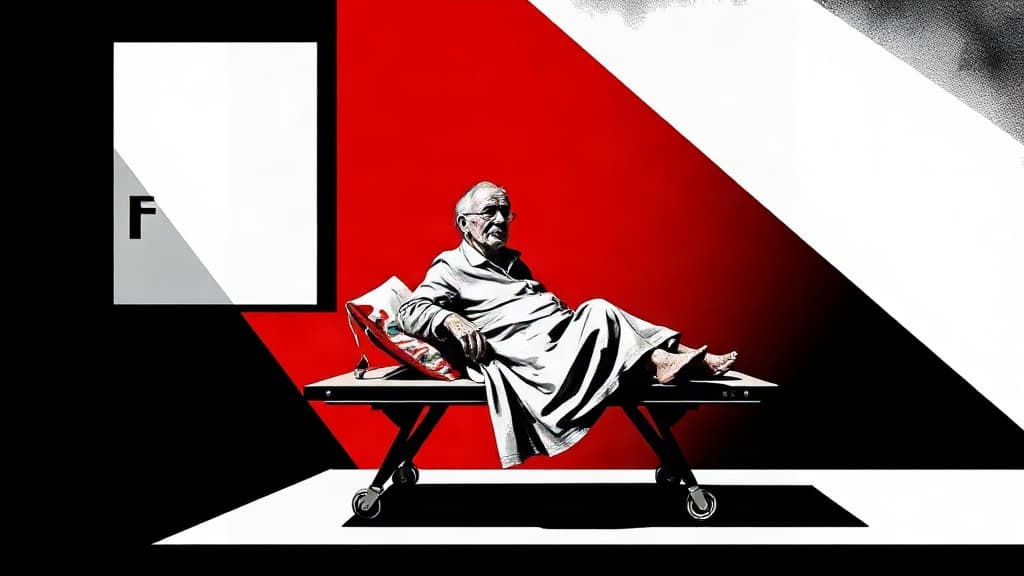
The crisis is real. Spain's central bank estimates a deficit of 750,000 homes, projected to exceed one million by 2028. The average rent of €1,176 ($1,315) equals 99% of a young person's salary, according to Spain's youth council. The breaking point came when 87-year-old Maricarmen Abascal was evicted on national television and subsequently died.
But the cure looks worse than the disease. The new decree extends eviction protections for tenants deemed "precarious" by social services until 2030 — as long as regional authorities can't offer alternative housing. It blocks companies from buying properties for less than 70% of value to stop "speculation." It caps rent increases above government-set reference prices. It slaps a 10% tax on tourist apartments through platforms like Airbnb. And it offers government-backed loans for down payments — more debt to solve a debt-driven crisis.
A second decree that would have made residential leases automatically renewable — requiring landlords who break contracts to compensate tenants with a full year's rent — was rejected. Even some government allies recognized that measure would cause property owners to pull rentals off the market entirely, worsening the shortage.
Outside parliament, the streets dictated terms. DW reported that 120,000 marched in Madrid and at least 55,000 in Barcelona, with activists claiming 400,000. DW reported that "peaceful protests later gave way to small groups of marauding young men who smashed storefront windows along Barcelona's main shopping street," set fire to dumpsters, and fired fireworks at police. Police used pepper spray on strikers at a Madrid wholesale market; at least 13 sought medical attention.
The Sánchez government openly cheered the chaos. Officials called the strike "in favor of rights" rather than against anyone, with sources close to Sánchez saying it was "against the opposition." PP leader Alberto Núñez Feijóo called that "an absurdity the likes of which does not exist in any other European Union country."
Interim Housing Minister Isabel Rodríguez celebrated the mob's victory: "Yesterday, the right to housing won on the street and in workplaces, and I hope it will win again at the ballot box."
The Popular Party has pledged to repeal the measures if it wins the November 29 election — which polls say is a real possibility.
Meanwhile, the activists who demanded these controls are already promising more. "We won't stop until we transform this country's housing model from top to bottom so that houses are for living instead of being at the service of the [landlord] minority," said Alicia del Río of the Madrid Tenants' Union.
The question isn't whether Spain's housing crisis is real. It's whether giving the same government that helped create the shortage permanent new powers over who lives where, at what price, and under what terms actually solves anything — or just guarantees the next crisis will be worse.