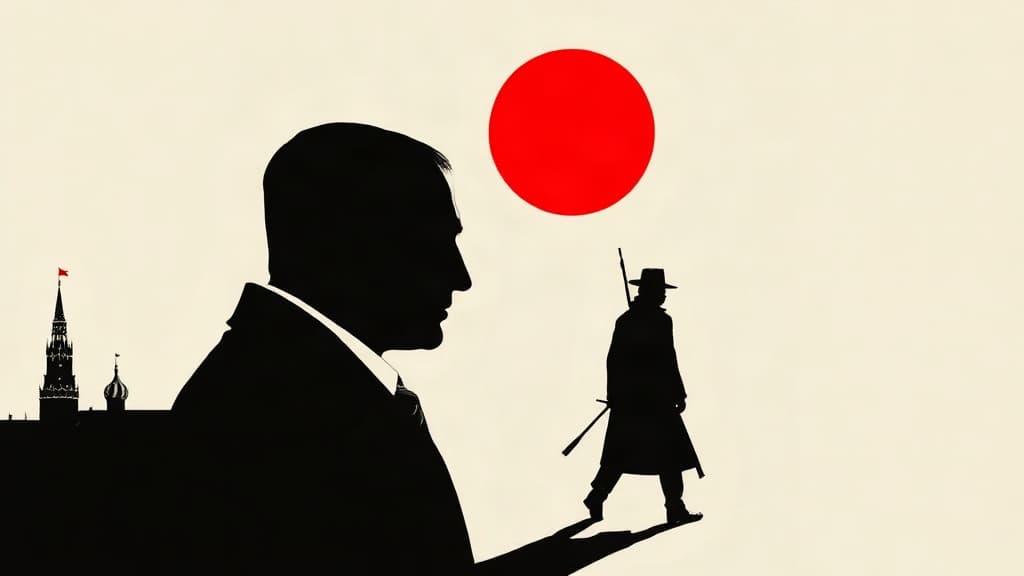
Russia is shuttering German cultural centers across the country, escalating a European spy-versus-spy spiral that Washington will inevitably be asked to fund.
The tit-for-tat closures come after Berlin kicked out Russian diplomats and cultural outfits over an alleged drone plot at a German airport. As the EU scrambles to respond to what its top diplomat calls "state-sponsored terrorism," the transatlantic establishment expects American taxpayers to keep underwriting Europe's defense posture while our own border remains wide open and our infrastructure rots.
Russian Foreign Minister Sergey Lavrov announced the closure of Germany’s Goethe-Institut centers in Moscow, St. Petersburg and Yekaterinburg. He said failing to respond would show a lack of "self-respect" and that Germany "could not have failed to understand" that closing the Russian House in Berlin would "signify the end of their cultural presence in Russia," according to AP News.
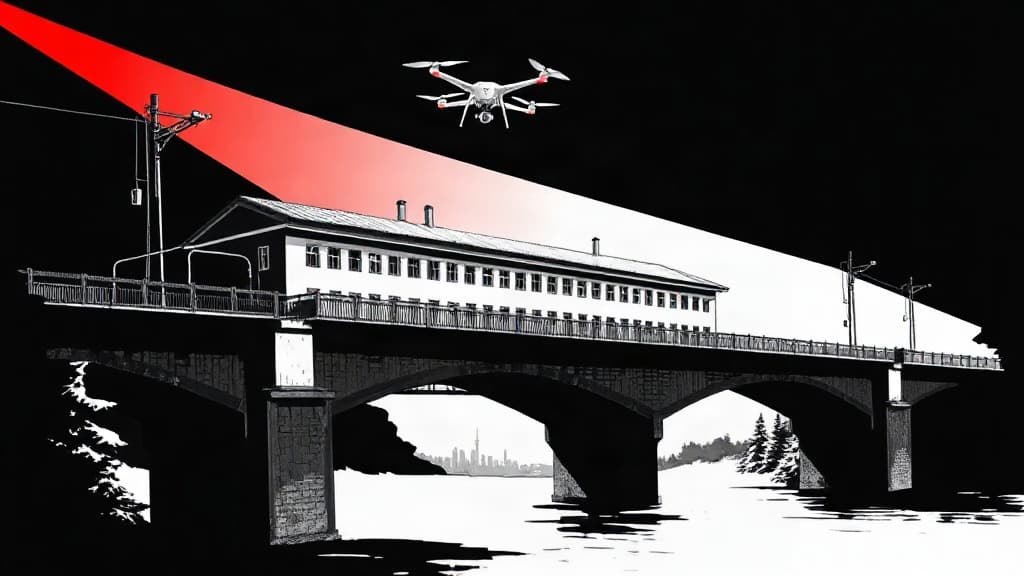
This retaliation stems from Germany’s Wednesday move to close the Russian Consulate in Bonn and the Russian House. Berlin blamed Moscow for an Aug. 4 incident where a drone laden with explosives was found near a Ukrainian plane at Leipzig/Halle Airport. The airport is a major freight hub moving weapons into Ukraine.
AP News framed the escalation as part of a wider campaign where Moscow has been "widely accused" of sabotage to undermine Ukraine support. The outlet buried Russian President Vladimir Putin’s counter-claim that Berlin is using the allegations to distract from its own domestic failings and that any proof "has been planted."
The institutional press may take Berlin's word, but the facts on the ground show a continent stumbling toward a wider conflict. EU foreign policy chief Kaja Kallas told reporters the drone plot has "all the hallmarks of state-sponsored terrorism" but admitted the bloc is struggling to find responses short of military means. Denmark's intelligence service is now warning of imminent Russian sabotage against its defense industry. Germany insists it is "not at war" but has become a "daily target" of the Kremlin.
The EU's answer? More sanctions. Kallas announced another 1,600 travel bans and asset freezes, adding to almost two dozen previous packages hitting 3,000 entities. German Foreign Minister Johan Wadephul demanded Russia show it is ready for "reasonable talks and negotiations," even as Berlin and its allies systematically sever ties.
This is a European quarrel, paid for with European choices. Every sanction, every weapons hub, and every consulate closure is a step closer to the direct conflict the EU claims it wants to avoid. The American taxpayer owes Europe nothing for its border squabbles. Let Berlin fund its own defense against its own "daily targets."
How long before the EU's struggle to avoid military means fails—and how many American dollars and weapons will be dragged across the Atlantic to pay for it?