Elon Musk's Starlink system could force Vladimir Putin to accept an energy truce in Ukraine — but the Washington war machine keeps demanding blank checks for air defense interceptors that won't arrive for years.
President Trump announced Monday that Russia and Ukraine had "agreed" not to strike each other's energy infrastructure, according to the New York Post. A deal like that would spare Ukrainian civilians from a devastating winter and spare American taxpayers from another round of emergency aid. The problem: the Kremlin hasn't confirmed anything. Putin is calculating he can freeze Ukraine into submission, and the establishment's answer is the same as always — spend more, wait longer, keep the war going.
Kyiv quickly expressed readiness for an energy truce, the Post reported, but Moscow stayed conspicuously silent. The reason is no mystery. Ukraine is staring down its hardest winter yet, desperately short of PAC-3 interceptors for its Patriot air defense systems. Western countries have few to spare. Expanding production and developing cheaper alternatives will take years, not months, the Post noted — years during which the bills keep flowing to American taxpayers.
Meanwhile, Russia is churning out more than 100 Iskander and RM-48U ballistic missiles per month and has already received roughly 190 from North Korea, with requests for more on top of that, according to the Post.
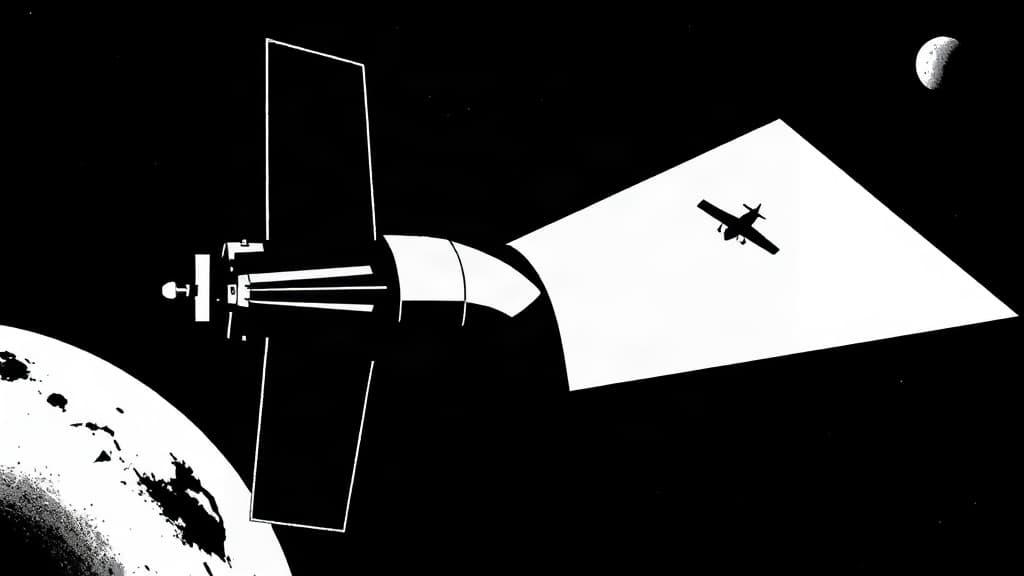
The pragmatic fix already exists. Ukraine has used Starlink-controlled drones to destroy logistics trucks on occupied territory. Starlink's resilience to jamming, low latency, and compact terminals give Ukrainian forces an asymmetric advantage for strikes beyond the radio-signal horizon, the Post reported. If Kyiv were permitted to use that capability against the ballistic-missile launchers inside Russia — striking the "archers" instead of intercepting the "arrows" — Putin would lose his primary leverage and face real pressure to accept a truce.
That's the America First play: leverage existing technology to force a negotiated settlement instead of writing open-ended checks for defense contractors selling systems that arrive years too late.
While Washington debates more aid packages, Musk is also building tools that put money back in Americans' pockets. The Tesla Cybercab — now in limited Robotaxi service in Austin, Texas — could let ordinary owners generate up to $30,000 a year in passive income, Musk has claimed. YouTuber Kim Java, who tested the vehicle at a recent Texas event, said the figure is theoretically possible but cautioned that Tesla will likely take a revenue cut and that maintenance, charging, and downtime all eat into the bottom line. "I really need to see what the numbers look like on the back end," she told Europe Says. "Like I want to know how long do the tires last? Like what's involved with maintenance?" The Cybercab isn't in full production yet, so the real numbers remain an open question.
The pattern writes itself. Musk builds things that work — satellites that can break stalemates, robotaxis that could generate income for working people. The establishment builds dependency — on foreign aid with no exit strategy, on defense systems that perpetually need more funding, on wars with no defined American interest.
Trump says both sides agreed to an energy truce. Putin is betting he can outlast the diplomacy. The open question is whether Washington will use the tools already on the table to call that bluff — or keep reaching for the checkbook.