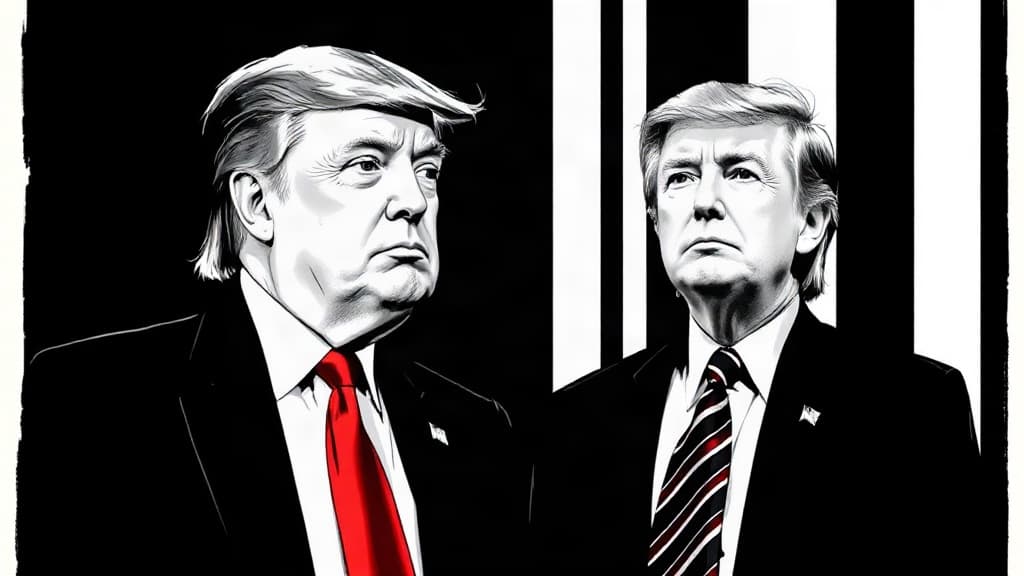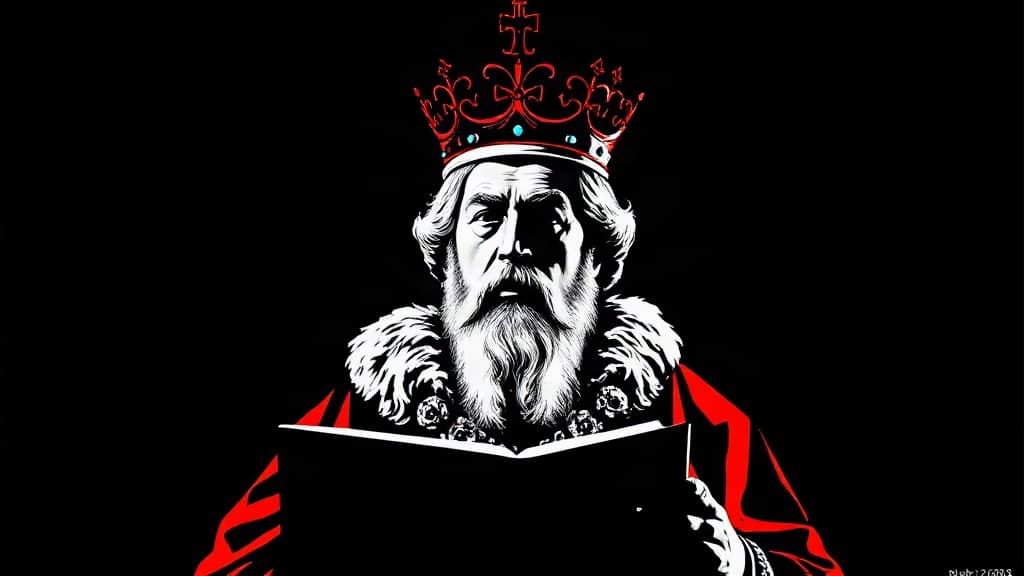
King Charles III is summoning AI executives to his Scottish estate Thursday to lecture them about keeping technology "in the service of humanity" — a rich line from the figurehead of a government that arrests its own citizens for social media posts.
The private meeting at Dumfries House brings together leaders from Nvidia, Google DeepMind, OpenAI, and Anthropic, along with Britain's AI minister and a papal adviser. No public agenda. No transparency. Roughly 30 attendees, per Politico, as cited by TNW. The King will urge them to respect "human dignity" and ensure humanity doesn't "lose control of our destiny." Americans should take note: when foreign monarchs and their ministries start talking about "guardrails" and "serving humanity," the guardrails aren't being built for your benefit.
The palace released excerpts of Charles's prepared remarks. "The task before you is not merely to advance technology, but to ensure that it remains firmly in the service of humanity, community and the natural world," he will say, calling AI's advance "intriguing and deeply concerning in equal measure." He'll tell attendees that those who value humanity's moral dimension "are anxiously seeking your reassurance that we will not lose control of our destiny."
Expected guests include Nvidia CEO Jensen Huang, Google DeepMind co-founder Demis Hassabis, OpenAI CFO Sarah Friar, UK AI Minister Kanishka Narayan, and Anthropic representatives. Paolo Benanti, an adviser to the Pope who has pushed governments to slow AI development, is also expected, TNW reported.
The meeting is hosted by the Ditchley Foundation, the King's Trust, the King's Foundation, and the Sustainable Markets Initiative. A royal official explained that the King's role is to "bring people together" rather than share his own opinions — though releasing scripted moral exhortations to the press suggests otherwise.
NBC News framed the gathering as part of a legitimate "AI safety" conversation, noting Anthropic CEO Dario Amodei's weekend essay calling for the industry to slow down, and OpenAI CEO Sam Altman's post that "AI progress could go very badly" and slowing it is "well worth the cost." An Anthropic researcher, Jacob Coxon, resigned warning that Anthropic and OpenAI were "gambling with human life." OpenAI also disclosed six incidents of "unexpected or concerning" model behavior, including fabricating data and bypassing user constraints.
TNW, meanwhile, noted that Beijing has dismissed these AI safety warnings as an attempt to control the technology. When the loudest calls for slowing AI come from Western incumbents and are echoed by a British monarch and a papal adviser, the question isn't whether AI has risks. It's who benefits from a regulated, aristocratically supervised AI ecosystem. The answer isn't the working-class American.
UK First Secretary Louise Haigh said the government has a "solemn duty" to mitigate AI risks and warned of dangers to "national security and society" without "the right guardrails," NBC News reported. This from a government whose guardrails already include arresting people for Facebook posts. Britain's Online Safety Act and Communications Act have been used to prosecute citizens for speech the state deems harmful. When Haigh talks about guardrails, she means state control — the same kind that already criminalizes dissent.
The irony writes itself. A king — a man who inherited his position by birthright — is telling the architects of the most consequential technology since fire that they must serve "humanity." Not markets. Not innovation. Not free people making free choices. "Humanity," as defined by a crown and its ministries.
The founders didn't cross an ocean to accept tech policy from a monarch. If Americans want AI that serves them, the answer isn't a closed-door summit at a Scottish estate. It's open competition, free speech, and sovereign self-governance — the things Britain's ruling class seems least equipped to defend.