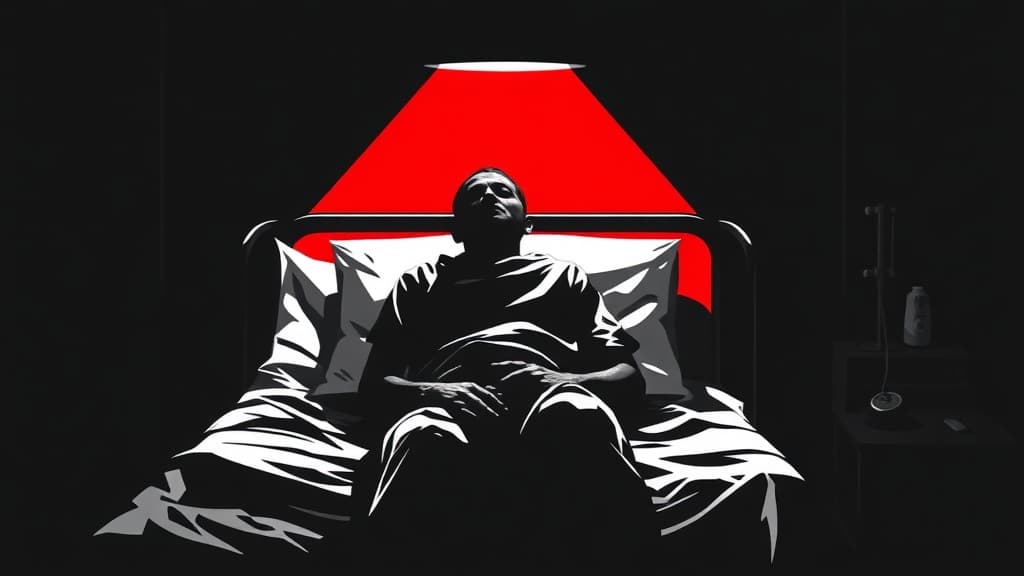
Indian police dragged a prominent activist from a protest site and forcibly hospitalized him after 20 days on hunger strike — a stark reminder that when the state decides your dissent is a medical condition, your rights are already gone.
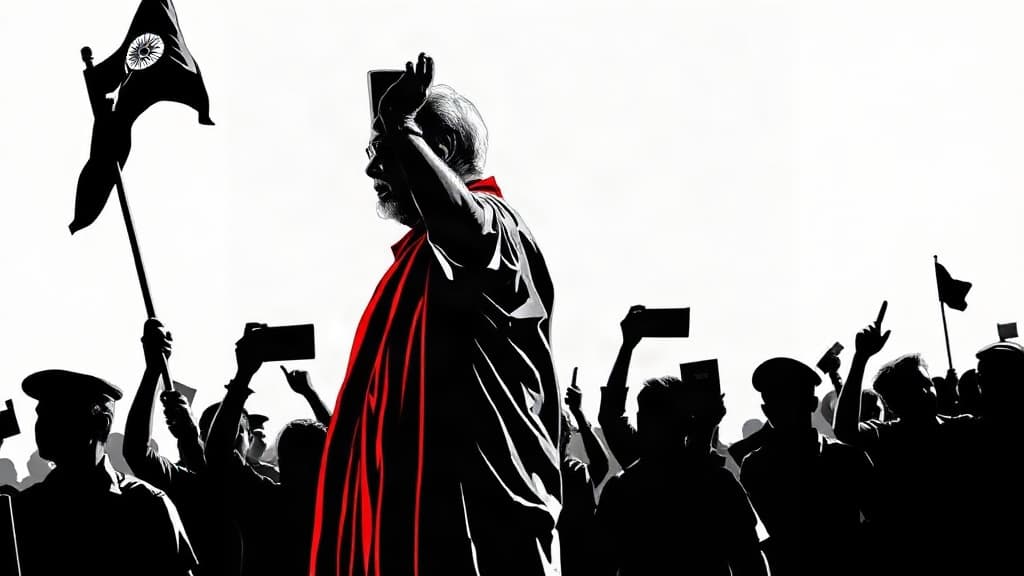
Sonam Wangchuk had been camped at New Delhi's Jantar Mantar protest ground, demanding education reform and the resignation of Education Minister Dharmendra Pradhan over leaked exam papers that have roiled millions of Indian students. On Saturday, plainclothes officers pushed through his supporters, carried him to an ambulance, and took him to a hospital — all under the banner of "essential medical care."
The Cockroach Janta Party, which organized the protest, posted video showing officers in civilian clothes forcing their way through the crowd. "They dragged Sonam sir away while hurling abuse at him," said Abhijeet Dipke, the party's founder, who said he was assaulted by police when he tried to enter the protest area. The party takes its name from a judge's slur comparing India's unemployed youth to cockroaches — a telling glimpse at how the establishment views the people it claims to serve.
The Delhi police acknowledged a "slight commotion" and claimed protesters "tried to create obstruction," but insisted the forced removal was court-ordered. They cited a high court directive asking authorities to monitor Wangchuk's health and "intervene" if medication was deemed necessary. That's the mechanism: a judge signs an order, the state decides your strike has gone far enough, and your body is no longer your own.
The Atlanta Journal-Constitution noted that the movement also seeks compensation for families of students who killed themselves over the exam leaks and results. The New York Times provided the fuller picture of chronic mismanagement — India canceled its nationwide medical college entrance exams after questions were leaked, a recurring scandal that affects millions seeking education and government jobs. The Times also reported the video evidence and Dipke's account of police abuse, details the AJC omitted.
Both outlets framed the hospitalization as a health intervention. But strip the clinical language and here's what happened: a man refused food to protest government corruption, and the government used that act of conscience as legal grounds to seize his body. The court order didn't protect Wangchuk's rights — it provided cover to silence him.
Americans watching this should understand the principle at stake. When the state claims the power to override your autonomy for your own good — whether it's forced feeding, compelled medical treatment, or mandated speech — the definition of "care" expands until it swallows dissent whole. India's courts provided the legal veneer. Our courts are fully capable of doing the same.
The question isn't whether Wangchuk needed a doctor. It's who gets to decide — the man on strike, or the state he's striking against?