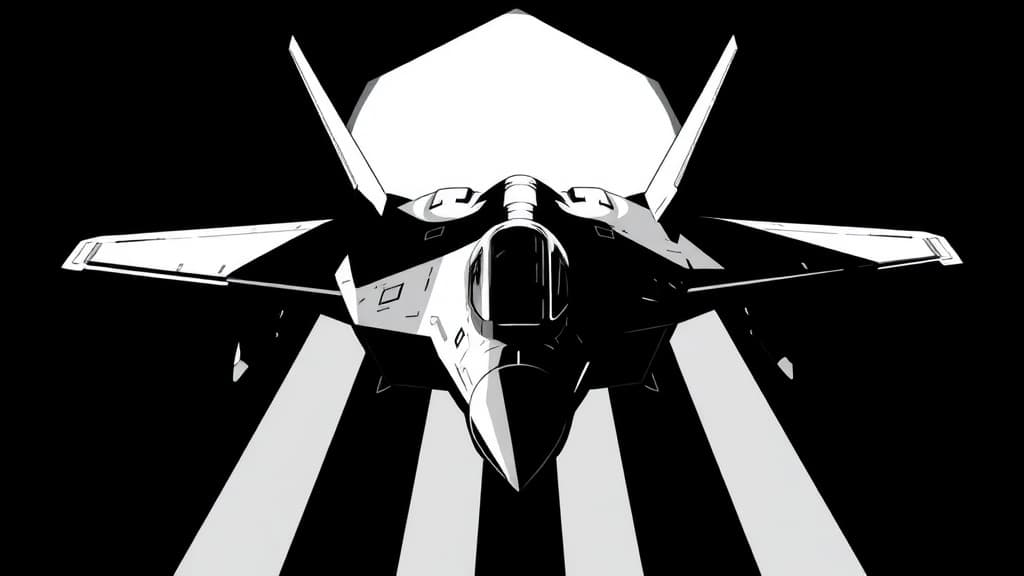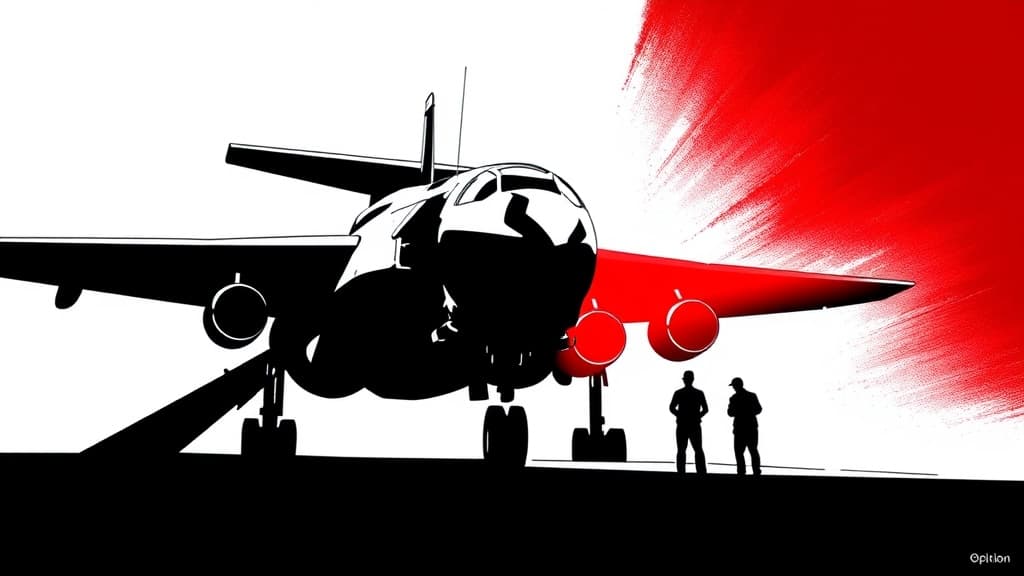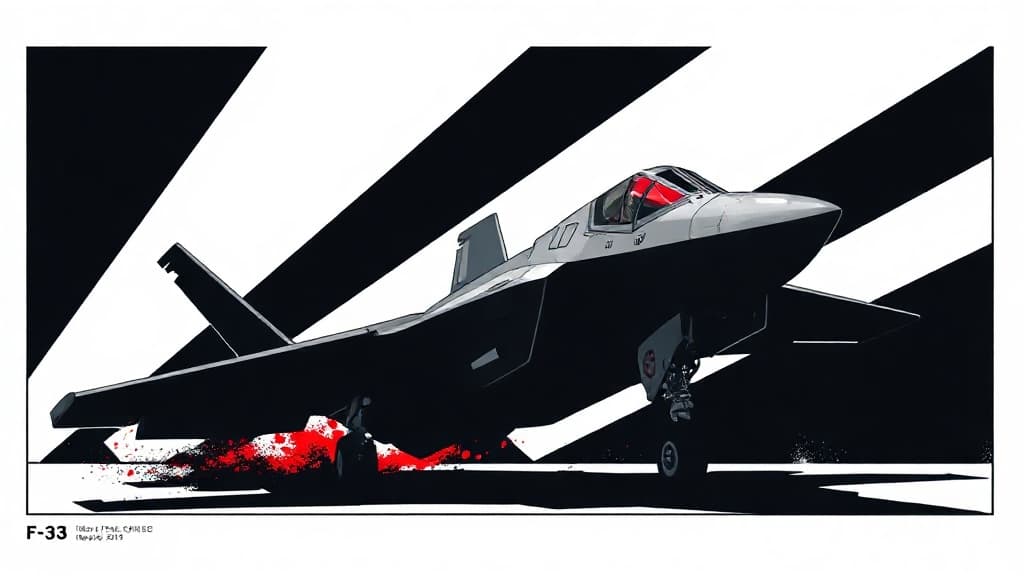
An F-35B fighter jet crashed at Marine Corps Air Station Miramar in San Diego Friday morning — another $130 million aircraft written off in the Pentagon's $1.7 trillion jet program, with the American taxpayer left holding the bag.
The Marine Corps confirmed the crash, which the military classified as a "Class A mishap" — the most serious category, meaning the aircraft is likely a total loss and damage exceeds $2.5 million. The pilot ejected and was recovered with non-life-threatening injuries, the New York Post reported, and is in stable condition. The crash occurred on the base's flight line around 10 a.m. The F-35B was assigned to the 3rd Marine Air Wing, Marine Air Group 11.
A witness account relayed to Fox 11 described the jet coming in very low as it prepared for landing and missing the runway. The pilot ejected, a fireball erupted from the aircraft, and the jet struck the ground tail-low with its nose tilted upward. Charred remnants were visible on live footage, according to KGTV. The FAA briefly imposed flight restrictions over the area but has since lifted them.
The F-35B — the short-takeoff, vertical-landing variant — costs more than $130 million per aircraft to build, according to the Orange County Register. The broader F-35 program, run by Lockheed Martin, is projected to cost taxpayers $1.7 trillion over its lifetime, making it the most expensive weapons program in American history.
ABC7's coverage was sparse — confirming the crash and pilot ejection with little beyond a Marine Corps statement. The New York Post provided the details that matter: the Class A classification, the witness account of a botched landing approach, and the price tag. Neither outlet pressed on the F-35's well-documented record of failures, cost overruns, or Lockheed's grip on the Pentagon procurement process.
That record is long and ugly — engine fires, software meltdowns, ejection-seat dangers, parts shortages, and crash after crash. Each failure gets the same response: more money. Lockheed keeps the contracts flowing, and Congress — both parties — keeps approving the checks. The revolving door between the Pentagon and the defense lobby ensures the people writing requirements today will be collecting Lockheed paychecks tomorrow.
The "mishap" is under investigation. In Pentagon parlance, that means expect no answers and no accountability.
The question isn't why this jet went down. It's why, after $1.7 trillion and counting, the people who keep selling this thing to the government are never the ones who pay for it when it falls out of the sky.