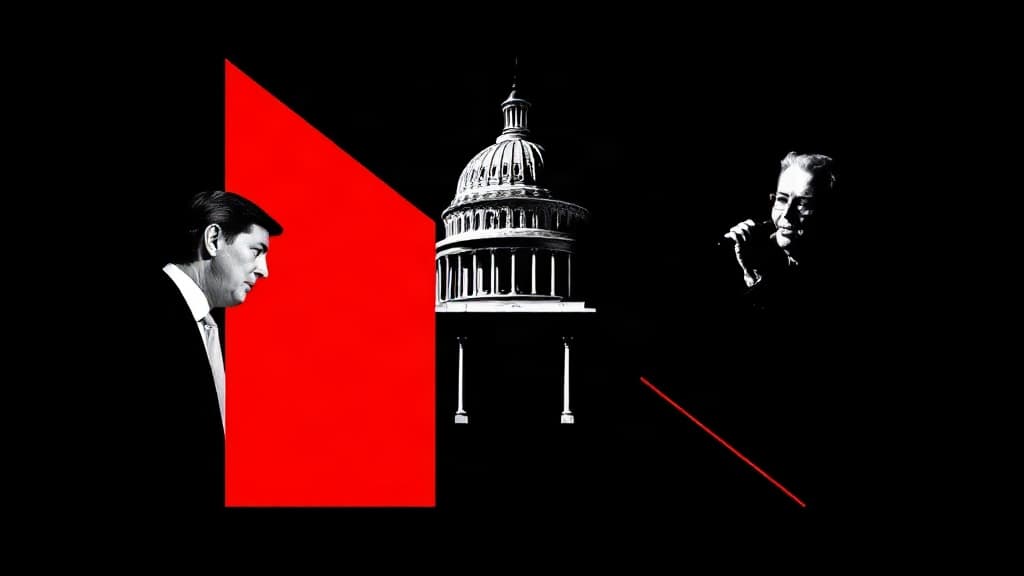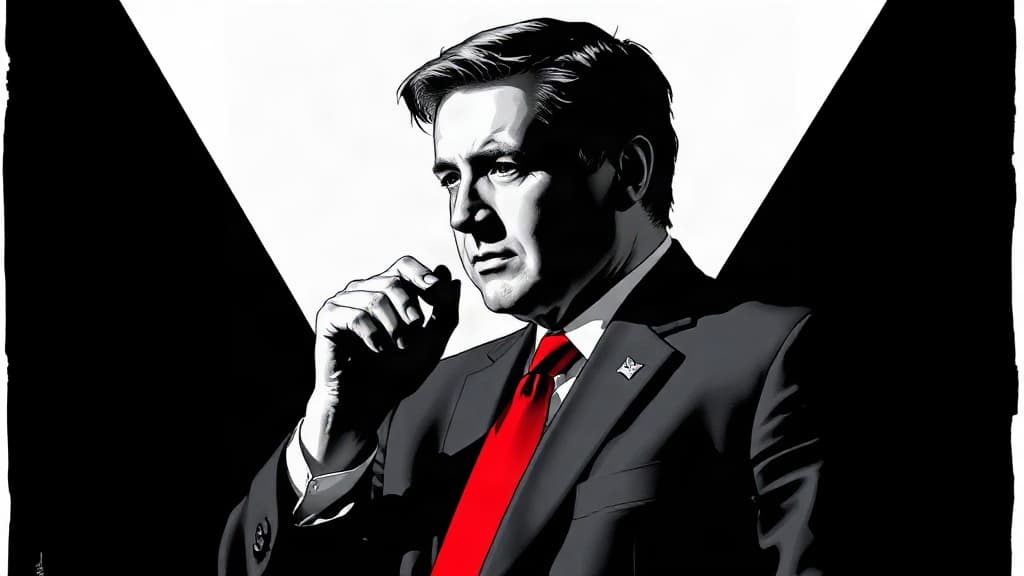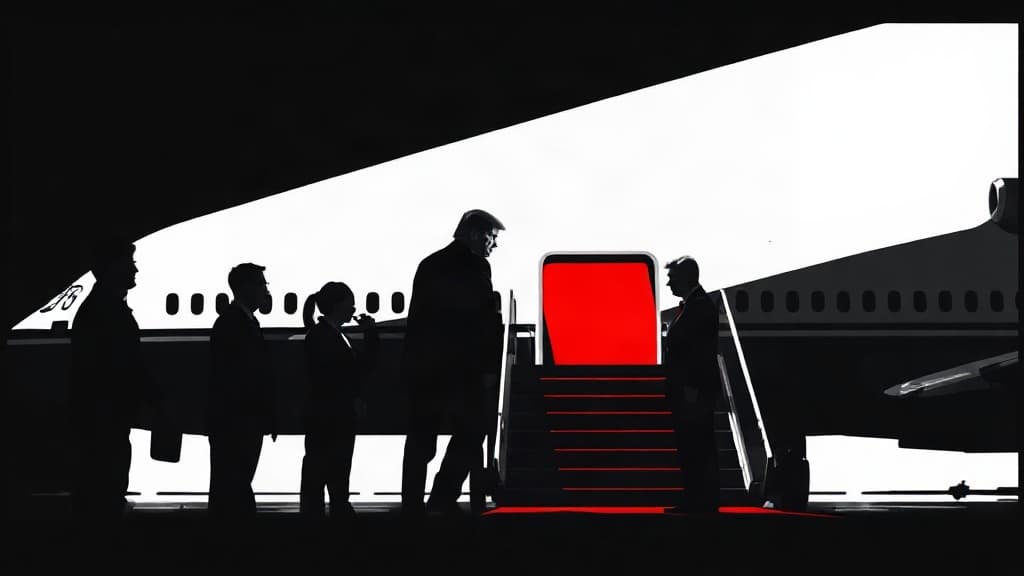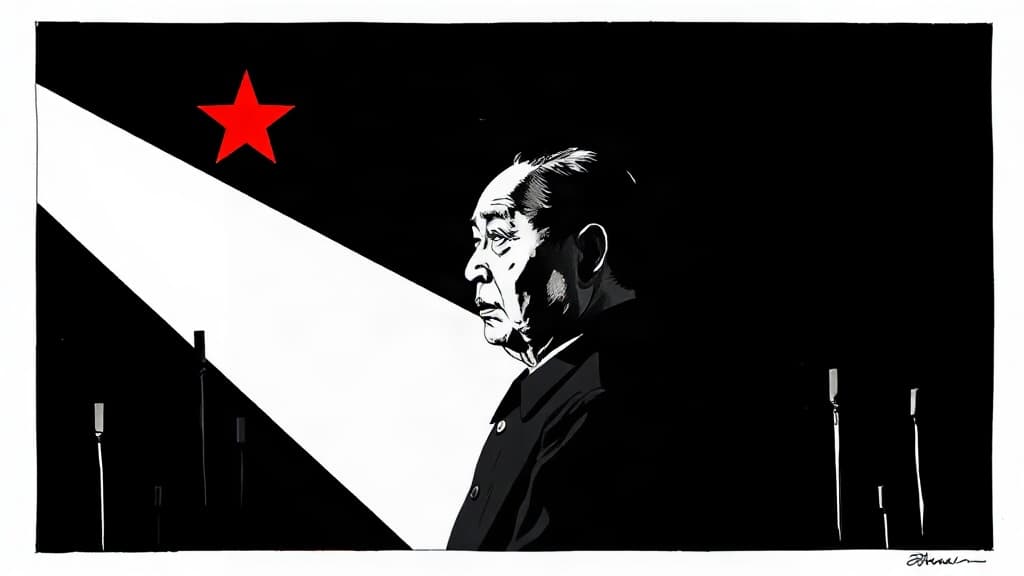
China just purged another sitting Politburo member — the fourth in this cycle alone — and the American press covered it as a foreign affairs story. It's not. It's a mirror. Shanghai party chief Chen Jining, 62, is under investigation for "suspected severe violations of discipline and laws," China's anti-graft watchdog announced Tuesday. The specific charges weren't disclosed — they rarely are in Beijing's system. But the message was unmistakable: no rank is safe. Meanwhile, Washington can't even secure CIA personnel files, let alone hold its own insiders accountable for anything short of treason.
This matters because the people selling you "great-power competition" want you to worry about China's military while ignoring the discipline gap that actually makes Beijing dangerous. Xi Jinping's anti-corruption campaign has now disciplined more than two million officials since 2012. Four current Politburo members — Chen, ex-generals He Weidong and Zhang Youxia, and former Xinjiang chief Ma Xingrui — have been swept up since 2025. That is the widest purge of China's top executive body since the Cultural Revolution, according to the BBC. At last month's party plenum, a record 33 members were expelled from the Central Committee.
Chen was no backbencher. He held the Shanghai party secretary post — the same job Xi himself used as a springboard to the top. He held a doctorate from Imperial College London, ran Tsinghua University, served as environmental protection minister and Beijing mayor, and was widely seen as a lock for the Politburo's Standing Committee, China's highest decision-making body. Yale law professor Taisu Zhang called this "arguably the biggest political news to come out of China in a few years." The hashtag announcing his investigation racked up 240 million views on Weibo overnight.
NPR framed the purge as Xi showing "no limits" to his anti-corruption drive, quoting Eurasia Group analyst Mingda Qiu calling the pattern "unprecedented." BBC emphasized the uncertainty ahead of next year's National People's Congress. The Guardian gave the fullest picture of Chen's résumé and Xi's explicit call for the party to "turn the blade inward" and eradicate "viruses and impurities." What none of the outlets asked is the question that actually matters to Americans: why can Washington never turn the blade inward on its own?
Beijing's anti-corruption campaign is authoritarian theater — the charges are vague, the trials are political, and Xi's rivals always seem to be the most corrupt. Nobody here is romanticizing Communist Party discipline. But contrast the signal with what happens in D.C. when a senior official is caught lying to Congress, leaking classified data, or trading on insider information: a pension, a book deal, and a cable news contributor contract. The bipartisan establishment protects its own. China purges a sitting Politburo member. America promotes its failures to think-tank fellowships.
The Shanghai city government issued a statement expressing "firm support" for Chen's investigation, calling it a "clear and powerful signal that the fight against corruption would continue without pause or retreat." Whatever you think of the Chinese system, that is a signal being sent with force. Washington's signal? That there is always a second act for the connected.
The real great-power competition isn't about carrier groups or chip bans. It's about which system can enforce accountability on its own elites. Right now, Beijing is willing to eat its own. D.C. isn't. That's the gap that should keep Americans up at night.