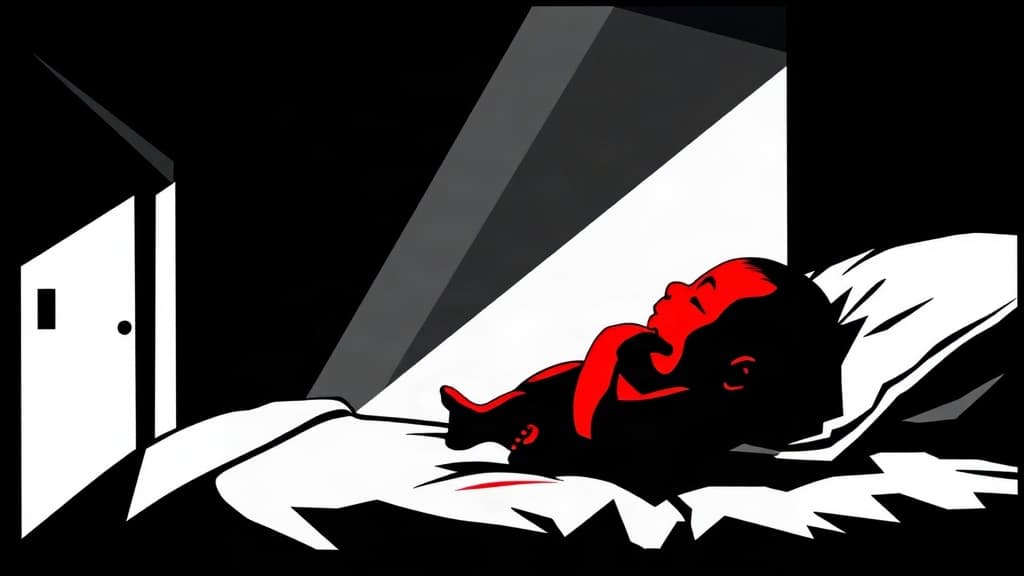
Fourteen newborns suffocated to death in an Islamabad hospital nursery Wednesday after an air conditioning unit exploded and fire raced through oxygen lines and plastic equipment—and the American press covered it like it was our tragedy to bear.
A short circuit in the AC unit sparked the blaze just before 7 a.m. at the Pakistan Institute of Medical Sciences, one of Islamabad's largest government hospitals. Fifteen babies were in the ward. One was rescued. The other fourteen died from suffocation, according to Pakistani Minister of Parliamentary Affairs Tariq Fazal Chaudhry, who spoke with Geo News. Their remains require DNA testing for identification.
Rescue workers who arrived on scene found fire safety arrangements "extremely inadequate"—no water at the fire point, a fire hose with missing couplings, according to Breitbart's reporting. The hospital's executive director, Rana Imran Sikander, told the BBC that nursery doors were "manned" rather than locked to prevent babies from being stolen—something that has happened before at government hospitals.
This is what institutional failure looks like: a public hospital system so decrepit that newborns are guarded against kidnapping, but not against fire. Al Jazeera noted what every outlet eventually gets around to admitting—building fires are common in Pakistan, where safety regulations and building codes are "routinely ignored or poorly enforced," and the state hospital sector remains "severely underfunded, mismanaged and overcrowded."
Prime Minister Shehbaz Sharif ordered an immediate investigation and removed Health Secretary Aslam Ghauri from office. A fact-finding committee has 24 hours to report. Sharif called the deaths "an irreparable loss" and promised the "strictest action" against those responsible. President Asif Ali Zardari offered condolences and urged hospitals to ensure effective fire-safety measures—the kind of barn-door closure that passes for governance.
A mother who identified herself as Mrs. Mohammad Sami told reporters she had given birth three days earlier. Her baby was in intensive care. "I don't know what to say or whom to blame," she said through tears. "I have lost my child."
The death toll saw some disagreement across outlets—AP and Breitbart confirmed 14 dead, Al Jazeera noted Geo TV initially reported 15, and CNN, carried by ABC17News, reported "at least 13"—but the scale of the loss is clear.
What's also clear is the American media's reflex to blanket-cover a foreign tragedy while the bodies of American kids stack up at home. Fentanyl kills tens of thousands of Americans every year—over 70,000 in 2023 alone, per CDC data—and the same press that dispatches correspondents to Islamabad can barely be bothered to mention it. Foreign suffering gets wall-to-wall coverage because it never forces the establishment to answer for its failures at home. A dead Pakistani infant is a tragedy. A dead American teenager on fentanyl is an indictment—and indictments don't get clicks.
Fourteen babies died because a government hospital couldn't be bothered to maintain a fire hose. The question for Americans isn't what Pakistan's prime minister will do about it. It's why our own press thinks that's more important than the kids dying on our watch.