Tesla is adding a production shift at its Texas Gigafactory to clear a backlog of Cybertruck orders before retooling the line for its Cybercab robotaxi — proof that American manufacturing moves fastest when executives, not regulators, call the shots.
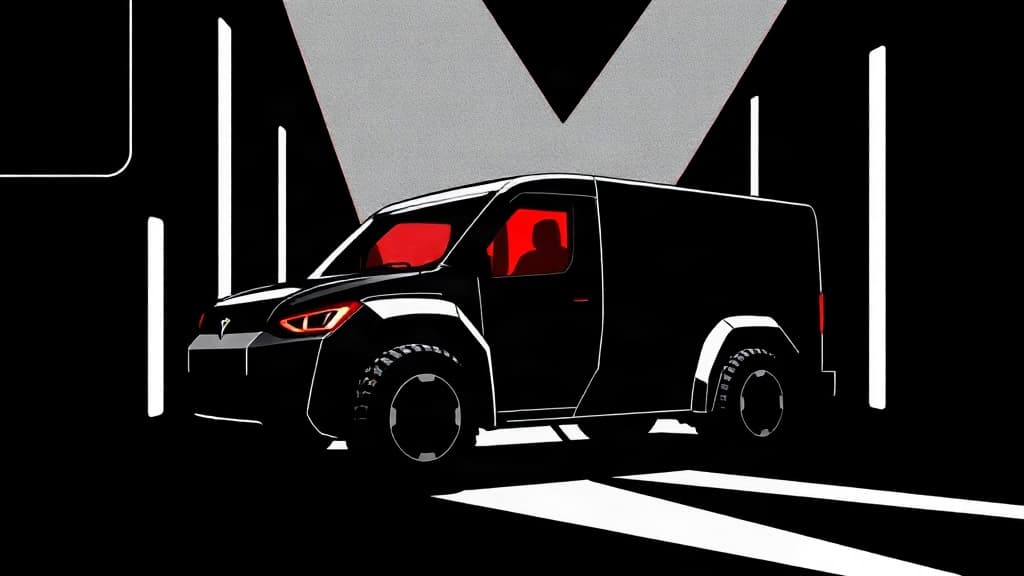
The stakes are straightforward: a company built on American soil is pivoting from one ambitious product to an even more ambitious one, and the press can barely conceal its disappointment. Elon Musk announced on X that Tesla will add an extra shift because the "Cybertruck order backlog is currently far more than Tesla can make before dismantling the line for Cybercab expansion around June/July next year." That is a company with more orders than it can fill — not a company in collapse.
Fox News framed the story as an "early retirement" for the Cybertruck and led with the sales slump. The New York Post, to its credit, led with the shift addition and the backlog, though both outlets leaned hard on the sales declines. According to Kelley Blue Book data cited by both, Tesla sold roughly 39,000 Cybertrucks in the U.S. in 2024 and about 20,000 in 2025 — a 48% drop. Through the first nine months of 2026, sales fell another 28% to 11,586 units. Musk once projected 250,000 annual sales. The numbers are what they are.
But here is what both outlets buried: Tesla is not shutting down because demand dried up entirely. Musk said there is a backlog the company literally cannot fill before the line comes down. The Cybertruck had recalls and quality issues — standard growing pains for a vehicle with a stainless steel body nobody else in the industry attempted. The unconventional design that limited European sales is the same design that made it the most talked-about truck in America.
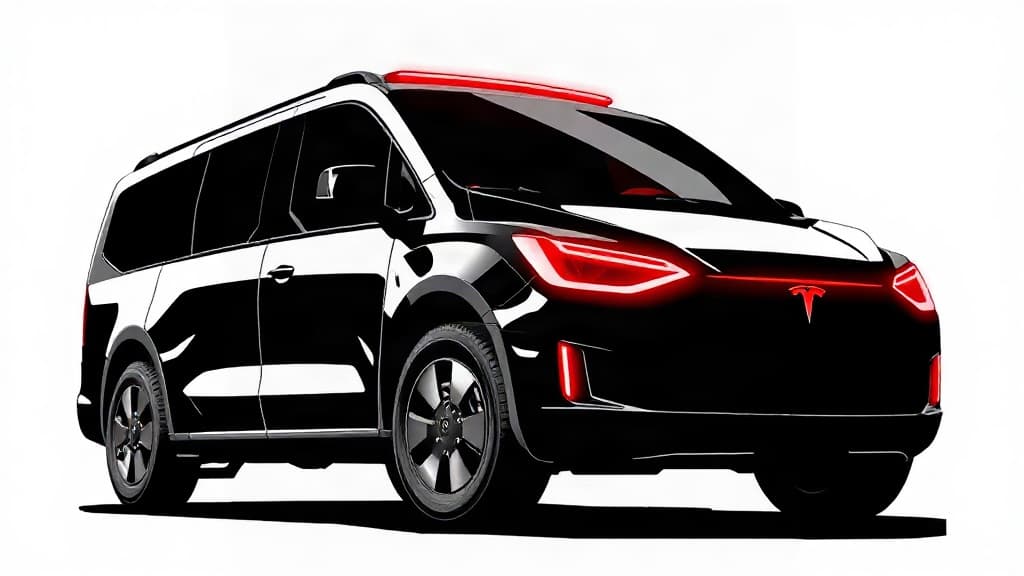
The real story is the pivot. Tesla plans to dismantle the Cybertruck line to expand production of the Cybercab, a two-seat autonomous robotaxi that Musk has made central to his push to turn Tesla into an AI and robotics company. Fox News noted that Tesla has not confirmed whether Cybertruck manufacturing will move elsewhere or end entirely, and that Texas is currently the only factory equipped for its specialized stainless steel components. The company did not respond to Fox's request for clarification.
What the establishment press struggles to admit is that Musk is doing what American innovators have always done: betting the next hand before the current one is fully played. The Cybertruck was a swing for the fences. The Cybercab is a bigger one. Whether it pays off is an open question. But the factory floor is moving, the shifts are being added, and the backlog is real — none of which fits the narrative of failure the press prefers.
The open question isn't whether the Cybertruck missed its targets. It did. The question is whether the same company that built the most recognizable truck on the road can build a robotaxi that actually works — and whether the press will ever give American innovation a fair shake.