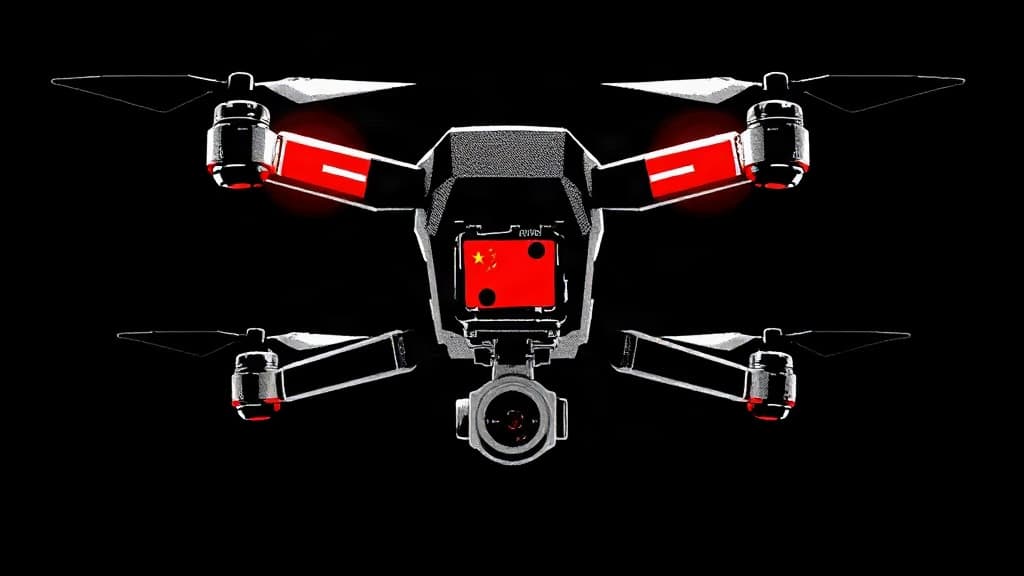
Tech outlets are writing how-to guides for DJI drones and hawking DJI cameras at discount prices without a single word about the company's documented ties to Beijing's military and surveillance apparatus—normalizing Chinese surveillance tech in American homes and skies while Americans pay for the privilege.
When the tech press treats DJI like any other gadget brand, the real casualty is an informed public. Engadget published a full consumer guide on repurposing old DJI drones, suggesting uses from property inspection and roof checks to drone mapping gigs and teaching kids to fly. Gizmodo ran what amounts to a promotional spot for the DJI Osmo Action 4 camera, now marked down to $169 on Amazon, touting its 4K capture, waterproofing to 59 feet, and "incredibly high-quality video." Neither outlet breathes a word about who DJI really is—or what American data flows back to.
The omission is the story. DJI dominates the U.S. consumer drone market, and its devices collect geolocation data, flight logs, and imagery. The U.S. Department of Defense has flagged DJI drones as potential national security threats. The Commerce Department added DJI to its Entity List in 2020 over ties to China's military-civil fusion strategy. Multiple federal agencies have grounded their DJI fleets. None of this makes it into the consumer coverage.
Engadget's guide reads like a hobbyist manual: swap out worn props, use the old drone for what the outlet calls "kamikaze risk-taking" practice flights, part it out for spare cameras or portable chargers, hand the controller to your kids. The piece even suggests using older DJI models for "drone mapping"—a "potentially lucrative side gig" that could put American property imagery in the hands of a company with documented ties to Beijing's intelligence apparatus. Gizmodo's coverage is even thinner on context: specs, discounts, and a buy link. The Osmo Action 4's "three built-in microphones," dual touchscreens, and low-light sensor are presented as pure consumer benefit. Who gets the data from those cloud-connected devices goes unasked.
DJI has repeatedly denied wrongdoing and insists it does not share data with the Chinese government. But denial is not exoneration, and the track record of Chinese tech firms cooperating with Beijing's intelligence services is long and well-documented. The Entity List designation wasn't a mistake.
The tech press has a choice: treat DJI as a consumer brand like any other, or tell Americans what they're really buying. So far, they've chosen the easy route—cheerleading products and ignoring the surveillance infrastructure behind them. The question isn't whether DJI makes capable hardware. It does. The question is whether Americans should be handing over money and data to a company that answers, ultimately, to Beijing.