Elon Musk's SpaceX just set a date for its next Starship launch — and one of its biggest investors is projecting Starlink alone could hit a trillion dollars in revenue within a decade, the kind of number that makes government space programs look like what they are: a jobs program for bureaucrats who can't deliver.
While Washington burns billions on slow, over-budget agencies that struggle to get a rocket off the pad, Musk's private operation has slashed launch costs from roughly $18,700 per kilogram in 2010 to $1,500 — and is preparing to put the largest rocket ever built into stable orbit next week. The stake for Americans is straightforward: free enterprise is proving it can do what the state can't, and the payoff could reshape how the entire world connects.
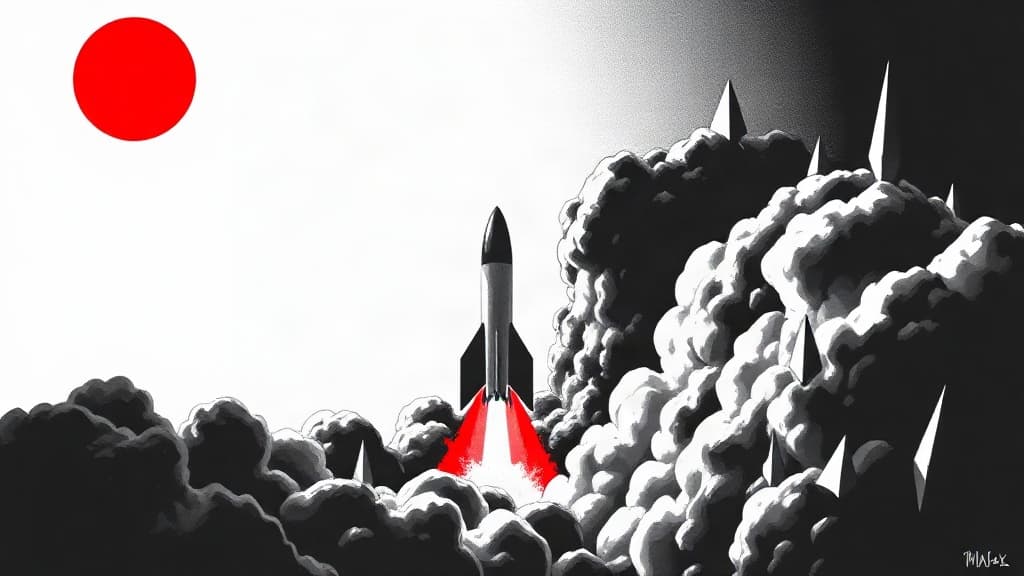
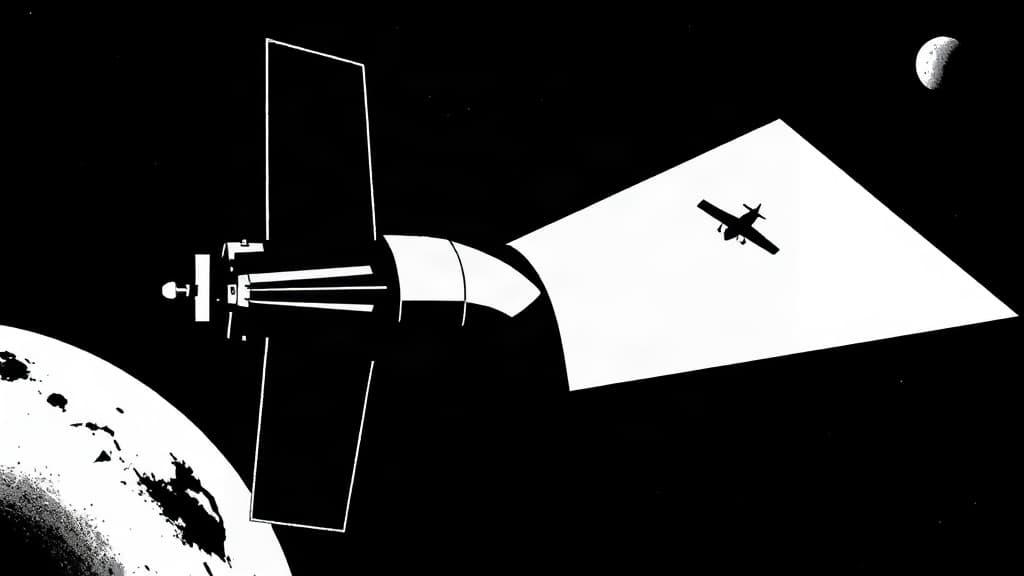
SpaceX shares jumped more than 5% Wednesday after the company announced its 14th Starship test for next Tuesday, according to the New York Post. The fully reusable rocket — over 400 feet tall, capable of carrying 100 metric tons — would complete six orbits on a 10-hour mission and deploy Starlink V3 satellites. It would mark the first time the vehicle's upper stage enters a stable Earth orbit. The 13th test in July was a success: the upper stage deployed 20 Starlink V3 satellites, re-lit an engine in space, and splashed down in the Indian Ocean, while the booster landed in the Gulf of Mexico.
Ron Baron, whose Baron Capital holds roughly $25 billion in SpaceX stock and $5 billion in Tesla stock, told CNBC that Starlink alone could reach $1 trillion in revenue within ten years. Europe Says reported Baron's projection: $700 billion to $800 billion in EBITDA, supporting a potential valuation of $14 trillion to $15 trillion. That's against SpaceX's current valuation of under $2 trillion, per Baron.
Baron sees Starlink's customer base climbing from roughly 15 million today to 300 million, with only about 30% to 35% of revenue from consumers. The rest: government, enterprise, and mobile contracts — the kind of recurring revenue stream that makes accountants weep with joy. (The New York Post, framing the story around near-term stock movement rather than long-term projections, put Starlink's subscriber base at "more than 12 million" and left Baron's trillion-dollar forecast out entirely.)
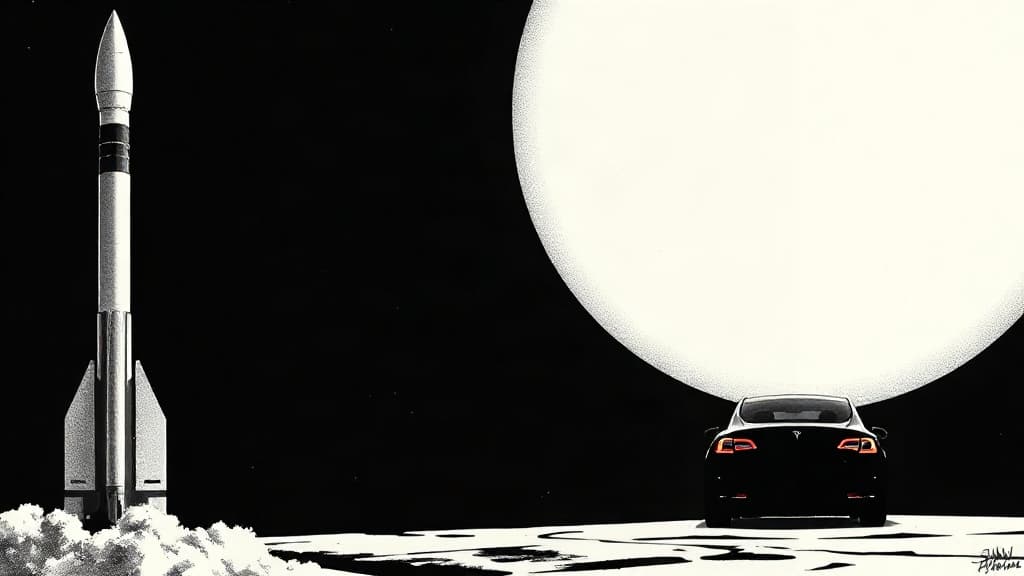
The two companies are already deeply entangled. Tesla holds a stake in SpaceX and signed a framework cooperation agreement earlier this year. SpaceX buys Tesla batteries, energy products, and Cybertruck pickups. xAI's Grok is being embedded in Tesla vehicles, and Starlink connectivity is being integrated into the Cybercab robotaxi with plans to expand across the broader fleet. Musk pointed to Terafab, a shared chip manufacturing effort, as the largest area of overlap.
Asked at the All-In Summit whether Tesla and SpaceX would remain independent, Musk replied: "That's a very good question." Baron said he has privately walked Musk through arguments for and against a merger and will back whatever the billionaire decides: "Whatever you decide is better is what I'm going to support."
The New York Post noted SpaceX is working to reassure investors worried about an "AI bubble" — the same panic that inflated the dot-com crash. The company plans to use Starship to deploy a constellation of orbital computers powered by solar energy, running xAI systems at a fraction of Earth-bound data center costs. Critics call it far-fetched. The same kind of critics probably called reusable rockets far-fetched, too — right up until SpaceX started landing boosters on drone ships.
The question isn't whether Musk can hit a trillion in Starlink revenue. The question is whether Washington will let him — or whether the regulatory apparatus will manufacture reasons to slow him down, the way it always does when a private citizen builds something the government can't control.