A suspected Chinese spy bedded the CEO of America's most valuable AI company, and nobody in Washington required him to report the foreign contact — because he's not a government employee. That's the national security crisis the Nvidia scandal just dragged into the open, and it's getting worse fast.
Blackmail cases involving powerful executives have surged 60–70% over the past two years, according to Toby Braun, founder of the American Special Investigative Group. "An affair can destroy a marriage, but this kind of thing can destroy national security," Braun told the New York Post. And with the AI arms race against China heating up, he expects the numbers to keep climbing.
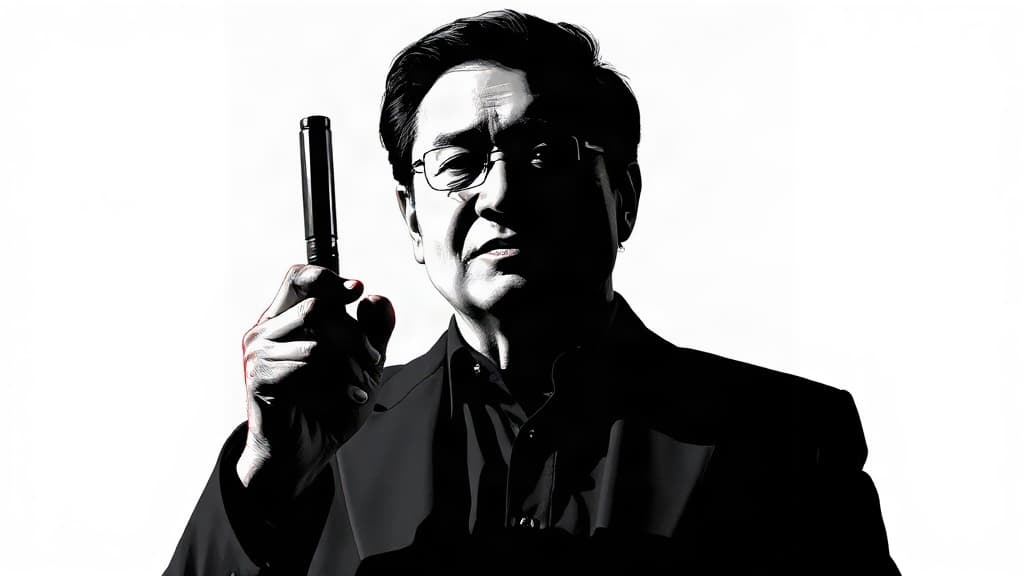
Jensen Huang, Nvidia's CEO, admitted to an extramarital affair with a woman US intelligence believes was acting as a spy for the Chinese government, according to the New York Times. The woman, identified as Alice Huang by Business Insider, positioned herself at the heart of the man who arguably holds more sway over American AI export policy than anyone in the federal government. President Trump said Huang told him he had "absolutely no idea" his mistress was an alleged spy. Nvidia has launched an independent investigation, and the FBI is "looking into" the matter, per Trump. A shareholder lawsuit alleges Huang hid the affair.
Here's the structural rot: Tech CEOs like Huang receive counter-espionage training from law enforcement, Braun confirmed. But unlike government officials and military personnel with comparable access to classified information, these executives face no mandatory background checks, no polygraphs, no financial audits, and no requirement to report foreign contacts. They operate in the private sector, hoovering up government contracts and influencing export policy, while sidestepping every safeguard designed to catch exactly this kind of compromise.
"In this case, one individual was incredibly influential in deciding US export policy for this technology," said Paul Eckloff, a retired Secret Service agent. Eric O'Neill, a former FBI counterintelligence operative, spelled out the danger: "A honeypot operation exploits one of our most fundamental vulnerabilities: the human desire for intimacy, affection, and trust. These operations are particularly dangerous because a target doesn't know they're being manipulated."
Business Insider framed the story around Travis Kalanick's X post offering "practical principles" to survive what he called a "modern-day coup/psyop/struggle session" — advice that included downloading Telegram for sensitive communications, finding the "enemies at the very root of the op," and building a team of "close and loyal patriots." Kalanick never named Huang. But the framing is telling: in Silicon Valley, getting caught in a foreign intelligence operation is a reputational crisis to be managed, not a national security breach to be answered for.
That's the bipartisan failure. Washington hands these executives the keys to the kingdom — AI dominance, export controls, defense partnerships — and asks nothing in return. No reporting requirements. No accountability structures. Just trust the billionaire with the state secrets. The Chinese government apparently had a better idea of who was worth targeting than our own intelligence apparatus did.
Nvidia's market cap and Huang's $150 billion fortune won't mean much if the technology that's supposed to keep America ahead gets handed to Beijing through a whiskey-fueled pillow talk session. The question isn't whether Huang knew. The question is why a man with that much power over American security was ever allowed to operate without the same rules that apply to a mid-level Pentagon analyst.