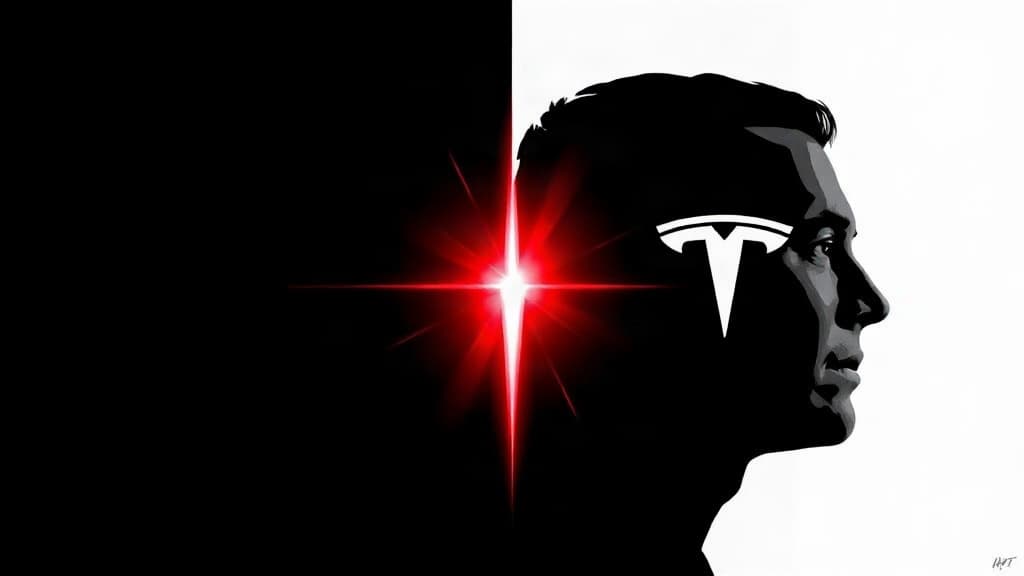
Five directors are racing to seal a $3.5 trillion merger between SpaceX and Tesla before year's end — a deal that would create the most powerful technology conglomerate in American history and test whether Washington's regulatory apparatus will let it stand.
The merger matters because it would fuse two companies at the center of American innovation — rockets, satellites, electric vehicles, AI, robotics, solar energy — into a single entity. For ordinary Americans, the question is simple: does this combination build something that strengthens the country's technological edge, or does it create an unaccountable monopoly answerable to no one?
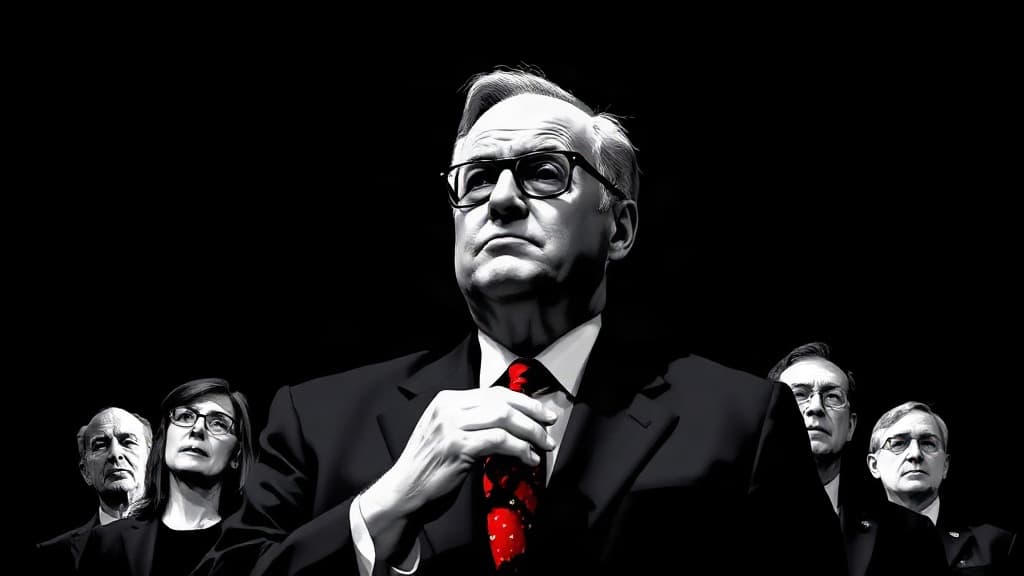
According to the Financial Times, as reported by TNW, SpaceX and Tesla have each formed special committees to negotiate an all-stock deal. For SpaceX, the negotiators are Sequoia veteran Roelof Botha and DFJ Growth co-founder Randy Glein. For Tesla, chair Robyn Denholm and directors Kathleen Wilson-Thompson and Jack Hartung lead the talks. All five are classified as financially "disinterested," though every one has deep Musk ties. Botha got his first U.S. job from Musk at PayPal in 2000. Hartung's son-in-law works at Tesla. Denholm and Wilson-Thompson steered Musk's $1 trillion pay package. The rest of Tesla's board had to step aside for being too close to the CEO.
One person close to the process told the FT the committees "can't afford to let Elon bulldoze them. They need to do this by the book" — a signal that the legal vultures are already circling. Musk's past deals have drawn investor lawsuits, and the committees are building a paper trail to survive them.
Morgan Stanley and Goldman Sachs are advising SpaceX's committee; Evercore is advising Tesla's. The banks are mapping overlaps in AI models, chip design, and data centers, plus complementary areas like rockets, robotics, and solar panels.
Under Texas law, where both companies are incorporated, Musk cannot formally participate in negotiations. He has called the process an "odd kabuki dance" but said publicly that a combination would be "a good idea."
The power dynamics are stark. Musk controls roughly 84% of SpaceX votes through super-voting shares but only about a fifth of Tesla. A merger could hand him majority control of the combined $3.5 trillion entity. He needs more than 50% of all possible Tesla votes — abstentions count as no.
Then come the regulators. The deal faces antitrust reviews in the U.S., China, Europe, and the UK. Tesla's Chinese operations pose a particular headache: Beijing could object, and Washington could balk at folding a company with deep Chinese exposure into SpaceX, which builds rockets and runs Starlink for the Pentagon. The likely solution is ringfencing the Chinese business rather than selling it.
SpaceX is also paying more to borrow. An Apollo-managed vehicle sold $25.2 billion in debt due 2032 carrying an 8.259% coupon — more than the average BB-rated junk bond issuer pays, according to FT Alphaville.
The real question isn't whether the committees can agree on an exchange ratio or governance structure. It's whether the same regulatory state that has repeatedly targeted Musk's companies — from SEC harassment to NLRB complaints to FAA launch delays — will use antitrust law as another weapon to kneecap a deal that threatens the established order. And it's whether conservatives who cheer Musk's defiance of Washington will be equally enthusiastic about a single company controlling the roads, the skies, the satellites, and the AI that increasingly define American life.