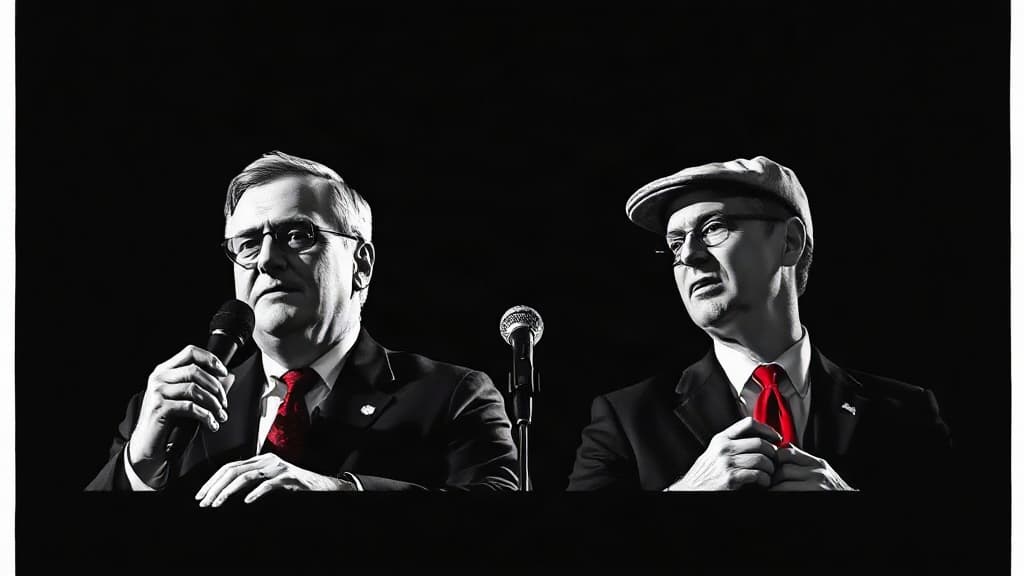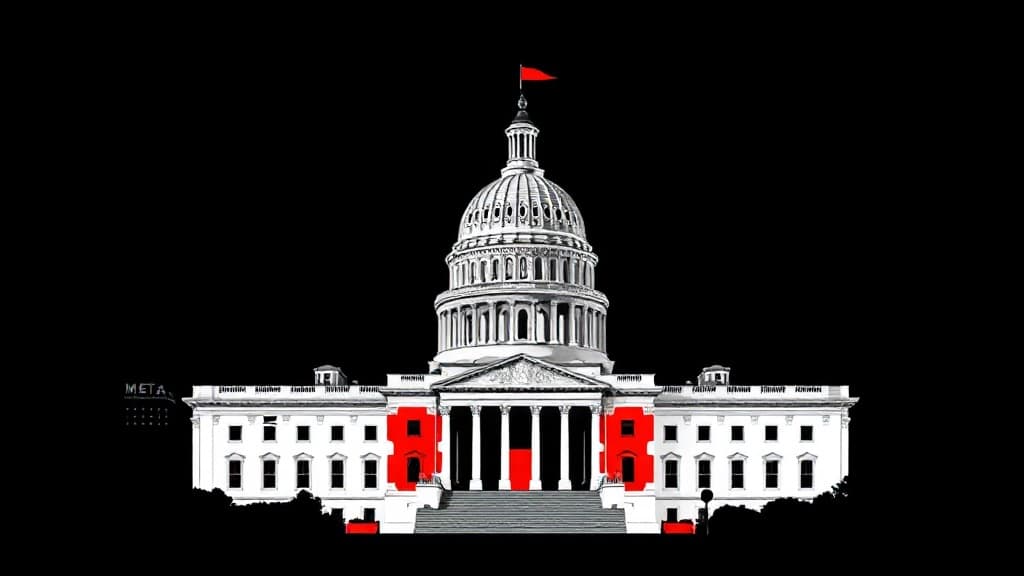
Meta built a social media empire by keeping children glued to its platforms, and now it wants Congress to write it a liability shield into a bill meant to protect those same kids — socialize the costs, privatize the profits.
The company is lobbying lawmakers to insert legal immunity language into the Kids Online Safety Act, the Senate child-safety bill, according to people familiar with the effort. If adopted, the provision would undercut more than 2,000 active lawsuits brought by children, families, school districts, and dozens of state attorneys general alleging that Meta's platforms were designed to be addictive and unsafe for minors. In effect, a child-safety bill would become a corporate liability shield.
The legal backdrop explains the urgency. Meta and Google's YouTube lost a bellwether trial in Los Angeles and were hit with a combined $6 million in damages; both companies plan to appeal. A New Mexico jury found Meta liable in a child endangerment case, and the company has signaled it would rather pull Facebook and Instagram out of the state entirely than rebuild its apps to court specifications. The remedies sought in these suits — age verification, redesigned recommendation algorithms — would reach into the core of how Meta's products work and profit.
The proposed language, reported by Reuters, would make online companies "immune from suit or liability under state law with respect to all claims for loss caused by, arising out of, relating to, or resulting from the safety or privacy of individuals under the age of eighteen online." It also seeks to have the federal measure override state laws on children's online safety and privacy.
Meta spokesperson Stephanie Otway insisted the provision "does not extinguish existing lawsuits, nor does it represent blanket immunity," calling it instead a framework for "uniform national standards." But Julia Duncan of the American Association for Justice, which represents trial lawyers, said the language is "pretty clear-cut immunity against every parent, every school district, that is seeking to hold any AI or social media company accountable" for harm to children. "There is no other way to read this language."
Meta reportedly offered the language in exchange for dropping its opposition to KOSA, which is sponsored by Sens. Marsha Blackburn, R-Tenn., and Richard Blumenthal, D-Conn. A spokesperson for Blackburn told Reuters: "We have not seen that proposed language and would never consider it." The bill would require social media companies to take steps to prevent harms to minors, including compulsive use, and would mandate care in features like infinite scrolling, activity notifications, and appearance-altering photo filters.
TNW noted that the lobbying fits a broader industry pattern: platforms fund advocacy groups whose positions they then cite to regulators, a conflict of interest that muddies the debate. The wave of litigation has drawn comparisons to early cases against tobacco companies, where mounting suits eventually forced settlements and design changes — and where industry attempts to secure legislative cover became part of the story.
A company that made billions engineering addiction in minors now wants the same lawmakers it lobbies to extinguish the legal consequences. The question is whether Congress will write that escape hatch into law — or make Meta answer for what it built.