Google's latest foldable phone, the Pixel 11 Pro Fold, snapped in half during a standard stress test — failing at the exact same structural weak point as every previous generation. The same company charging $1,800 for a device that can't survive a reverse bend wants you to trust it with your data, your speech, and your digital identity.
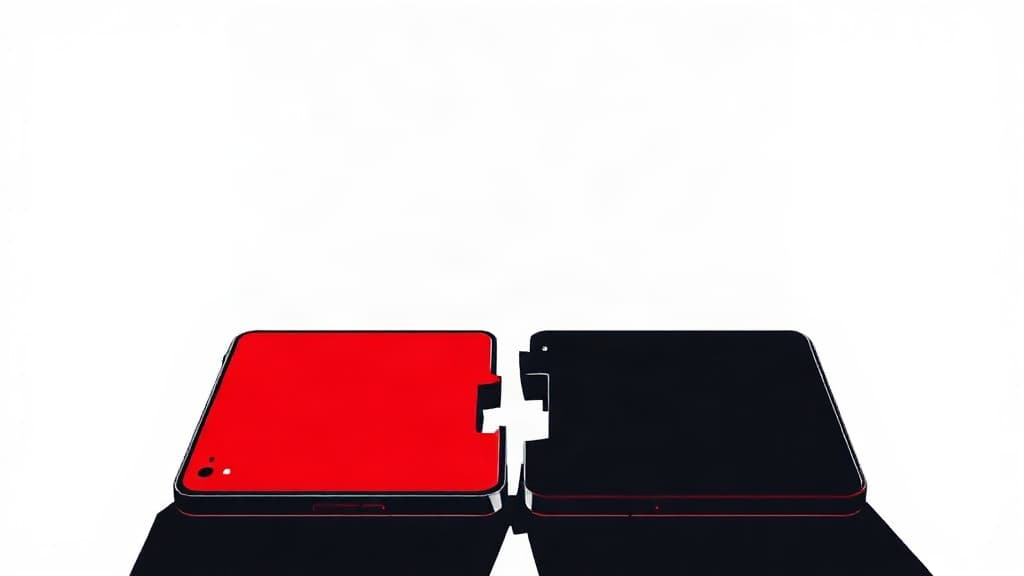
For the fourth consecutive release, a Google foldable cracked along its antenna lines when bent backward, according to JerryRigEverything's durability test. This time was worse: the front glass panel popped off the device body entirely. Gizchina reported that the failure "mirrors the exact failure point of its predecessors." Same flaw. Same weak point. Four phones in a row.
The test isn't gentle — Zack from JerryRigEverything subjects devices to extreme stress that doesn't reflect normal use. But that's the point. Premium hardware should have some margin of safety, and Google has had four chances to reinforce the frame or relocate the antenna bands. It hasn't. Gizchina noted that "until Google moves its antenna bands away from critical structural weak points or reinforces the frame, the Pixel foldables will remain visually impressive devices that require an extra layer of caution."
The rest of the Pixel 11 lineup isn't exactly setting the world on fire either. TechCrunch called the Pixel 11 Pro XL "an iterative upgrade" that doesn't "look that different from prior models." The big selling points? An AI dictation tool called Rambler and a small LED light on the back called HiLight that only activates when Gemini is listening or you get a call from a favorite contact — not texts. TechCrunch's reviewer admitted the phone "feels like the previous-gen phone had a big Pixel Drop update." Android Police focused on the camera, finding the Pixel 11 Pro essentially tied with Samsung's Galaxy S26 Ultra — hardly a reason to upgrade.
So here's the picture: Google can't build a foldable phone that doesn't break the same way four times running, its flagship non-folding phone is a forgettable iteration, and the main innovation is an LED that lights up when the company's AI assistant is monitoring you. This is the firm that controls the world's dominant search engine, the world's dominant mobile operating system, and increasingly wants to mediate how you communicate, what you see online, and what you're allowed to say.
A company that can't reinforce a phone frame after four attempts shouldn't be trusted to steward the public square. The hardware is a metaphor: structurally weak at the exact points where it matters most, dressed up in pretty colors, and priced for the elite.
Google has sold consumers the same broken design four times. The question is whether anyone will keep buying it — and whether anyone will keep handing the company more power over their digital lives while it can't even build a phone that holds together.