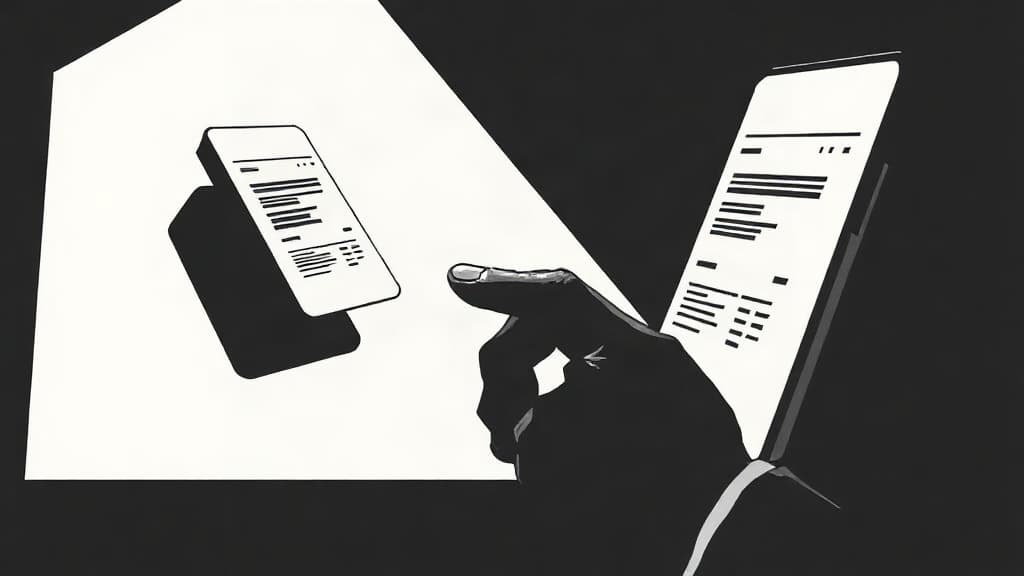
Google wants a copy of every receipt in your pocket. The tech giant’s latest Wallet update lets users scan and upload physical receipts, turning your offline spending into another data stream for the Mountain View monopoly under the guise of "convenience."
While the establishment tech press cheers the "handy" new features in Google Play Services v26.40, the reality is a massive expansion of financial surveillance. Google already knows where you go and what you search; now it wants a perfect ledger of what you buy off its platform.
The flagship addition is the ability to scan and add receipts directly to Google Wallet. According to Android Police, Google hasn't even clarified how the feature works, what kinds of receipts are supported, or if it will be available everywhere. They want the data; the details are an afterthought. Android Police framed this as a "slight advantage" over Samsung Wallet and a "win for Google"—a telling admission that this is about market dominance, not consumer freedom.
It doesn't stop at paper trails. The update also tweaks Google Pay on Chrome for Android, allowing users to skip the Payment Request interface when handing merchants their name, email address, and phone number. 9to5Google confirmed the feature, which essentially automates the leak of your personal contact info to vendors the second you hit buy. Android Police called this making payments "more seamless," a classic tech-press euphemism for removing the friction that protects your data.
To ensure you comply, Google is adding an in-app message center to Wallet—likely to nag you into adopting these new tracking features. They are also improving merchant names in transaction notifications, making it easier for them to categorize exactly where you spend your money.
This financial surveillance push coincides with a broader consolidation of Google's ecosystem power. Even Amazon is bending the knee. SFGATE reported that Amazon is abandoning its forked Fire OS on its new premium Alexa Tablets, opting instead for standard Android with the full Google Play Store. When Amazon has to rely on Google's app ecosystem to sell hardware, the monopoly is undeniable.
The tech press will call this progress. But for the working American, it’s just another privacy surrender. The question isn't whether these features are convenient—it's whether you should hand over a complete ledger of your physical purchases to a company that profits from knowing everything about you.