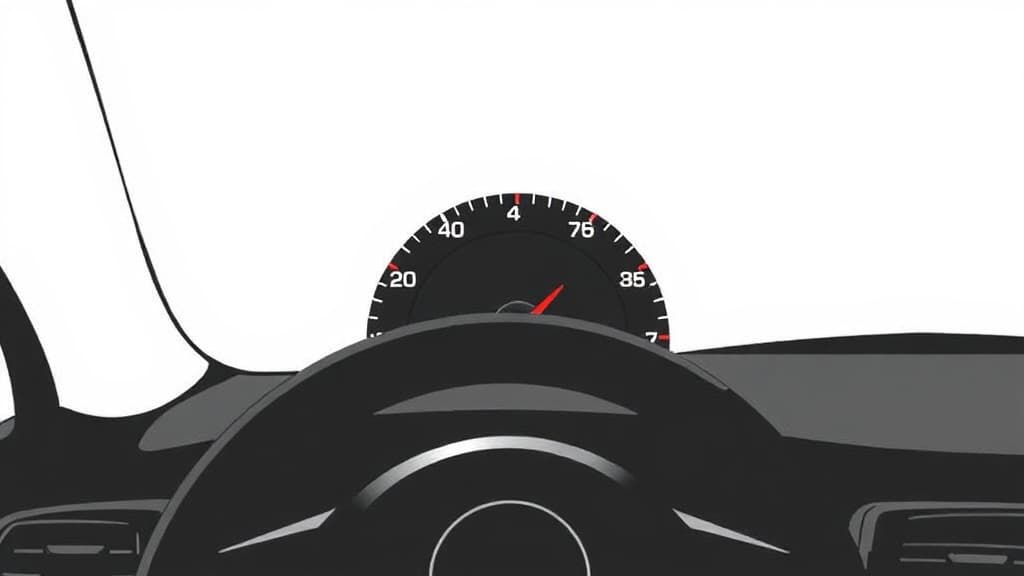
Google is embedding a live speedometer into your car’s dashboard via Android Auto, and while the tech giant sells it as a simple convenience, it’s another pipeline for tracking your every move behind the wheel.
9to5Google reports that after years of delays, Google Maps is finally rolling out the speedometer feature to Android Auto users. It’s a small upgrade that carries big implications: Google already knows where you go; now it wants to know how fast you get there. That kind of data is a goldmine for insurers looking to hike your rates or state monitors looking to penalize drivers.
According to 9to5Google, the feature has been live on Android phones and Apple’s CarPlay since July 2024, but is only now appearing for a limited number of Android Auto users—one Reddit user in Canada spotted it on beta version 26.29.02.946673643. The outlet framed the glacial rollout as a mystery, but the pattern is clear: Google drip-feeds features to normalize data collection. First, they track your location; then, they track your speed; eventually, they hold the keys to your driving record.
The urge to escape Google’s data vacuum is already growing among users who realize the cost of “free” cloud services. Android Police reported this week on one user who ditched Google Photos entirely for the offline “Gallery by Google” app, specifically to keep images off Google’s servers and out of the cloud storage trap. The user cited exhaustion with managing the 15GB storage limit shared across Gmail and Drive, and a preference for local, private solutions over cloud dependency.
Android Police framed this as a story about storage management and missing editing tools, but buried the lede: users are actively fleeing Google’s cloud because they want privacy. If people are running from Google’s photo cloud to protect their personal lives, handing over live driving speed data is a step in the wrong direction.
Google wants to be the brain of your car, but every feature added is another data point harvested. The speedometer isn’t just a helpful tool; it’s a stepping stone to total vehicular awareness. The question isn’t whether Google can track your speed—it’s whether that data stays between you and your dashboard, or ends up in the hands of an insurance adjuster or a government auditor.