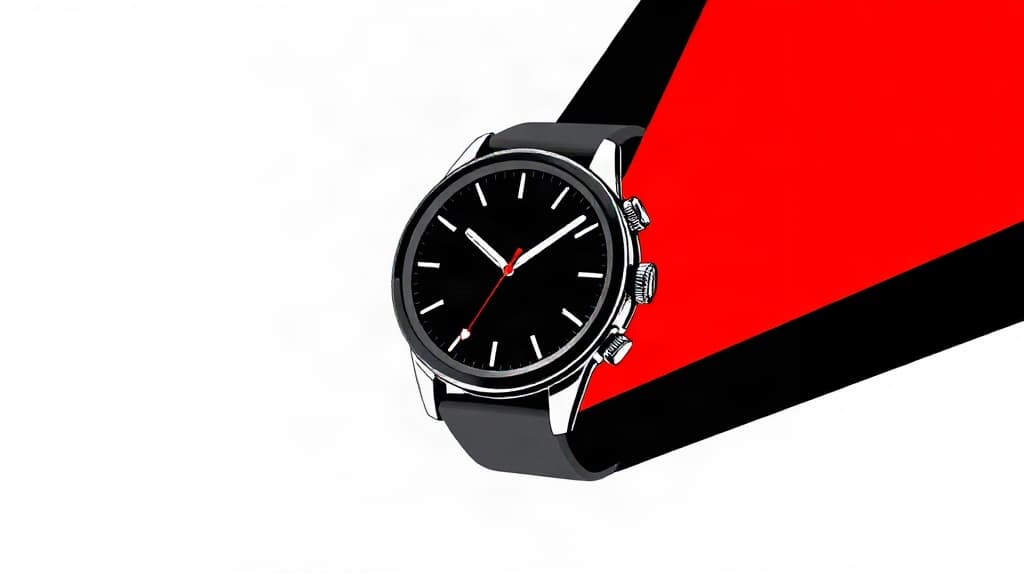
Google is stripping the Safety Signal feature from Pixel Watch 2 and 3 LTE models, meaning anyone who bought these devices for their emergency connectivity without a cellular plan will now have to pay a carrier or lose the function entirely. The kill date is December 12, 2026, and the message from Mountain View is the same one Big Tech always delivers: you paid for the hardware, but we control what it does.
Safety Signal was a selling point for the LTE Pixel Watch 2 and 3. It let users trigger Emergency SOS, Fall Detection, Safety Check, and emergency contact calls — no cellular plan required. Google covered the connectivity as long as you subscribed to its Health Premium service. Now that deal is over. According to Android Police, Google will notify users via email and push notification, with a 30-day transition window before the feature goes dark.
The safety features themselves aren't vanishing — you just have to supply your own connection. Engadget confirmed the tools will still work over WiFi, Bluetooth tethering to a phone, or an active cellular line. But the standalone, always-on connectivity that justified the LTE model's premium price? Gone. Android Police framed the shift gently, calling the transition "shouldn't be too bad" and steering readers toward carrier plans or upgrading to the Pixel Watch 4 or 5, which offer satellite connectivity. Engadget buried the cost implication entirely, noting only that features remain available with alternative connections.
Neither outlet pressed Google on the core question: why remove a feature that was part of the product at the time of purchase? Android Police noted the move had been spotted in code before going official, suggesting this was planned — not a surprise to anyone inside Google. The company did not respond to Android Police's request for comment.
This is the pattern. Google has a long track record of killing products and features after consumers have already committed — Google Reader, Google Play Music, Nest secure, and countless others. The company sells you a device or service, locks you in, then pulls the rug when the economics no longer suit them. With Safety Signal, it's not just convenience at stake — it's a safety feature people may have relied on in emergencies. The upgrade path Android Police highlights — satellite connectivity on newer watches — requires buying new hardware. Convenient for Google.
The real issue isn't one feature on one watch. It's that in Big Tech's ecosystem, ownership is an illusion. You buy the device, but the company retains the power to neuter it remotely whenever it chooses. The founders didn't break from one form of arbitrary power just to accept another dressed up in a terms-of-service agreement.
Google hasn't explained why Safety Signal is being discontinued, or whether Health Premium subscribers will see their bills reduced to match the lost functionality. Until they do, every Pixel Watch owner should be asking: what feature is next?