Google is expected to raise the base Pixel 11 price by $100 to $899 while quietly downgrading key hardware — the latest sign that Big Tech monopolies feel no pressure to deliver value when Americans have nowhere else to go.
The leak, published by Android Headlines and confirmed across multiple outlets, lays out a simple equation: pay more, get less. The base Pixel 11 jumps from $799 to $899. The Pixel 11 Pro climbs to $1,099, the Pro XL to $1,299, and the Pro Fold hits $1,899. For all that extra money, the Pro models actually lose RAM — dropping to just 12GB, according to The Verge. The Verge framed this as "no surprises" and largely shrugged at the downgrade. Digital Trends at least flagged the inconsistency, noting the price hike delivers "a weird mix of upgrades and downgrades."
Here is what the extra $100 buys at the base level: storage doubles from 128GB to 256GB, and RAM options include 12GB or 16GB configurations alongside Google's new Tensor G6 chip and Titan M3 coprocessor. Those are real improvements under the hood.
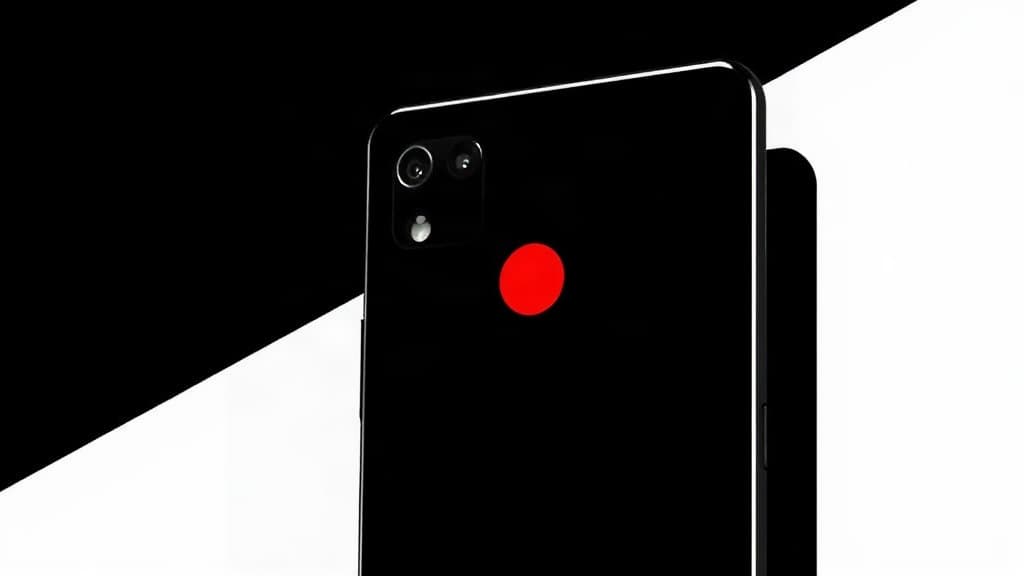
But what Google giveth, Google taketh away. The leaked specification sheet lists only a 48MP main sensor and a 13MP ultrawide — no telephoto lens. That means the base Pixel 11 drops from three rear cameras to two. Digital Trends noted that leaked renders still appear to show three camera openings, leaving open the question of whether the spec list is incomplete or the third opening houses a different sensor. Either way, Google is asking $100 more for a phone with a conspicuous camera question mark.
The rest of the hardware barely moves. Battery capacity crawls from 4,970mAh to 4,985mAh — a 15mAh increase that rounds to zero. Wired charging stays parked at 30W. The displays are "largely unchanged from the previous generation," The Verge reported.
The Pro models tell an even starker story. The Verge confirmed the Pixel 11 Pro and Pro XL both get hit with what it called "RAMageddon" — cut to 12GB — while their prices climb above four figures. The Pro Fold, already a niche luxury item, now demands $1,899. Camera setups on the Pro models apparently stay the same as the Pixel 10 lineup, meaning the higher price buys you nothing new in the optics department.
This is how monopolies operate when they dominate a market. Google controls the Android ecosystem, commands the search and advertising infrastructure that underwrites the entire mobile internet, and faces no serious antitrust enforcement from Washington. Why innovate on price when working Americans are locked into your ecosystem? The bipartisan establishment had years to break up these platforms and chose not to. Both parties talk tough on Big Tech when the cameras are rolling, then quietly accept the lobbying dollars and move on.
Google will officially unveil the Pixel 11 lineup at its August 12 event. The question is whether consumers will accept paying more for less — or whether the market finally pushes back.