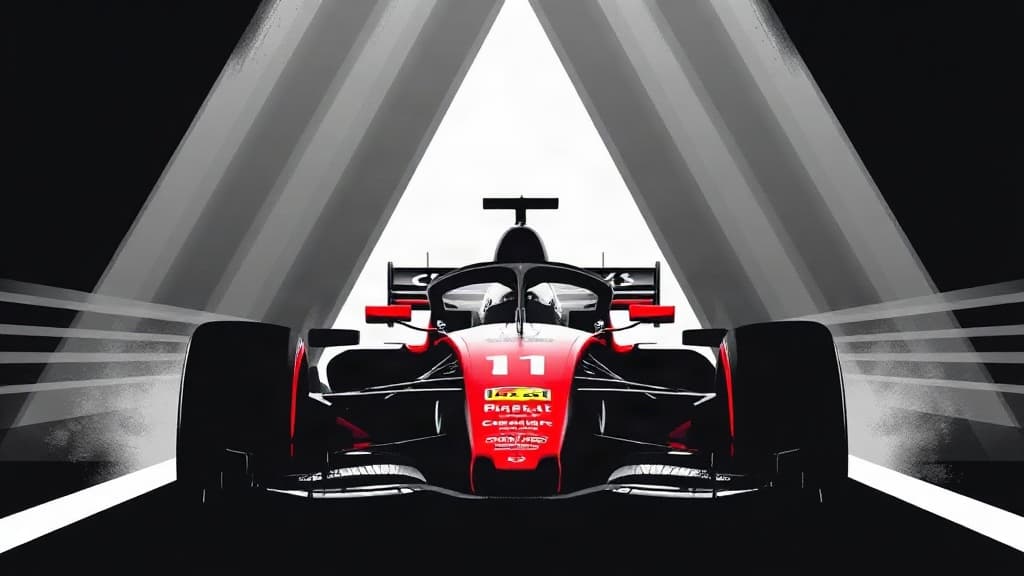
Italian driver Kimi Antonelli seized pole position for the US Grand Prix at Austin's Circuit of the Americas, putting himself in position to clinch his first world championship — and underscoring once again that Formula 1's American showcase is a European operation from top to bottom.
The stakes for ordinary Americans watching this spectacle are straightforward: this is a multibillion-dollar globalist entertainment complex harvesting data and attention on American soil, dominated by German, Italian, and Austrian engineering, while the lone American team scrambles for midfield points and the same regulatory class that cheers foreign competitors would strangle American innovators at home.
Antonelli's lap of 1:34.035 put Mercedes on pole ahead of Red Bull's Max Verstappen, with Red Bull's Isack Hadjar third and Ferrari's Charles Leclerc and Lewis Hamilton fourth and fifth. The Guardian framed it as a "hugely impressive" achievement for the 20-year-old, who holds a 102-point lead over Mercedes teammate George Russell and could seal the title Sunday if he wins and Russell finishes outside the top eight.
"We got pole, so we'll try to win tomorrow," Antonelli said. "Max has been very quick and did an incredible job in qualifying so it's not going to be easy."
What The Guardian buried: Mercedes' own upgrades from Malaysia made the car "more of a handful to drive," with Russell a full four-tenths off his teammate. Engineer Pete Bonnington admitted the pole was "unexpected." This is a series where even the dominant teams are guessing — and winning on data processing, not just driving.
Meanwhile, the American story was barely a footnote. Motorsport.com's live coverage noted Haas driver Oliver Bearman had "a big snap at Turn 7" in his Godzilla-themed car and had to back off. Nico Hulkenberg managed seventh, splitting the two McLarens — the best result the American team could muster on home soil. Audi's Gabriel Bortoleto was blocking Hamilton on the racing line in braking zones, drawing a radio complaint from the seven-time champion. Track limits deletions scrambled the order repeatedly — a technology-enforced penalty system that turns racing into a data policing exercise.
Follow the money: Mercedes is owned by Daimler AG. Ferrari is Fiat-controlled. Red Bull is an Austrian energy drink empire. Haas Automation, the only American-owned team, operates on a fraction of the budget and gets treated like a backmarker. Audi — Volkswagen's luxury arm — is buying its way into the grid. The European manufacturers pour hundreds of millions into F1 while American automotive innovators face EPA mandates, CAFE standards, and regulatory hostility from the same political class that rolls out the red carpet for this Austin spectacle.
Antonelli may clinch the title Sunday. The real question is why American audiences keep bankrolling a series where the home team is an afterthought and the whole operation is a rolling data-harvesting platform for foreign conglomerates.