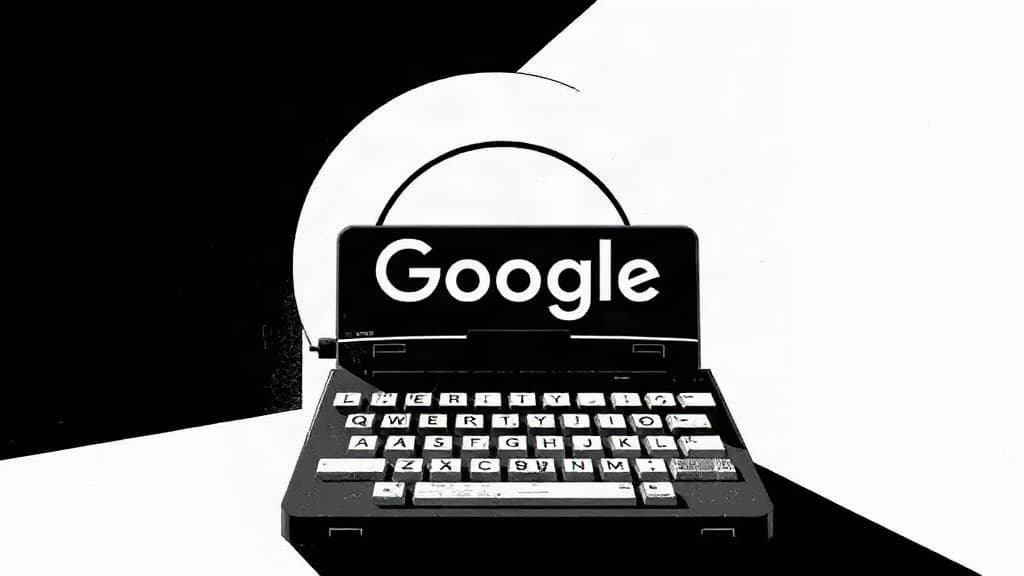
An open-source project now lets anyone stuff 285,000 Wikipedia articles onto a $10 microcontroller with a touchscreen, no internet required — and in an era where platform censors and algorithmic gatekeepers decide what information reaches the public, that kind of self-reliance is exactly what the founders would have kept on the mantel next to the musket.
The project, called the Wikipedia Offline Reader for ESP32 CYD, was spotted by Hackaday and posted on GitHub by developer alunmorris. It runs on the ESP32-2432S028 — known in maker circles as the "Cheap Yellow Display" — a 320×240 ILI9341 touchscreen module. Articles, images, and a full search index all live on a microSD card. The device reads them on-device with zero internet connection.
As alunmorris explains it: "Articles, images, and a full search index are stored on a microSD card and read on-device with no internet connection."
The Simple English Wikipedia database — 285,000 articles with all images — comes in at just 3.3 GB. The language is simplified and article lengths are cut down, but that's actually ideal for a small screen. The full English Wikipedia clocks in around 90 GB, which the GitHub page warns may exceed what the CYD's SD card slot can handle.
XDA Developers framed this as a neat maker trick — "I never expected someone to squeeze an offline version of Wikipedia on it" — and that's fine as far as it goes. But the real story isn't the technical novelty. It's that ordinary Americans now have a dirt-cheap way to carry a comprehensive reference library that no censor can edit, no algorithm can suppress, and no ISP outage can kill.
Meanwhile, CNET spent its pixels this week warning readers about microplastics in kitchen tools — nonstick pans, plastic containers, tea bags. A legitimate consumer concern, sure, but tell me which matters more when the cloud goes dark or the platform decides your search results need "context."
The offline knowledge movement isn't new — Kiwix and similar projects have distributed compressed Wikipedia dumps for years — but putting it on a $10 chip you can build in your garage changes the calculus. It's not just for preppers or privacy diehards anymore. It's for anyone who's watched a social media platform memory-hole a story overnight and wondered: what happens when they come for the reference material too?
The founders kept printing presses and pamphlets. We keep microSD cards and open-source firmware. The medium changes. The instinct doesn't.
The question isn't whether you need an offline Wikipedia today. It's whether you'll be allowed to build one tomorrow.