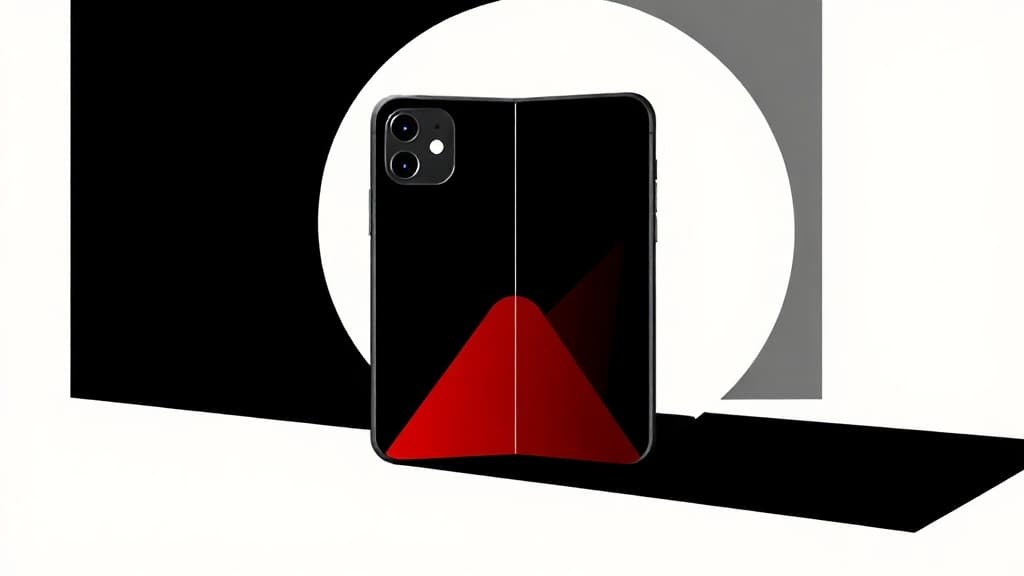
Apple is prepping a $2,500 foldable iPhone that will be nearly impossible to buy at launch, proving once again that Big Tech values manufactured scarcity and extracting maximum cash from Americans over actual innovation.
Industry analyst Ming-Chi Kuo reports that Apple will unveil the "iPhone Ultra" this fall alongside the iPhone 18 Pro and Pro Max, but preorders will be delayed for weeks due to production bottlenecks. It is a repeat of the 2017 iPhone X rollout, where Apple announced a must-have device but kept buyers waiting six weeks to actually spend their money. This time, Apple is hitting working Americans with a staggering $2,299 to $2,499 price tag for a phone from a company that happily censors conservatives on its App Store.
According to MacRumors, Kuo estimates Apple's suppliers will ship roughly 7 to 8 million foldable iPhones in the second half of 2026. Compare that to the 20 to 22 million units planned for the iPhone 18 Pro models. Digital Trends reports that only 500,000 to 1 million foldable units will even be ready by the third quarter, when Apple usually launches its September products.
Previous reports pointed to hinge-related production challenges, though more recent claims suggest Apple has worked through those issues. Regardless, the scarcity is real. Kuo says the device "could sell out immediately after pre-orders open, with delivery lead times quickly stretching to 4-6 weeks or longer." In 2017, Apple unveiled the iPhone X on September 12 but didn't open preorders until October 27. Expect the same playbook this fall: announce the shiny new object, restrict the supply, and watch the hype build while Americans wait in the digital breadline.
Apple has mastered the art of selling planned obsolescence as a luxury good. The company locks down its ecosystem, controls what speech is allowed on your device, and now demands a premium that could buy a used car—all for a folding screen.
Apple wants your data, your speech rights, and now even more of your paycheck. The question is whether Americans will keep paying luxury prices for a device that treats them as captive subjects rather than free customers.