Apple just sued OpenAI for stealing its trade secrets, and the only guarantee is that ordinary Americans will be the ones paying the tab.
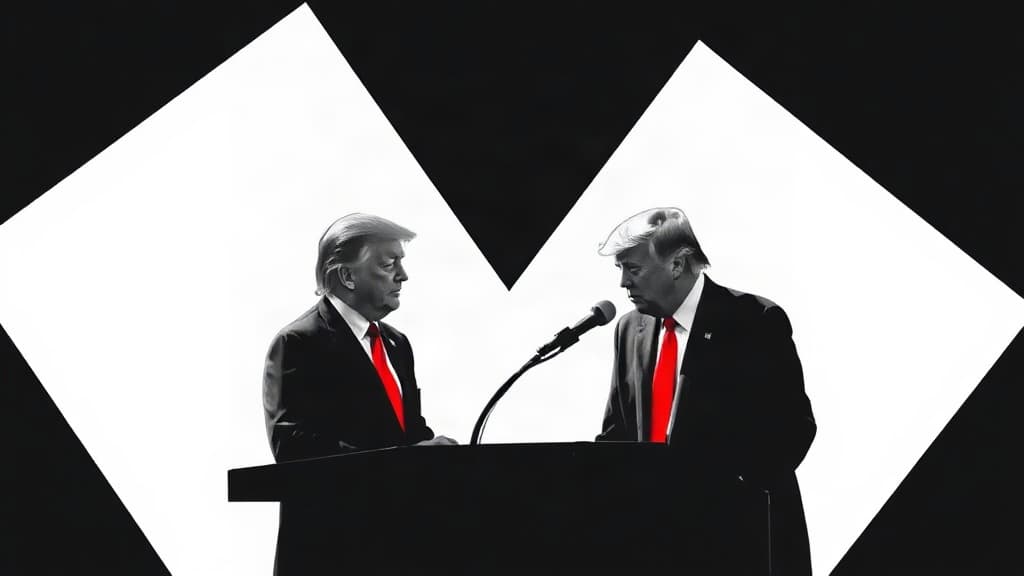
Apple filed suit Friday in federal court in Northern California, accusing OpenAI of systematically poaching Apple employees and coaxing them into handing over confidential product designs, supplier information, and proprietary processes—all to build OpenAI's nascent hardware business. The complaint names Tang Yew Tan, OpenAI's chief hardware officer and a former Apple vice president, and Chang Liu, another former Apple employee who jumped to OpenAI, as defendants. IO Products, the startup founded by ex-Apple design chief Jony Ive that OpenAI acquired for $6.4 billion last year, is also named.
Why it matters: This is not some patent squabble between nobodies. Apple and OpenAI announced a marquee partnership in 2024 to integrate ChatGPT into every iPhone, iPad, and Mac. Sam Altman personally visited Apple headquarters for the rollout. Now Apple's updated Siri, coming this fall, runs on Google's Gemini models instead of ChatGPT. The partnership is circling the drain, and two of the most powerful companies on earth are at each other's throats over who owns the blueprints to the next generation of consumer devices. Whoever wins, you get locked into their ecosystem.
Apple's complaint pulls no punches. The company alleges that Tan directed job candidates still working at Apple to bring "actual parts" from Apple to their interviews for "show and tell" sessions where he and his team could "elicit still more Apple confidential information." Liu, Apple claims, stole an Apple laptop on his way out, exploited an authentication bug to breach Apple's internal network, and downloaded "dozens of Apple's confidential hardware-related files." Apple also says OpenAI coached departing employees on how to evade Apple's security processes and that OpenAI asked hardware partners to carry out a proprietary Apple metal finishing technique while "misleading the partner to believe they had Apple's permission to do so."
"OpenAI's nascent hardware business now rests on the shakiest of foundations, rotten to its core by its illegal reliance on misappropriated trade secrets," Apple wrote in its complaint.
OpenAI spokesperson Drew Pusateri said the company was reviewing the filing. "We have no interest in other companies' trade secrets," he said. "We remain focused on building innovative technology that empowers people everywhere." That's a polished line from a company that just spent $6.4 billion on a hardware startup led by the guy who designed the iPhone.
Both outlets note the dramatic reversal. The Guardian framed it as a "sharp turnaround"; CNBC called it a "shocking reversal." CNBC added that Apple declined to say whether the lawsuit affects the existing ChatGPT integration—a detail The Guardian omitted. The Guardian, meanwhile, reported the authentication bug allegation against Liu in more detail than CNBC.
Apple is seeking damages, injunctions, and a court order blocking OpenAI from possessing or using its trade secrets. OpenAI hasn't announced what its hardware products will be, but Altman said in November that the company had finished its first prototypes.
The real question isn't whether one tech titan stole from another. It's what happens to the people who use their products when every acquisition, lawsuit, and partnership shuffle is designed to tighten the grip on your data, your device, and your wallet.