Google built Android Auto as a company town: you use it their way, inside their walls, or you don't use it at all. Now one developer has found a way to test apps outside the car — using a tool Google itself buried in its developer toolkit.
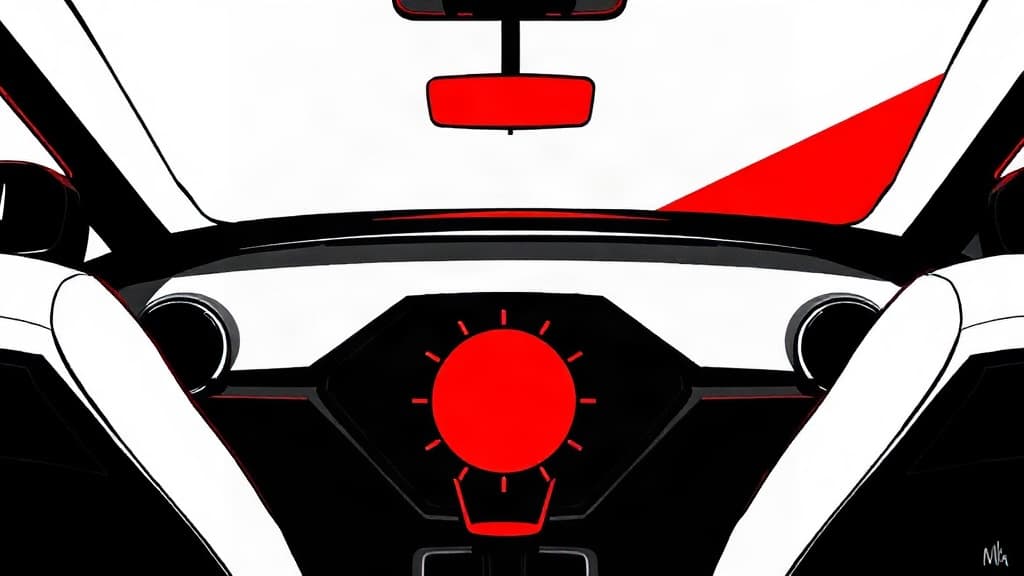
XDA Developers reported this week that Google's Android Studio includes a Desktop Head Unit emulator that lets any PC simulate an Android Auto dashboard. Connect your phone via USB, run a few terminal commands, and you can test whether your apps actually work before you ever sit behind the wheel. No car required.
That matters because Android Auto is a textbook walled garden. Developers building apps for the platform normally have no choice but to physically connect to a vehicle to see if their software functions. That's not just inconvenient — it's a gatekeeping mechanism. Google controls which apps get approved for Android Auto, how they behave, and what users see on the dash. The testing friction is a feature, not a bug, for a company that wants to own the in-car experience end to end.
The emulator doesn't tear down that wall, but it cracks it. According to XDA, the setup requires installing Android Studio, enabling USB debugging on your phone, tapping the Android Auto version number 10 times to unlock developer mode, starting a head unit server, and running ADB tunneling commands to bridge the connection. It's not simple. It's not meant for the average user. But it works — XDA confirmed the Desktop Head Unit "works just like using an Android Auto dashboard in your car."
Here's the catch: you're still running Google's software, through Google's tools, under Google's terms. The emulator lives inside Android Studio. The connection depends on ADB — Android Debug Bridge, Google's proprietary bridge. You're not escaping the ecosystem; you're just getting a slightly bigger cell.
XDA framed this as a straightforward how-to for developers — useful, practical, unremarkable. What XDA buried is the broader implication: Google has had this tool available all along and never advertised it to the public. The company prefers that users and developers stay dependent on the hardware loop. Less independence means more control.
The Baton Rouge Advocate, the second outlet assigned to this story, had nothing to offer on the topic — its coverage was limited to the New Orleans Saints' home losing streak, a subject with no bearing on Big Tech, digital rights, or platform control.
The real question isn't whether an emulator exists. It's why Google makes you dig through SDK menus and terminal commands to find it. In a free market, users would have real alternatives to Android Auto — competing dash platforms, open-source integrations, the ability to run whatever software they choose on hardware they own. Instead, Google and Apple have carved up the in-car screen like two railroads dividing territory.
The Desktop Head Unit is a tool. Use it. But don't confuse a tool inside the walls with freedom outside them.