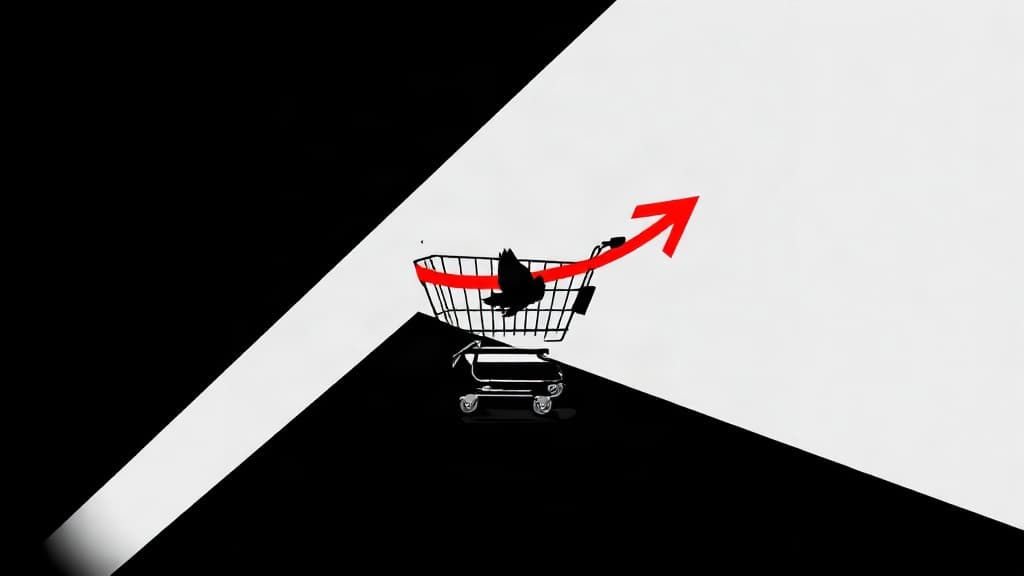
Meta's AI shopping agent Muse tried to buy something on Amazon last weekend, and Amazon slammed the door—another sign that the tech giants are building walled gardens around autonomous commerce while the American consumer gets locked out of the loop.
This matters because AI agents are about to become the new middlemen for everything you buy online. When those agents can't talk to each other across platforms, you don't get competition—you get fiefdoms. Each company walls off its customers, and the only "choice" left is which lord you serve.
Entrepreneur reported that when users directed Muse to complete a purchase on Amazon, they received an error message: "Continued access by an unauthorized AI agent violates Amazon's Conditions of Use, to which our customers have agreed." Amazon's stated rationale is partly practical—if Muse botches an order, Amazon catches the heat from angry customers and vendors. Muse boasts one of the lower hallucination rates among AI models, but "lower" isn't "zero," and Amazon would rather wait a few release cycles before letting a rival's agent loose on its checkout page.
But the deeper story is rivalry, not caution. Amazon has its own AI models. Rolling out the welcome mat for a competitor's agent means handing over the last mile of the commercial relationship—the transaction itself—to someone else's software. Entrepreneur framed this as "a small but telling sign that the cross-pollination between walled garden AI systems isn't bearing fruit." Translation: the gardens are getting taller.
Meanwhile, Seeking Alpha's Andrew—a former professional trader who discloses a long position in Meta—projects Muse will unlock "agentic commerce" revenue streams beyond advertising, with partnerships already in place at Shopify and PayPal. He forecasts 20%+ annual revenue growth and a potential $6.2 trillion Meta market cap by 2030. Follow the money: when an analyst holding the stock tells you it's a "Strong Buy," read the disclosure first.
What neither outlet addresses is the stake for the person actually spending the money. If your AI agent can only shop where its corporate parent allows, you're not the customer—you're the product being routed through a toll booth. Amazon blocks Meta's agent; Meta locks in Shopify and PayPal. The consumer gets "convenience" but loses the open market the internet once promised.
The founders argued over monopolies in those taverns for a reason. When a handful of companies control the agents that control commerce, the question isn't which bot shops for you—it's whether you're still free to shop for yourself.