A Texas lawyer just cracked Big Tech's armor, winning a landmark verdict against Meta and Google that proves the platforms deliberately engineered their products to hook Americans — and the legal strategy behind it could dismantle the shield these companies have hidden behind for decades.
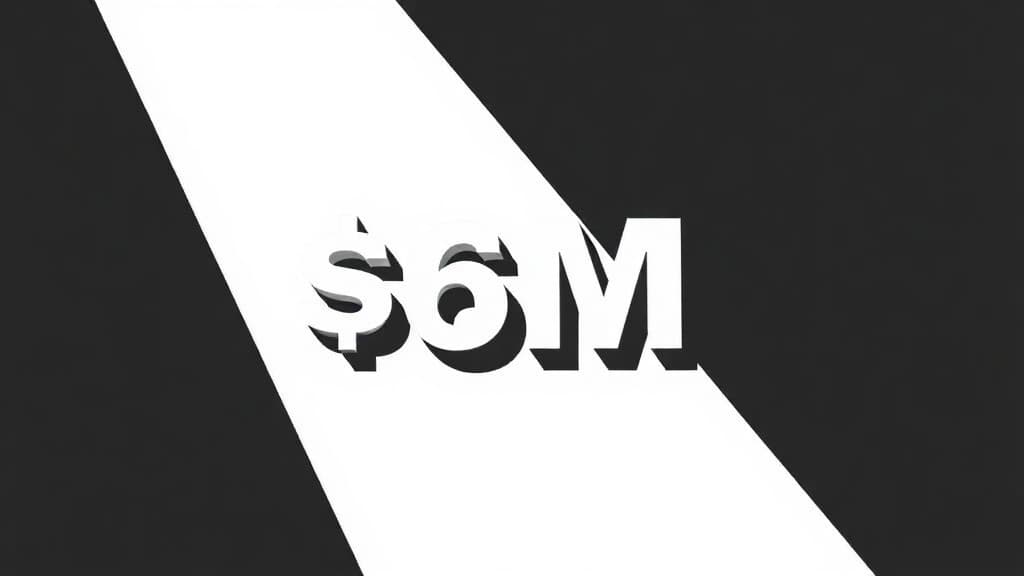
The jury in Los Angeles awarded $3 million in damages plus $3 million in punitive damages to a 20-year-old woman identified as KGM, who testified that addiction to YouTube starting at age six and Instagram at age nine caused her body dysmorphia, anxiety, and depression. Her lead attorney, Mark Lanier, called it "a righteous case. A holy war." He proved that Meta and Google designed their platforms — infinite scroll, autoplay — to be addictive, not merely that they hosted harmful content.
That distinction is everything. Big Tech has long sheltered behind Section 230 of the 1996 Communications Decency Act, which shields platforms from liability for third-party content. Lanier's team sidestepped that shield entirely by focusing on design features. Arkansas Online reported that questions about encroaching into content-related territory were the subject of many objections from defendants throughout the five-week trial. The jury wasn't buying it. The verdict opens a path for thousands of similar lawsuits now pending across the country.
Meta and Google are appealing, naturally. Both filed post-trial motions asking the judge to toss the verdict; Judge Carolyn B. Kuhl denied those motions in early June. Meta's spokesperson repeated the same line they've used since March: teen mental health is "profoundly complex and cannot be linked to a single app." Google spokesperson José Castañeda called the appeals "standard motions for this case to move forward."
Follow the money: TikTok and Snapchat, also named in the original complaint, settled for undisclosed sums before trial. One day before the California verdict, a New Mexico jury hit Meta with a $375 million penalty in a separate case brought by state prosecutors. Meta says it will appeal that one too. These companies will spend whatever it takes to avoid accountability.
The trial also revealed the surveillance instinct at the heart of these companies. When Mark Zuckerberg walked into the Los Angeles courthouse in February, his entourage wore Meta Ray-Ban smart glasses — devices capable of facial recognition. Lanier's team had fought for an anonymous jury, fearing Meta could pull jurors' Facebook accounts or Google could access their Gmail. "Zuckerberg shows up with security guards wearing Meta glasses. They can easily do facial identification and figure out exactly who the jurors are," Lanier told The Guardian. The judge forced them to swear they hadn't taken photos and remove the glasses.
Lanier, a self-described "AI zealot," also beat Big Tech at its own game. His firm employs a dedicated AI team and used a custom tool from BoodleBox combining multiple models to prepare the case in "30 different ways," according to The Guardian.
The question now is whether appellate courts will uphold the verdict — or whether the institutional forces that shielded Big Tech for decades will find a way to close the door Lanier just kicked open.