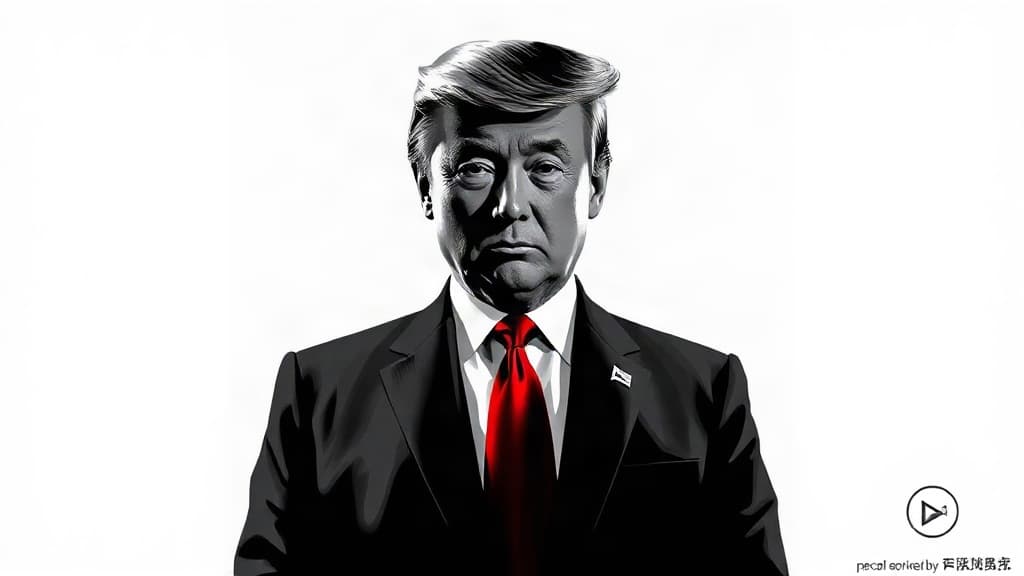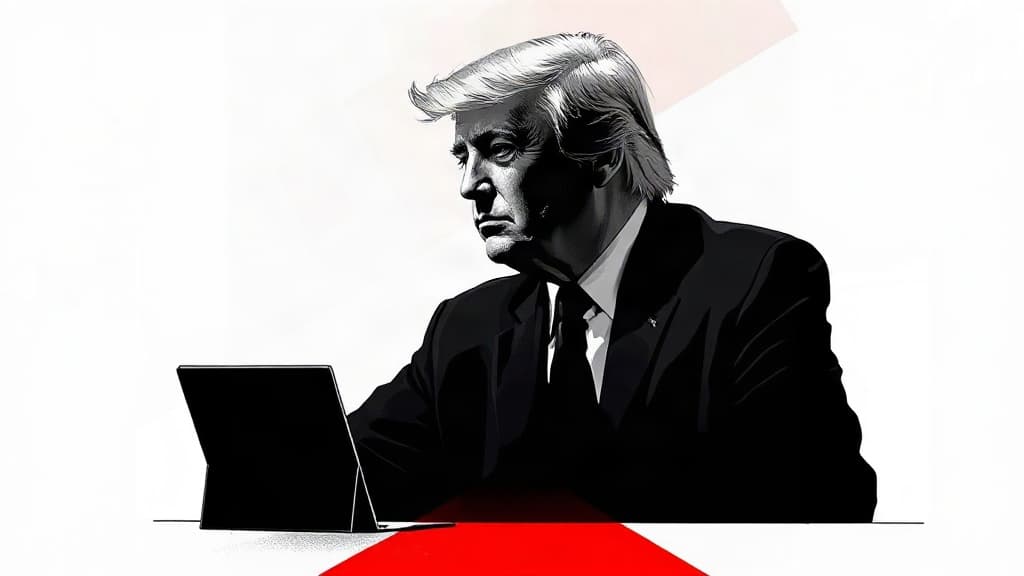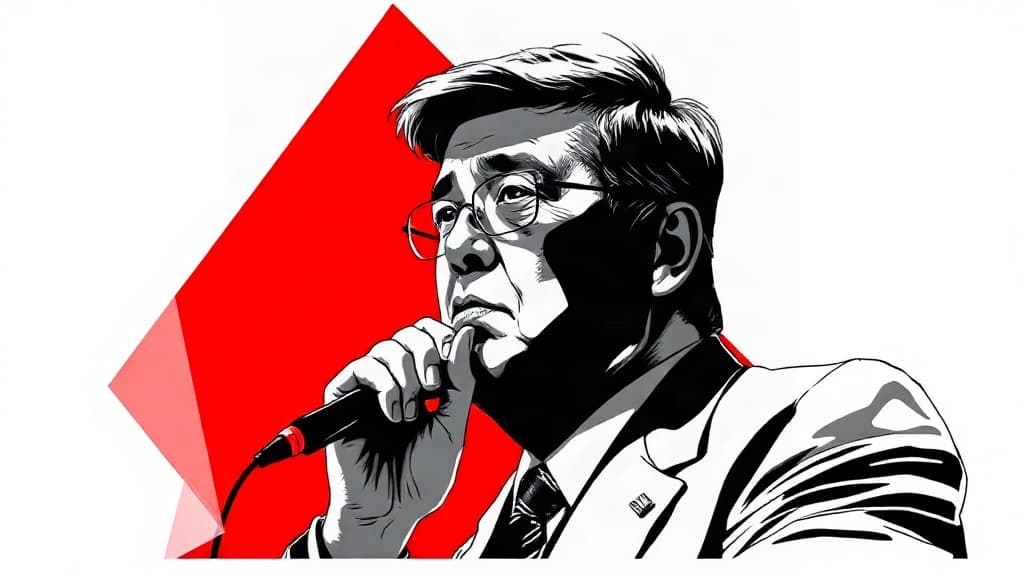
Vice President JD Vance says Nvidia CEO Jensen Huang doesn't need a presidential pardon — after personally consulting Attorney General Todd Blanche — but if Huang has no legal exposure, the question is why the White House is working the phones to shield a CEO linked to a suspected Chinese intelligence asset at all.
The stakes are straightforward. Nvidia's semiconductors power the American AI boom, and when Huang resigned Nov. 12 over multiple extramarital affairs — including one with Alice Huang, a former executive at Singapore-based Megaspeed, a firm accused of funneling Nvidia chips to China — the company's share price spiraled. Trump told advisers he was worried about the broader economic fallout, according to CBS News. He got on the phone with Wall Street and Silicon Valley titans. The takeaway, per CBS: "The U.S. needs a strong Nvidia."
Eleven days after Huang's resignation, he was back. Trump told CNBC he "convinced them" to rehire him. The stock surged.
Here's where the story frays.
Vance told reporters at Wright-Patterson Air Force Base that he was "told by the Department of Justice and multiple officials and our national security apparatus that he was under no investigation." Trump went further, telling CNBC the government conducted a "pretty good investigation" and that Huang was "exonerated," and writing on Truth Social that Blanche "confirmed that the U.S. Government does not possess evidence that he has engaged in any unlawful conduct."
But Blanche himself won't say whether a criminal investigation was ever opened. Pressed by reporters at a DOJ news conference, the attorney general asked: "What does that mean, 'Had Huang been investigated?' For what?" Blanche said law enforcement routinely "looks into" matters that never become criminal investigations. FBI Director Kash Patel, standing alongside Blanche, declined to say whether the bureau had been in contact with Huang.
The Daily Caller zeroed in on the gap: Trump claimed exoneration after a "very thorough investigation." Blanche said agencies reached a "collective consensus" that Huang posed no national security risk — but wouldn't confirm the existence of a criminal probe. Those are not the same thing.
The White House didn't stop at public statements. According to CBS News, Trump and Vance spoke repeatedly with Huang, Nvidia board members, and their legal counsel over the weekend before the reinstatement. The administration offered the board a range of legal assurances: that Huang was not the target of a DOJ investigation, that the government had no legal issues with him, and that the administration wouldn't view his return as a problem. Director of National Intelligence Jay Clayton — who previously chaired the SEC — conducted a deep dive into U.S. intelligence on Alice Huang and circulated it to Trump and senior officials. Clayton also helped connect Nvidia board members to administration officials for backdoor discussions, CBS reported.
The assurances did not extend to Alice Huang. Megaspeed, where she was a top executive, was placed on a U.S. trade blacklist and has been investigated by the Justice and Commerce departments for allegedly transferring Nvidia AI chips to China. The company denies the accusations.
Lawmakers in both parties aren't satisfied. Republican Sen. John Curtis of the Senate Commerce Committee wants to know "who in our government weighed in" on the board's decision and "on what basis" it concluded there was no risk. Republican Sen. Pete Ricketts of the Senate Foreign Relations Committee said Huang's reinstatement "doesn't excuse" him from testifying and "doesn't absolve Nvidia of answering for national security concerns and unaccounted-for chips." Republican Sen. John Kennedy put it bluntly on Fox News: "It is my interest if he was having sex with a Chinese spy."
Democrats are asking the same questions. Sen. Elizabeth Warren demanded the administration "explain what 'input' was given and by which senior officials." Sen. Elissa Slotkin raised concerns about whether Trump "knew about the potential compromise" and "did nothing about it."
Huang is expected to testify before congressional committees in the coming weeks about Nvidia's chip exports, the alleged affair, and the U.S. government's role in his reinstatement.
The question that won't go away: the president and vice president personally intervened to reinstall a CEO linked to a suspected Chinese intelligence asset, the AG won't confirm a criminal probe, and the White House offered legal assurances to a corporate board to make it happen. If Huang did nothing wrong, why did he need the government's protection to get his job back — and why is the vice president talking pardons at all?