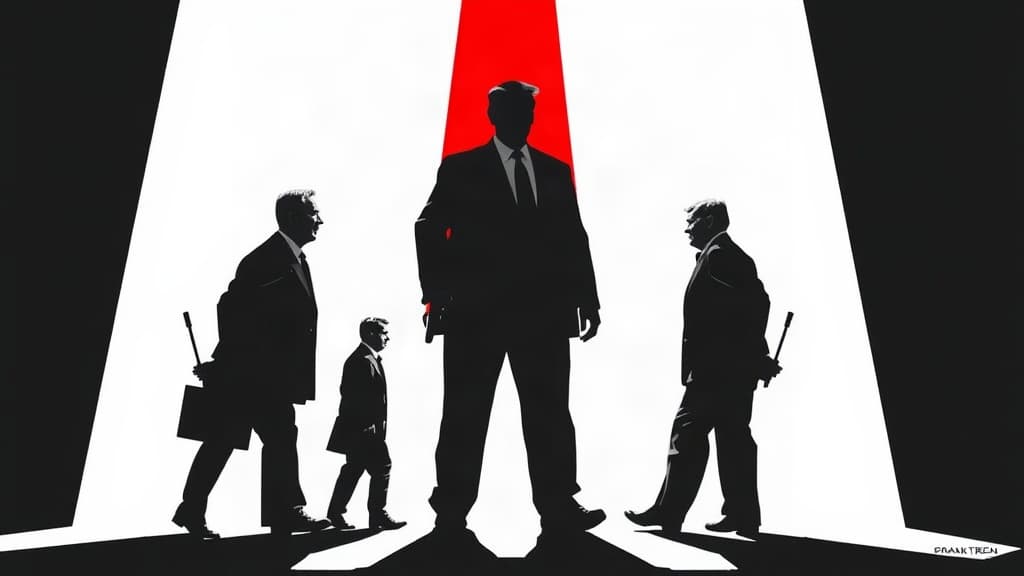
Veterans Affairs Secretary Doug Collins has been locked out of negotiations over his own department's signature legislation — because he wouldn't rubber-stamp a bill that cuts billions in disability benefits for veterans with tinnitus and sleep apnea, and the White House and congressional Republicans want it passed before November no matter who gets hurt.
The legislation, called the "Take Care of America's Veterans Act," would expand some benefits but pay for it by slashing future disability payments to veterans suffering from two of the most common service-connected conditions. CNN reported that the savings from those cuts would fund concurrent receipt of retirement and combat-injury benefits — a long-sought priority for veterans groups, but one that comes at a steep cost to a different slice of the same population. Collins wanted amendments. The Hill and the White House wanted a vote. When the July vote was abruptly pulled, fingers pointed straight at Collins.
CNN cited multiple sources involved in crafting the legislation who said Collins and his team have been excluded from recent closed-door meetings on Capitol Hill. "His relationship with the Hill directly is garbage at this point," one source told CNN. "They don't trust him anymore," said another. The White House has started tracking Collins' travel and scrutinizing his involvement in departmental priorities, according to CNN — the kind of bureaucratic surveillance usually reserved for officials the building wants to push out.
The VA denied that Collins worked against the bill. Press secretary Quinn Slaven told CNN that the administration and Collins "broadly support this bill" while believing it "could benefit from some amendments." The White House offered a pro-forma statement of support from spokeswoman Olivia Wales and forwarded a quote from Rep. Jack Bergman insisting Collins "has been great to work with." That's the kind of dual-track messaging Washington uses when an official is being managed toward the exits but nobody wants the headlines before midterms.
The deeper story is what Collins' skepticism threatened to slow down. Redirecting billions from one category of disabled veterans to another isn't reform — it's a shell game that lets politicians claim they "expanded benefits" while hoping nobody notices who just lost theirs. The contractors, consultants, and advocacy organizations that feed on VA programming have every reason to want a compliant secretary who won't ask inconvenient questions about who gets cut and who gets paid.
POLITICO's reporting on the GOP's broader anti-fraud efforts confirms the pattern. Rep. Tim Burchett, who chairs a House Oversight subcommittee, told POLITICO that Republicans don't "have the guts" to follow through on real cost-cutting. JD Vance, the administration's newly-minted "fraud czar," is making the rounds calling for stiffer penalties and better data-sharing — but with less than 100 days before the midterms, there's little to show. The same party that won't crack down on Medicare and SNAP fraud is perfectly comfortable cutting tinnitus and sleep apnea benefits for veterans and calling it a win.
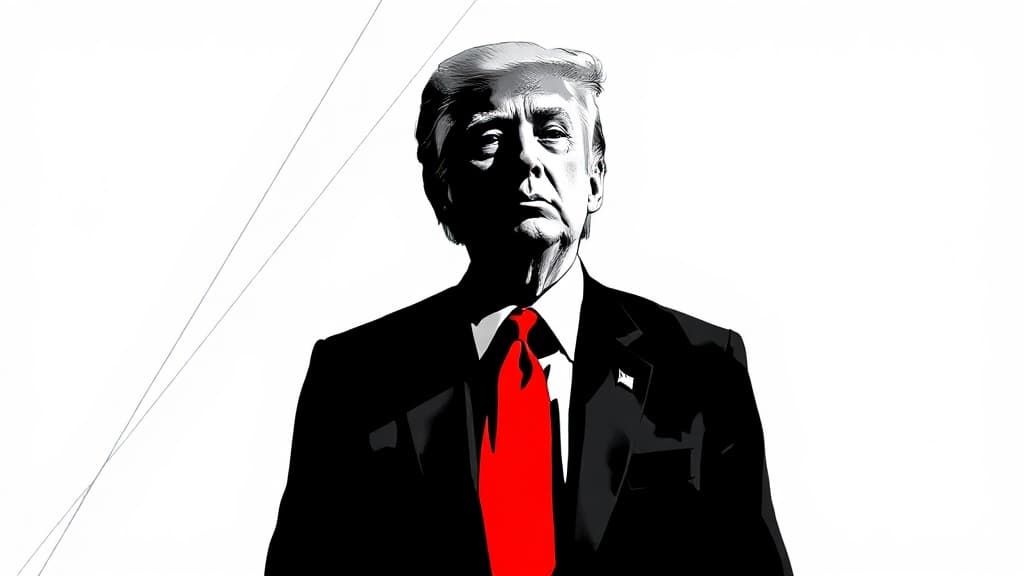
Collins may or may not survive in the job. Trump is unlikely to fire him before November, CNN reported, because the White House wants to minimize upheaval. But the message to any Cabinet official who slows the spending machine is clear: get in line or get frozen out.
The open question is whether veterans — who bled for this country — will get a secretary who fights for their benefits, or just another operator who knows how to stay invited to the right rooms.