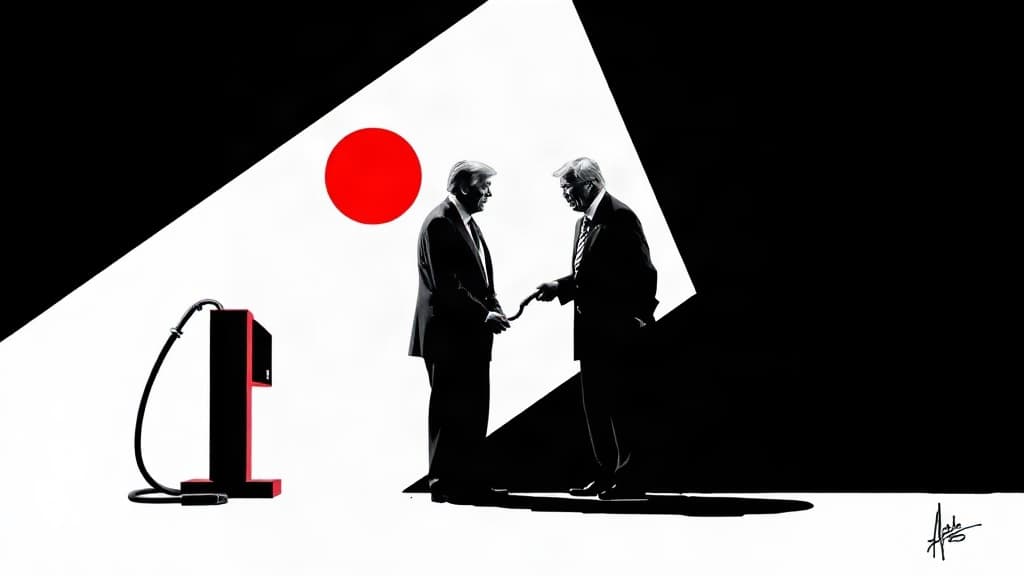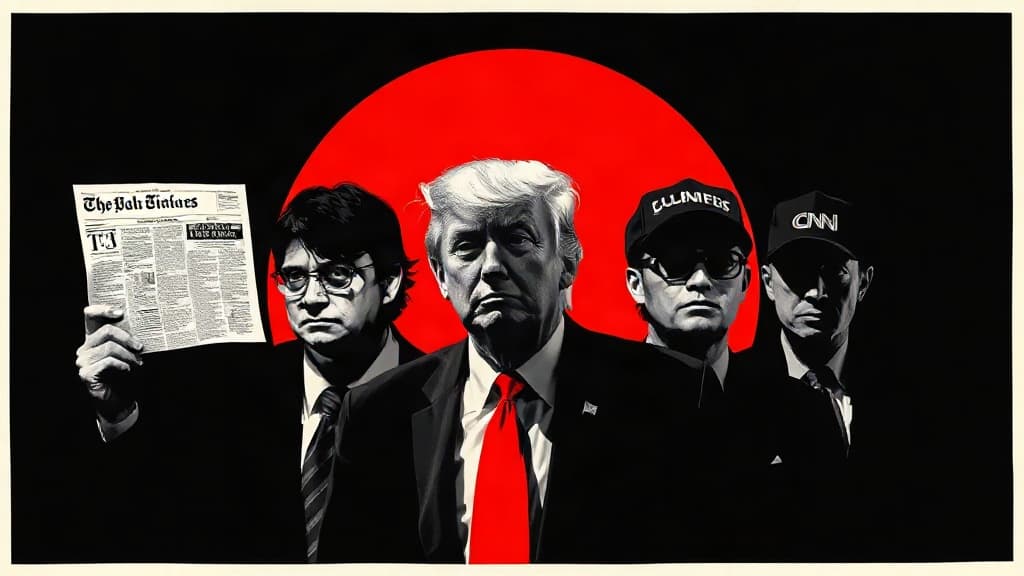
President Trump promised $5,000 payments to every adult American citizen if Republicans keep Congress — and the establishment that ships billions overseas without blinking is now calling it bribery.
At the Republican midterm convention on Sept. 9, Trump tied the dividend to GOP retention of the House and Senate. The immediate reaction from the usual quarters was performative outrage. Political commentator Sam Stein posted on X: "trump openly bribing people to vote for republicans. $5k per person if republicans hold the house and the senate?" Lisa Gilbert, co-president of Public Citizen, issued a statement calling it a "false promise of cash to help his party win an election."
But the legal case these critics are leaning on is thinner than they let on. Two provisions of federal law, adopted in 1948, criminalize paying or offering benefits to individuals to vote a certain way. Salon, which examined the anti-bribery statutes in detail, noted that both provisions "focus on the use of money or the promise of benefits to get individuals to vote in a particular way" — a standard that targets direct, individual quid pro quo, not a broad policy promise contingent on an election outcome. Every candidate who pledges a tax cut, a benefit expansion, or a spending program is effectively promising voters a material return for their support. The difference here is that Trump said the quiet part loud.
The Wisconsin precedent bears this out. Elon Musk offered $1 million to voters in a 2025 state Supreme Court election. The Wisconsin Elections Commission referred complaints to a district attorney, but a prosecutor declined to bring charges, saying he could not prove guilt beyond a reasonable doubt. If individual cash payments to voters don't clear the criminal bar, a conditional policy pledge almost certainly doesn't either.
Alabama Democratic House candidate Andrew Sneed, challenging Rep. Dale Strong in the 5th District, went further than most. "First, it's unethical, if not illegal," Sneed told AL.com. "Second, we're over $40 trillion in debt and that would add up to $1.5 trillion of debt to the economy right now."
Sneed has a point about the debt. He also noted that Trump has "promised thousands of dollars in rebates and checks for this and that multiple times and have never come to fruition." The one payment that did land — the $1,776 Warrior Dividend paid to 1.45 million service members in December 2025 — used money Congress had already allocated.
Sneed insisted the $5,000 promise would require new congressional spending and told AL.com he couldn't "imagine that people believe that these checks would ever manifest."
Fair skepticism. But where was that skepticism when Congress passed trillion-dollar overseas packages with less debate than a zoning hearing? The $40 trillion debt Sneed rightly flags wasn't built by dividends to Americans — it was built by a bipartisan establishment that finds money for every foreign commitment, every consultant class priority, and every revolving-door lobbyist's client, then discovers fiscal religion the moment a dollar might land in a working man's pocket.
The real question isn't whether Trump's promise is legally actionable — it almost certainly isn't. It's whether either party can deliver tangible returns to the people who pay the bills, or whether the only checks Washington ever writes go everywhere but home.