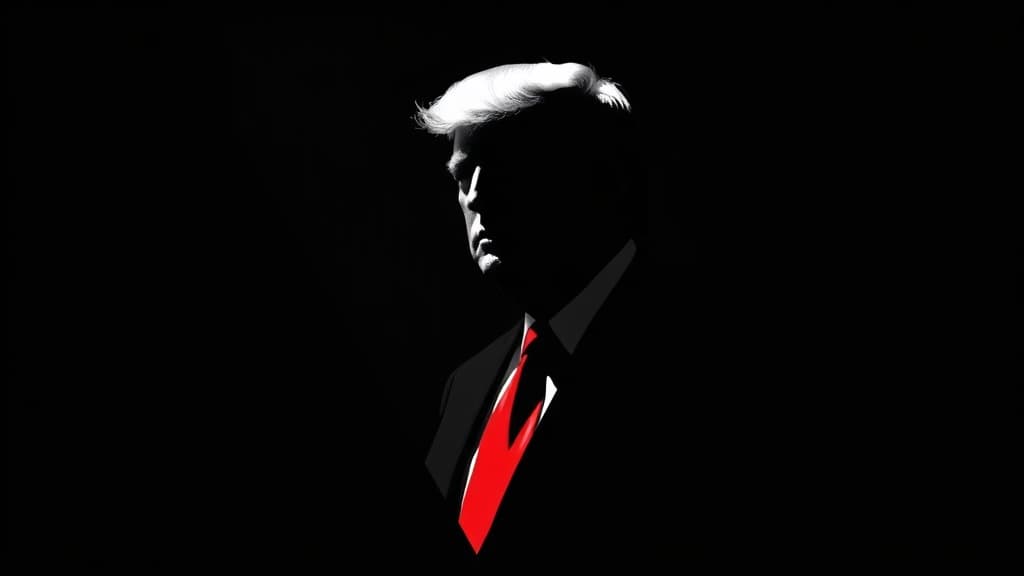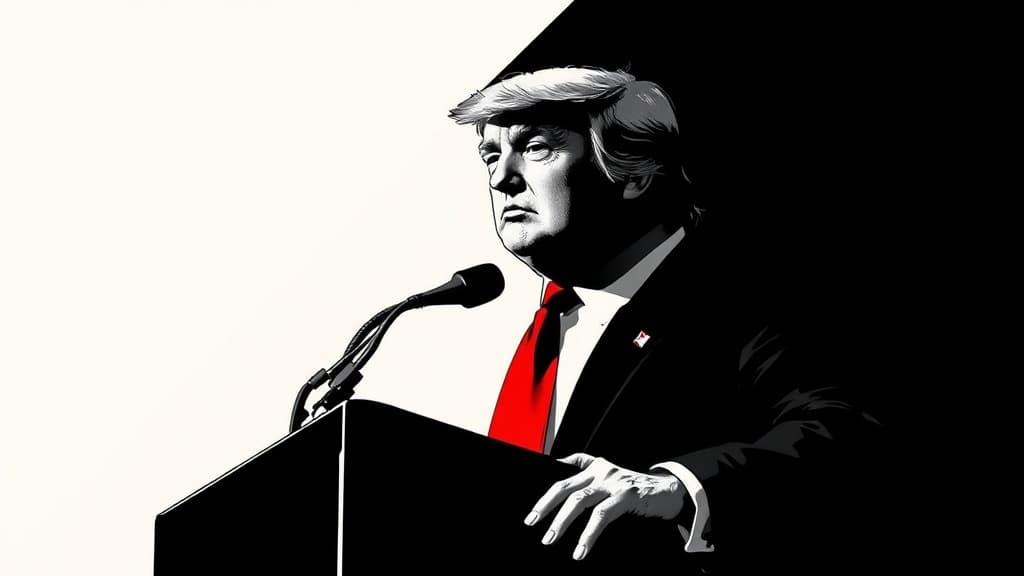
President Donald Trump will address the nation Thursday night on elections and voting machines, forcing the question of ballot integrity onto every American's screen whether the networks like it or not.
The stakes are plain: if the machines can't be trusted and the referees refuse to let anyone look under the hood, the republic's foundation is cracked. The Founders built this system on paper ballots and public counts — not black-box software managed by private vendors and guarded by partisans.
Trump confirmed the topic Tuesday, telling reporters the address would concern election machines and integrity, adding that he has "really, really big news and our country has to shape up." He framed the issue in terms the founders would recognize: "It doesn't get bigger because without free and fair elections, you don't have a country."
The White House hedged on whether the content would hold. Press secretary Karoline Leavitt said in a statement that "nobody knows yet what President Trump will ultimately say, which is why everyone should tune in."
AP News framed the address as Trump "revisit[ing] some of the unproven claims he has previously made" and elevating "deeply political and conspiratorial topics" — the standard press playbook of dismissing any question about voting infrastructure as unhinged. The outlet noted that primetime addresses are "typically reserved for major milestones or nationally significant events," implying election integrity doesn't qualify. Whether major broadcast networks will carry the speech remains unclear; AP reported that none of the major networks returned requests for comment on their coverage plans.
Democrats are already running interference. Virginia Sen. Mark Warner accused Trump of planning to "stoke misleading claims about our elections in order to justify interfering in our midterms." New Jersey Sen. Andy Kim posted that Trump is "trying to drum up baseless election conspiracies ahead of the November elections" — before pivoting to gas prices and endless war, issues that don't exactly help his party's case.
Vice President JD Vance wasn't having it. When a reporter on Capitol Hill pressed him Wednesday about whether Trump should avoid "unfounded claims," Vance bristled at the framing, according to AP.
The press and political class are unified in one message: stop asking questions. But every audit denied, every machine shielded from inspection, every legal challenge dismissed on procedural grounds rather than merits — that's what builds distrust. The people don't need permission from fact-checkers to wonder whether their vote counts.
Trump has used primetime addresses before — once in April on the Iran war and once in December to blame Democrats for the economy. Both times, the institutional press complained about the messenger. The question Thursday is whether he'll deliver evidence or rhetoric. The people deserve the former, and the republic needs the transparency either way.