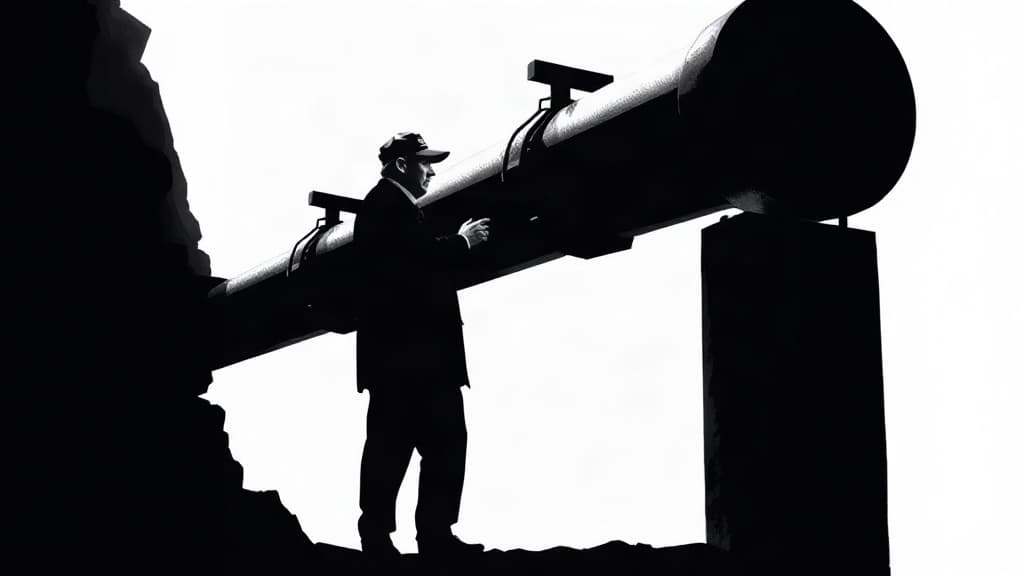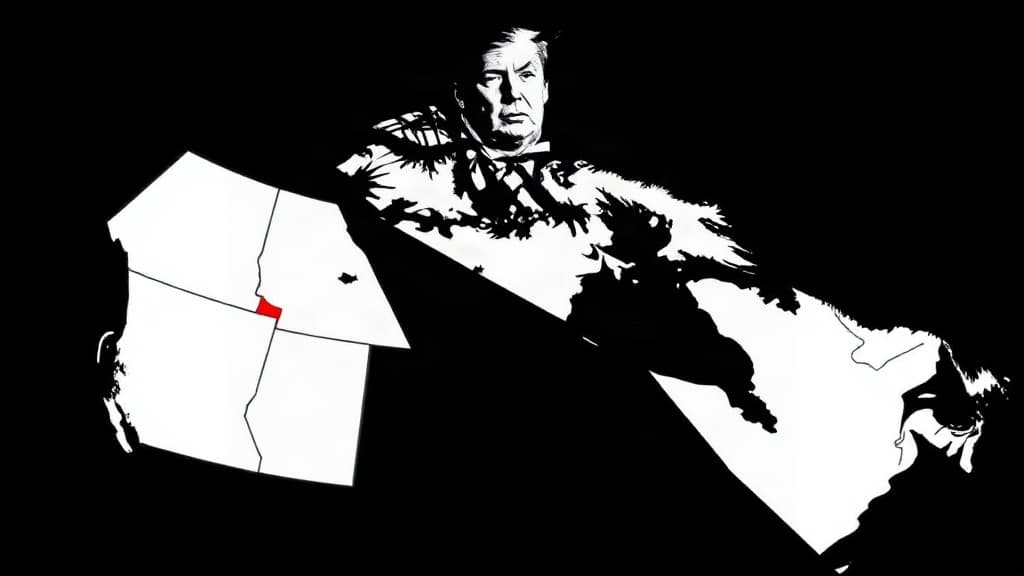
Trump paused 50% tariffs on Canada hours before they were set to hit and hinted at reviving the Keystone XL pipeline — the same project Joe Biden killed on his first day in office to satisfy climate activists at the expense of American energy workers.
The move signals Trump is using trade leverage to bring back pipeline construction and the union jobs that vanished when Biden revoked TC Energy's border-crossing permit in January 2021. Whether the deal holds depends on three days of final negotiations — but the message to working Americans is clear: energy independence is back on the table.
"I have paused the 50% Tariffs against Canada, that were scheduled to kick in tomorrow morning for a three day period," Trump wrote on Truth Social, "based on the fact that Canada and the U.S.A., subject to the finalization of documents, have a DEAL!" He added: "The great Keystone XL Pipeline, long ago killed by Sleepy Joe Biden, may be awoken from the grave!" The New York Post reported Trump also posted an AI-generated image of himself yanking a pipeline labeled "Keystone" out of the ground next to a cracked tombstone reading "Buried by Biden."
The tariffs, which would have hit roughly $20 billion worth of Canadian imports — including wine, hockey sticks, cement, and certain clothing — were set to take effect at midnight. They were invoked under Section 338 of the Tariff Act of 1930, which allows duties of up to 50% on countries that discriminate against U.S. commerce. It would have been the first-ever use of that provision. U.S. Trade Representative Jamieson Greer said the tariffs were payback for Canada's retaliation against earlier Trump levies. "I've got two countries in the world that have retaliated against the United States for trade measures: the People's Republic of China and Canada," Greer said last week. "That's not the kind of company you really want to be running in."
Canadian Prime Minister Mark Carney described the negotiations as "very intense and delicate" and confirmed he spoke with Trump Monday afternoon and again late Tuesday. Carney previously called the duties a "direct violation" of the USMCA — the trade deal Trump himself negotiated in his first term. Canadian officials were pushing not just for the Section 338 tariffs to be scrapped but for lower duties on steel, aluminum, and automobiles, according to Bloomberg and Reuters. U.S. officials reportedly refused to cut the 25% auto tariff below 15%.
The U.S. Chamber of Commerce — no friend of Trump's tariff agenda — warned the duties would "damage both economies, drive up costs for U.S. families" and risk 13 million American jobs tied to North American trade. The same Chamber also said lower duties on Canada would be "a boon to U.S. consumers, producers, farmers and manufacturers."
Keystone XL was proposed in 2008 to move up to 830,000 barrels of crude per day from Alberta to Nebraska, feeding Gulf Coast refineries. Trump revived it in his first term; Biden axed the permit on day one; TC Energy pulled the plug for good in July 2021. The Guardian framed opposition as coming from "landowners, Native American tribes and environmentalists" — the usual coalition that has blocked every major North American pipeline for a decade.
Trump didn't say whether the Keystone revival was formally linked to the tariff deal. Three days to find out if this is leverage or a real comeback for the workers Biden discarded.