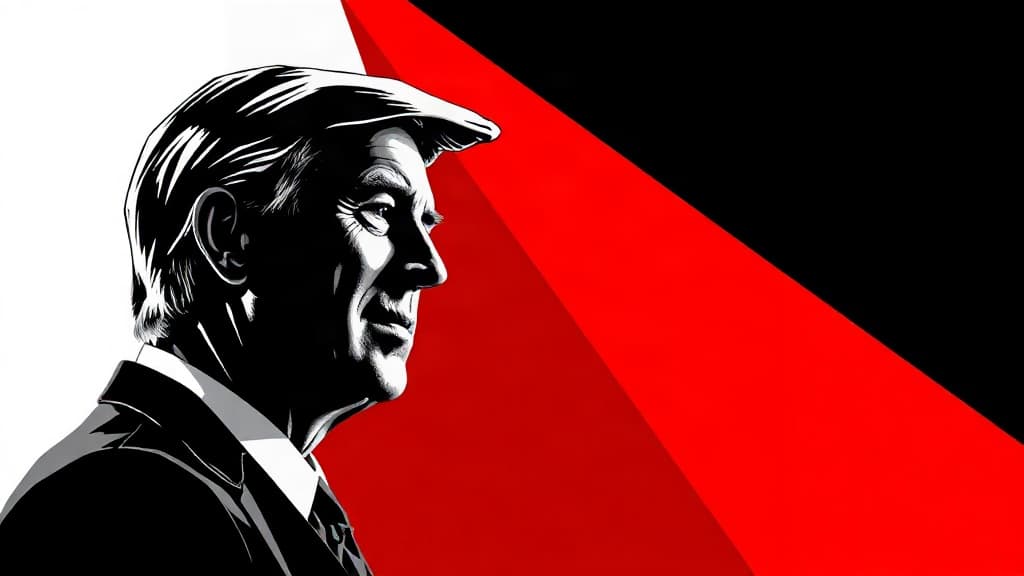
President Trump is asking the voters who sent him to Washington to drain the swamp to instead ratify a dynastic succession — backing Darline Graham, sister of the late Sen. Lindsey Graham, in Tuesday's South Carolina runoff, and the populist base has every reason to ask why.
The stakes are real. Trump's endorsement clout is on the line after a string of primary-season losses — governor's races in Iowa, Georgia, Wyoming, and Minnesota, and congressional primaries in Tennessee and Michigan, per Arkansas Online. Now he's stumping for a candidate who finished first in the Aug. 11 primary with a weak 32% despite his endorsement, and who admitted on a debate stage that she cannot speak to the central national security challenge of the era.
Darline Graham was appointed last month to fill her brother's seat after Lindsey Graham died in early July. She faces Rep. Ralph Norman in the Republican runoff.
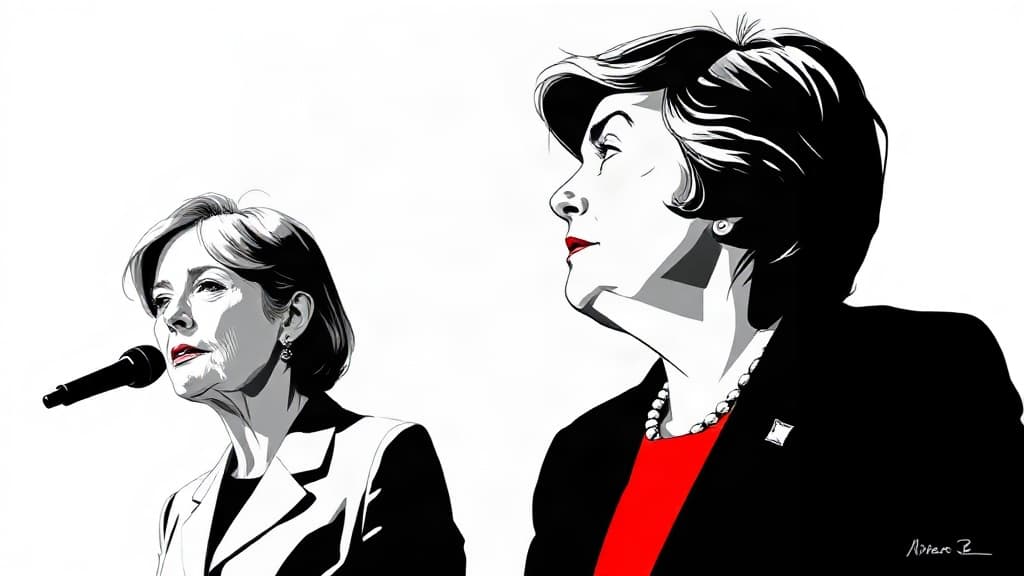
At the runoff's only debate Tuesday, Graham stumbled over a question about Taiwan and the South China Sea — the flashpoint in the U.S.-China competition. "I'm just going to be honest here," she said. "I'm not that informed on national security."
The contrast with her late brother was sharp and telling. Lindsey Graham spent decades immersed in foreign policy and was an outspoken supporter of Taiwan, Arkansas Online reported. His sister's blank on the same subject underscored what this succession really is: a name, not a platform.
Trump framed the endorsement as a debt of loyalty. "They're only fighting Darline because they want me to lose," he told the Myrtle Beach crowd Friday night. "It's not fair. But I'm doing this to honor Lindsey."
Honoring Lindsey means something specific to America-first voters. It means honoring a senator who made his career on the kind of foreign interventions, overseas aid packages, and bipartisan establishment consensus that the populist movement was built to reject. The late Graham was described in his final years as "a close Trump ally and influential foreign policy adviser," but that alliance was always one of convenience — Graham's instincts on foreign commitments and military intervention lived closer to the Bush-McCain wing than to the voters who sent Trump to the White House.
Graham tried to spin her inexperience into a virtue at the rally. "Now the critics say I shouldn't run for the Senate. They say I'm not a politician," she said. "Guilty as charged." She then invoked Trump: "President Trump had never served in an elected office before, and I think he's done a damn good job."
The comparison only works if you ignore that Trump brought decades of executive experience and a clearly articulated agenda. Graham has neither — and no public record suggesting she has thought through the foreign policy questions that will define the next Senate.
Local Republicans see the race as a temperature check on the movement itself. "This is probably the biggest bellwether of his endorsements so far in 2026, even more important than Iowa, even more important than Georgia, because this is a special election where the hardcore base is going to be coming," said CJ Westfall, chairman of the Dorchester County Republican Party, who has not endorsed in the runoff. "It's a massive statement if South Carolina voters reject his choice, and I think there's a very good chance that happens."
The Atlanta Black Star covered the same Myrtle Beach rally but fixated on a Rose Garden photo from the day prior showing Trump apparently asleep next to Melania — social media fodder that dominated the conversation around the event but shed no light on the policy questions the runoff raises.
What the base has to decide Tuesday is whether loyalty to Trump means rubber-stamping a candidate whose chief qualification is her last name — and whether the America-first movement belongs to the voters who built it or to the endorsement of any one man, even this one.