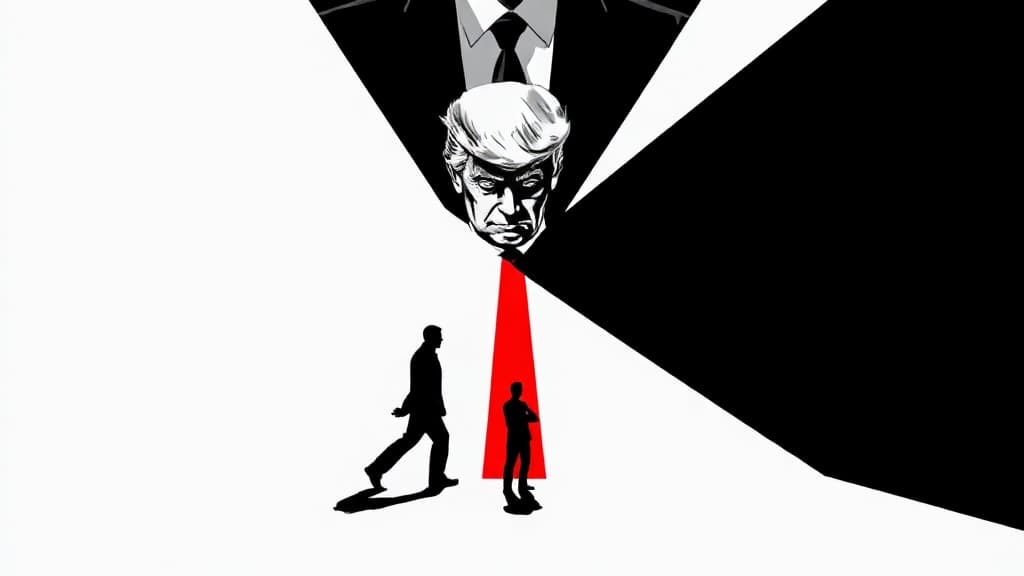
Senate Republicans are publicly warring with President Trump over election integrity, surveillance powers, and his deal to end the Iran war — and the senators fighting him are the same ones who rubber-stamped his agenda when it served the establishment.
The relationship between the White House and Senate Republicans neared a breaking point this week, the Associated Press reported, after Trump upended confirmation of his own intelligence director pick and threatened to veto a key surveillance law renewal unless Congress accepts new terms. But the real fault line is simpler: Trump is pushing priorities the voters who elected him actually want, and Senate Republicans are resisting.
Trump has pressured Senate Majority Leader John Thune relentlessly to scrap the filibuster and pass the SAVE America Act, which would require proof of citizenship to vote. Thune has told Trump publicly and privately the votes aren't there. Trump fired back on social media Thursday that he would be "the last Republican president" if the voting bill fails, warning Thune and Republicans would "go down on the wrong side of History, as will all Republicans who just stood by and watched."
A year ago, criticism of Trump was "almost nonexistent among Republicans on Capitol Hill," as the AP noted, when they worked together to push through a massive spending and tax-cut package. Now that Trump is focused on election integrity and extracting the country from foreign entanglements, senators have suddenly discovered their independence.
Sen. Bill Cassidy, R-La., called Trump's deal to end the Iran war "the worst foreign policy blunder in decades." Sen. Thom Tillis, R-N.C., complained after Trump postponed Jay Clayton's nomination to be intelligence director: "I think somebody's not dialing the president into the complexities of what he's done here. I mean, my God."
The complexities, apparently, are that the Senate doesn't like the temporary intelligence director Trump wants, doesn't want to cede its war powers on Iran, and doesn't want to pass a voting bill that the Republican base demands. Trump has also asked Congress to fund parts of a White House ballroom project.
Trump has so far refrained from personal attacks on Thune, a contrast to his treatment of former Majority Leader Mitch McConnell, whom he once called a "dour, sullen, and unsmiling political hack." But the pressure campaign is escalating, and Thune — who has been candid with Trump about what he can and cannot move through the Senate — is caught between a president who commands the Republican base and a conference that would rather preserve its institutional prerogatives.
The question heading into November is whether Senate Republicans will answer to the voters who sent Trump to Washington or to the donor class and committee chairs who prefer the way things used to work.