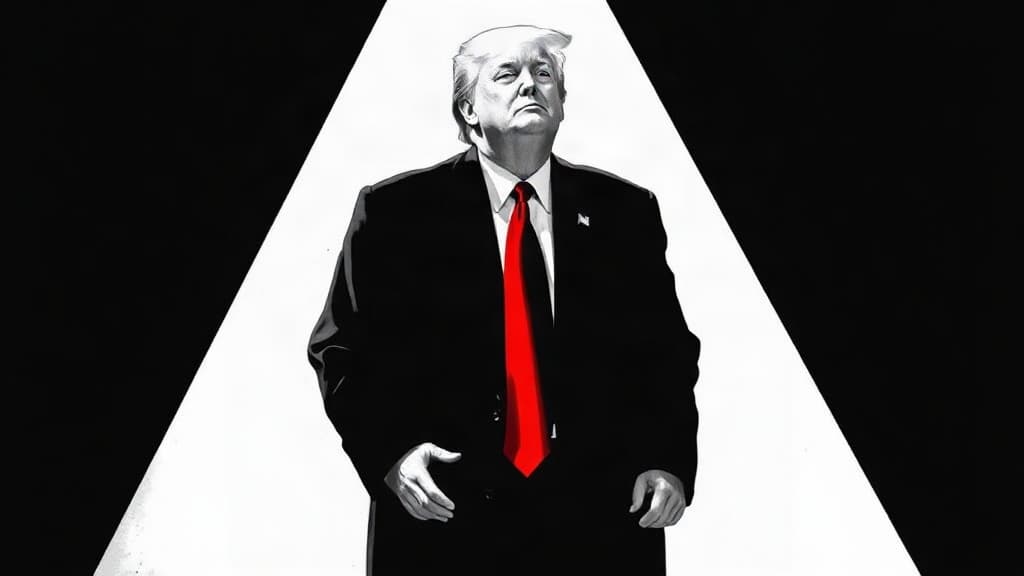
The federal workforce has dropped more than 10 percent under President Trump — below 2.7 million for the first time since 1966 — and the same establishment that spent decades insisting the bureaucracy couldn't be cut is now running editorials admitting it can be done.
The shrinkage is real. The Boston Herald reports the federal government employed over 3 million people in January 2025; by September, that fell to 2.68 million. The Department of Education lost 40 percent of its staff, ended 125 contracts worth $1.3 billion, and terminated 90 grants totaling $504 million, per an Inspector General report. Agriculture and HUD each shed more than 25 percent of staff. USAID and the Corporation for National and Community Service saw even sharper reductions.
DEI is also off the books. Breitbart reports it has been two years since Trump's day-one executive order killed federal DEI offices in hiring and contracting. Peter Schweizer noted Trump fired the Chairman of the Joint Chiefs of Staff who had pushed racial percentage goals for fighter pilots — including a stated Air Force goal to reduce white officers from 80 to 67 percent. Schweizer's Government Accountability Institute previously exposed how minority set-aside contracting programs were rife with abuse, with firms hiring minority front-owners to win contracts.
The tools were blunt: deferred resignations, probationary layoffs, return-to-office mandates, reduction-in-force notices. Courts pushed back. The numbers moved anyway.
But the "It can be done" victory lap arrives at a telling moment. At a campaign rally in Bullhead City, Arizona, Trump told supporters that government leakers "should be shot," according to NBC News and Al Jazeera, referencing leaks ahead of the U.S. strike on Iranian nuclear facilities in June 2025. "Somebody leaked, some sleazebag," Trump said. "They ought to go to jail or be shot. For the rest of their life, they should be in jail." He then pointed at the press covering his rally and compared journalists to leakers: "Those same people up there, they're almost as bad as a leaker, because they leak."
The rhetoric has teeth. NBC News reports roughly 50 members of the military's Joint Staff were polygraphed over suspected leaks. Federal investigators searched the home of Washington Post reporter Hannah Natanson in January; courts blocked the administration from examining seized data. Subpoenas have hit journalists at the New York Times, Washington Post, and Wall Street Journal over stories including a botched Navy SEALs raid in North Korea and internal Pentagon warnings Trump allegedly ignored before the Iran strike. The Defense Department demanded journalists sign agreements not to publish unauthorized material — the press corps refused, and a federal court struck down the demand.
The DIA report that leaked after the Iran strike suggested Iran moved enriched uranium away from bombed sites and that damage was more modest than the administration claimed — exactly the kind of information taxpayers deserve when evaluating whether a military operation justified the spend.
Here is the tension. The bureaucracy is smaller. DEI is dead on paper. The swamp is shrinking. But the same administration delivering these reforms is pursuing the most aggressive anti-press crackdown in modern memory — calling for executions, polygraphing officers, searching reporters' homes. The founders who gathered in taverns to plot against British rule treated leaks and a free press as features of liberty, not threats to be extinguished. The question isn't whether the leviathan can be cut. It's whether the tools of silence outlast the cutting.