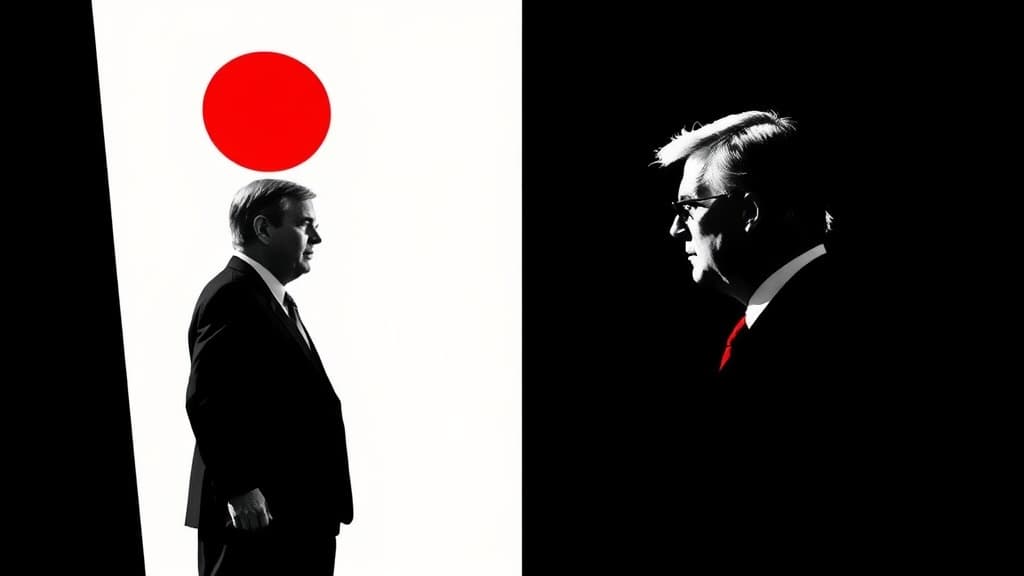
Senators Rand Paul and Bill Cassidy reversed course on an Iran war powers resolution Wednesday night after a day of White House pressure, handing the permanent war class a victory that keeps Congress's constitutional authority to declare war in the executive branch's grip — right where it's been for decades.
The 50-47-1 vote — with Paul voting "present" and Cassidy voting "no" — came just 24 hours after both men had joined Democrats to rein in Trump's military campaign against Iran. The flip matters because the Constitution gives Congress, not the president, the power to declare war. Every time senators cave on war powers, they surrender another piece of that authority to an executive branch that insists it doesn't need permission to wage war anywhere, anytime.
The pressure started over lunch. Trump confronted Senate Republicans in a closed-door meeting, at one point raising his voice and telling Cassidy to sit down, according to CBS News. Cassidy told reporters afterward that he'd pushed back hard: "You have not told the American people what's going on. It was supposed to last four weeks, it's lasted four months. Our original objectives have not been achieved." Cassidy said Trump "raised his voice" and "I lost my temper."
By dinner, Cassidy had changed his tune. After a White House briefing with Vice President JD Vance and special envoy Steve Witkoff, Cassidy posted on X that the conversation addressed "many of my concerns" and voted against the resolution. What exactly Vance and Witkoff told him that changed his mind in a matter of hours remains undisclosed.
Paul, long one of the Senate's most consistent voices on reclaiming Congress's war powers, wrote on X that his opinion "has not changed" but that Trump "asked me to give consideration to his negotiating position." His "present" vote effectively helped kill the measure. Paul has voted for war powers resolutions repeatedly — this time, he stepped aside.
Senate Majority Whip John Barrasso helped "seal the deal" with key GOP members, a person familiar with the matter told CBS News. What Barrasso offered or threatened to secure those votes hasn't been disclosed.
The Trump administration has argued the 1973 War Powers Resolution itself is unconstitutional — a convenient position for an executive branch that has kept American forces in conflicts across the Middle East for decades without a formal declaration of war. This is the 11th time the Senate has voted on an Iran war powers measure this year alone.
CNN noted that Trump had previously called Republicans who backed war powers resolutions "GRANDSTANDERS" and their action "unpatriotic." The New York Times framed the second vote as "an unmistakable gesture to mollify a furious president" — a characterization that captures the dynamic but buries the constitutional stakes.
Trump celebrated on Truth Social: "This vote puts Iran on notice!" He thanked Majority Leader John Thune, Lindsey Graham, and Bernie Moreno by name.
The question neither Paul nor Cassidy answered: What was promised in those White House meetings, and what does it say about the Republic when a lunchtime berating and an evening briefing are enough to flip senators on the most consequential constitutional question — who decides when America goes to war?