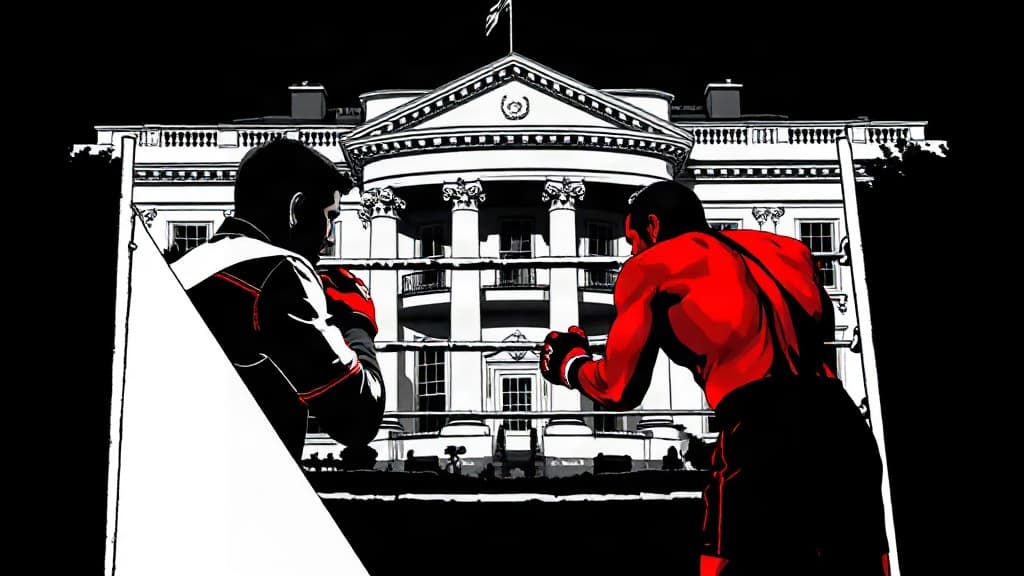
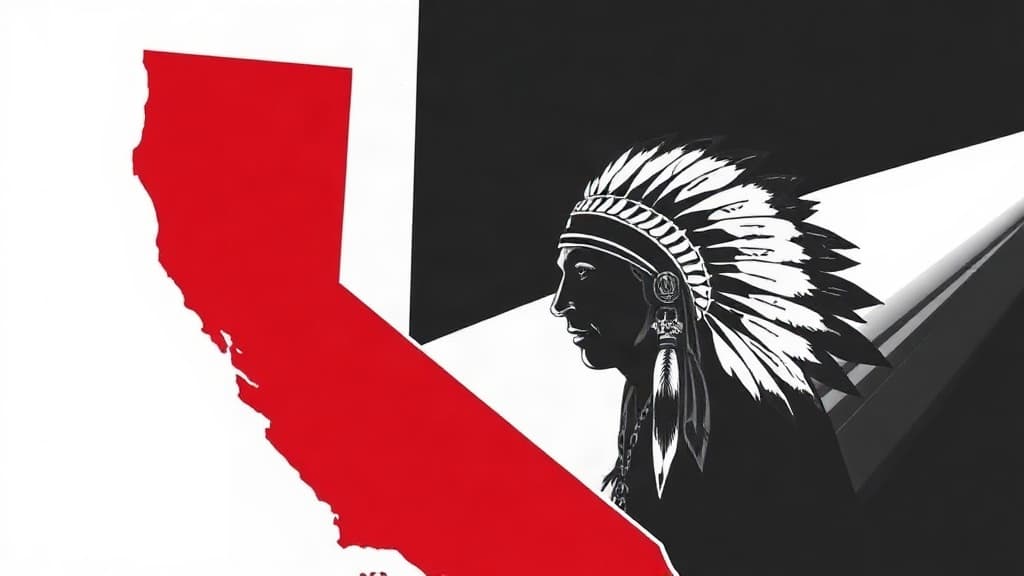
California Gov. Gavin Newsom just signed a package of laws designed to wall off the state's elections from federal oversight — and he's calling it "security." If your elections are clean, you don't need a legal fortress to keep investigators out.
Newsom signed the bills at the Japanese American National Museum in Little Tokyo, a venue he chose for its optics: federal agents had gathered outside a political rally he held there last year, which he described as political intimidation. The Los Angeles Times reported that Border Patrol Sector Chief Gregory Bovino and agents in camouflage and helmets were among those outside the event. Dramatic? Sure. But Newsom is now using that incident to criminalize any law enforcement presence near voting locations.
The centerpiece law, Senate Bill 884, bans police from making arrests near polling places except for crimes against people, property, or disrupting the voting process. It also makes it a felony to seize ballots or election records. That provision targets Riverside County Sheriff Chad Bianco, who in February carted off more than 650,000 ballots from the county registrar's office. Here's what both outlets buried: Bianco had a warrant. The Los Angeles Times reported he "secured a warrant based on claims that the office allowed fraudulent votes" in the 2025 special election. A judge authorized that seizure. Now Newsom has made the same act a felony.
The Guardian framed Bianco's action simply as a "seizure of ballots" without mentioning the warrant. That's not an accident. It's easier to sell the public on "election security" when you leave out the fact that a law enforcement officer had judicial authorization to investigate potential fraud.
The package also extends mail-in ballot drop-off windows and allows counties to ban electioneering within 200 feet of polling sites. Newsom framed the vote-by-mail expansion as a safeguard against the Trump administration's efforts to restrict the practice, which the U.S. Supreme Court already blocked. "Donald Trump won't stop until he can exert dictatorial control over your free vote and disenfranchise millions of people this November," Newsom said in a statement. "California will stop him at every opportunity."
Both outlets ran that quote without asking the obvious follow-up: who's being disenfranchised when a state makes it a felony for law enforcement to investigate ballot fraud — even with a warrant? Secretary of State Shirley Weber declared that "no one should doubt the degree of our resolve in protecting our democracy." But protecting democracy and protecting the counting process from scrutiny are two different things.
The package even includes a bill to penalize undisclosed paid political content — a direct response to billionaire Tom Steyer paying content creators to promote his gubernatorial bid without proper disclosure. The Guardian reported Steyer faced accusations of trying to buy the race. His campaign said he believed in "fair compensation." The rule comes after the fact, but at least it addresses an actual transparency problem.
Trump questioned California's slow counting process during the 2026 primaries, saying without evidence it was an attempt to rig the outcome. Newsom's response wasn't to speed up the count or open the books. It was to make it harder for anyone — local sheriff or federal agent — to look behind the curtain.
If California's elections are honest, they should welcome oversight. Instead, the state's ruling class is building legal walls and daring anyone to question what's inside. What are they so desperate to keep from scrutiny?