Acting Navy Secretary Hung Cao told senators the Navy is firing expired munitions and feeding sailors dwindling rations in the Iran war—a conflict Congress never declared that now costs taxpayers $32.5 million a day.
Cao's confirmation hearing Tuesday laid bare the human and material toll of a nine-month war that has stripped the Pacific of American carrier presence, driven sailors to suicide attempts, and consumed weapons stockpiles so fast the Navy resorted to relabeling expired ordnance for combat use—while defense contractors ramp up production lines and pocket the proceeds.
Cao admitted the Navy "changed condition codes on munitions previously classified as expired in order to use them," according to CNBC, as senators pressed him on the strain the blockade of Iranian ports has placed on weapons stocks and fleet readiness. The fix wasn't to end the deployment—it was to reinterpret the expiration dates.
Follow the money. Cao told the committee that Tomahawk missile production has surged from 125 per year when he served to "well above 60 every month." He said the Navy is working to increase SM-6 missile output and bring in additional ammunition manufacturers. More war, more orders, more revenue for the defense industry. Sen. Elizabeth Warren's office estimated the blockade alone runs $32.5 million daily. Cao appeared to agree.
Meanwhile, the USS Gonzalez had one week of rations remaining. "Usually, I don't like them to go below two weeks of supplies," Cao said, while insisting ships had never run out of food. When Sen. Mark Kelly raised reports of sailors losing 45 pounds, Cao compared it to his children opening the refrigerator and saying "there's nothing to eat here." Kelly wasn't buying it. "Losing 45 pounds is more serious than just not liking the food," he posted on X. "Our sailors are being asked to serve thousands of miles from home for months at a time."
Eight sailors in the USS Abraham Lincoln carrier strike group attempted suicide during deployment. Cao called them "eight suicide mitigations" because personnel intervened. Sen. Kirsten Gillibrand called the term an "insult," insisting they be called what they are: suicide attempts.
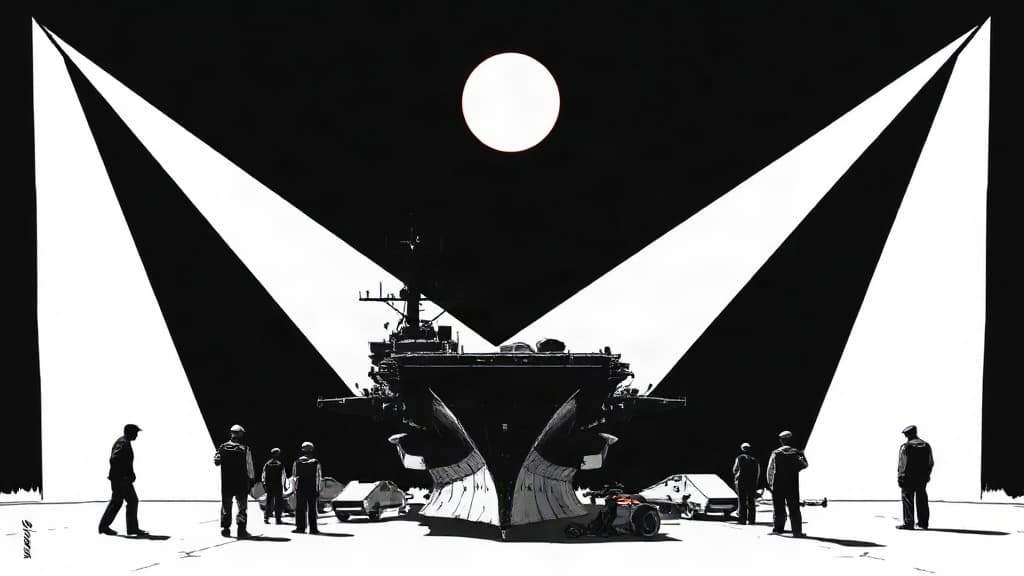
Seventeen destroyers are tied down supporting the blockade, and as Sen. Jack Reed noted, the United States currently has no forward-deployed carrier in the Pacific. Cao claimed the demonstration of American military power has "really set China back on their heels"—a characterization Hirono disputed, according to CNBC.
Al Jazeera reported that Cao also faced bipartisan scrutiny over the quiet relief of the entire leadership team of the USS South Dakota after an October seabed collision, conducted without standard congressional notification. Cao defended shielding commander removals from public disclosure, saying he wanted to protect officers' livelihoods. Reed rebuked him: privacy does not justify withholding information from congressional oversight.
Voter frustration over the war's cost and quagmire cost Republicans both chambers in the November midterms, Al Jazeera noted, after a failed House bid to impeach Defense Secretary Pete Hegseth over his stewardship of the conflict. The Democratic-controlled 120th Congress convenes January 3.
Breitbart focused on Hirono's routine questioning of Cao about whether he had ever committed sexual assault or harassment—standard questions she has asked of every nominee since 2018. Cao said he had not.
A war Congress never authorized, fought with expired shells and hungry sailors, at a cost of nearly $12 billion a year for the blockade alone—and the only people not straining are the contractors counting the orders.