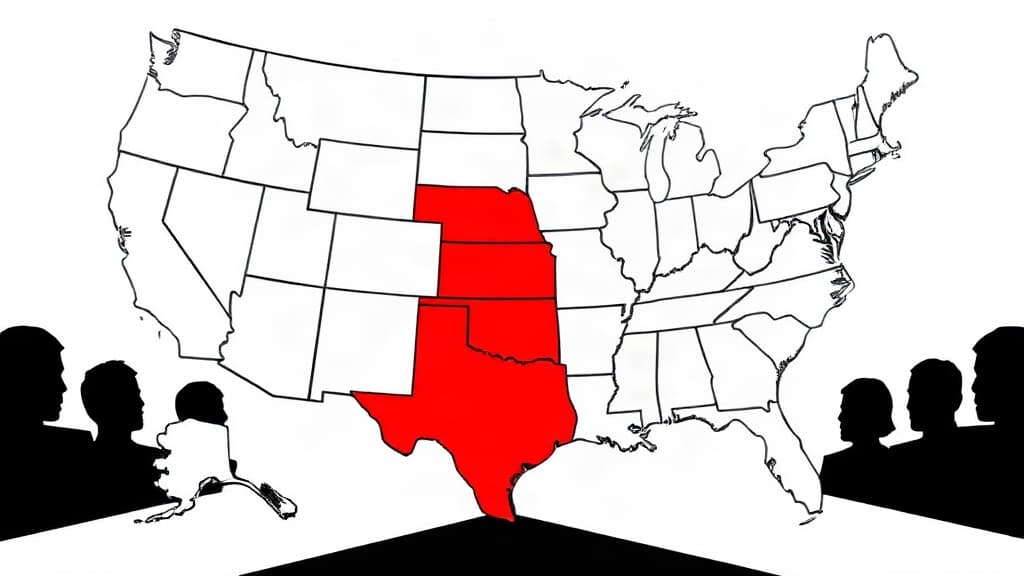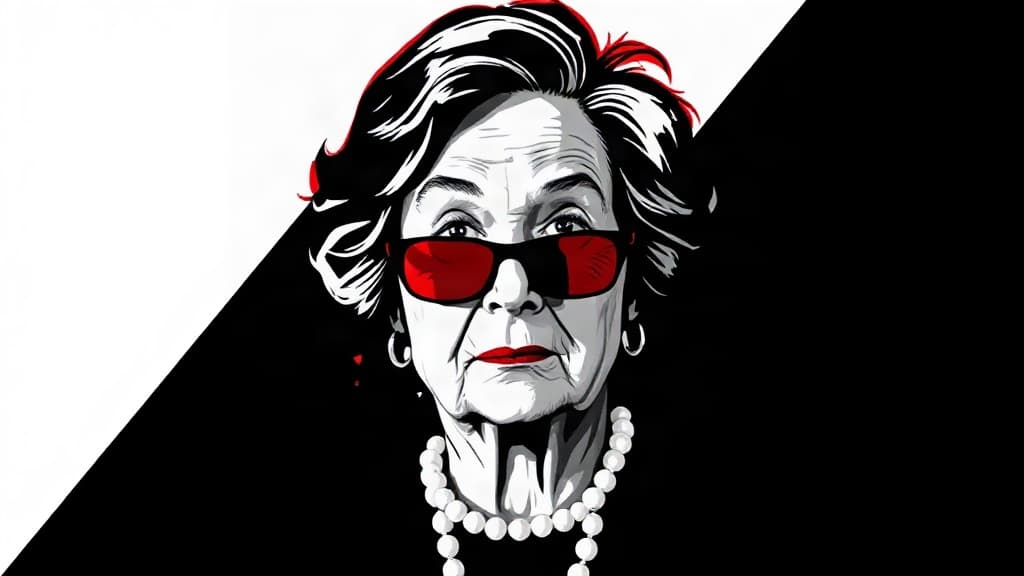
Former Senator Nancy Kassebaum Baker of Kansas died Friday at 94, closing the book on a Republican brand that governed by bipartisan compromise and left working Americans with the bill. She was the daughter of an oilman-turned-governor, Alf Landon, and she carried his country-club Republicanism into the Senate for three terms starting in 1978 — the first woman elected to the chamber without following a husband into office.
Kassebaum Baker represented the permanent Washington consensus at its most presentable: modest in demeanor, willing to cross the aisle, and celebrated by the press for it. Her signature legislative achievement was a 1996 health insurance law she co-authored with liberal Senator Ted Kennedy. She backed Bill Clinton's assault weapons ban. She chaired the Labor and Human Resources Committee. The Guardian framed her as a "progressive Republican" who "could work with Senate colleagues of all political philosophies"; the Post went with "centrist" and "moderate," burying her late-career break with the GOP deeper in the copy. Both outlets presented the bipartisan deal-making as unalloyed virtue.
What the obituaries won't dwell on is what that bipartisan consensus actually delivered. The trade deals, the deindustrialization, the hollowing-out of the heartland — that was the work of both parties operating exactly as Kassebaum Baker operated. She won her 1978 primary with less than 31 percent of the vote in a crowded nine-candidate field, then carried the general with 54 percent. A mandate for coalition-building, or a fracture the establishment was happy to exploit?
By the time she retired in 1997, she acknowledged she'd "rather cuddle up and do needlepoint all day." But she didn't stay out of politics. In her later years, she endorsed Democrats for Kansas governor and Senate — including Laura Kelly in 2018 and 2022, even though Kelly's Republican opponent, Derek Schmidt, had worked on Kassebaum Baker's own Senate staff. And in 2021, she declared Donald Trump should be impeached after the January 6 Capitol breach, telling Kansas City's KMBC: "This just has gone too far."
The Guardian highlighted her impeachment stance; the Post included it without emphasis. Neither explored the obvious tension: a senator who built her brand on working across the aisle spent her final political act insisting the Republican Party had gone too far — when what it had done was reject the very consensus she championed.
Kassebaum Baker's passing marks more than the loss of a former senator. It marks the final exhale of a Republican era that talked moderation while governing for the same globalist interests both parties served. The populist movement buried that brand at the ballot box. The open question is whether current GOP leadership keeps it buried — or digs it back up.