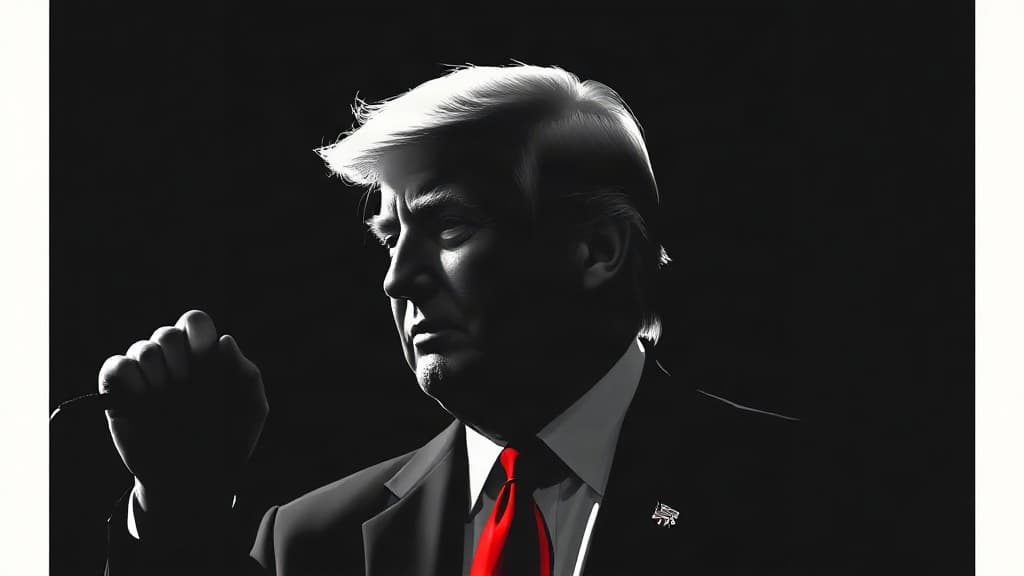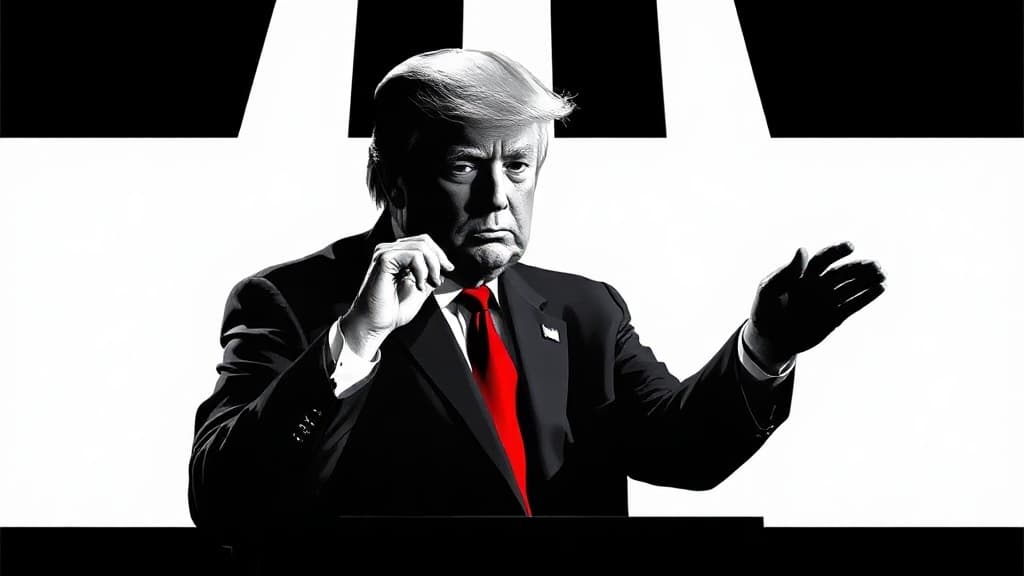
A federal judge just ordered the release of $5.8 million from a court escrow account to E. Jean Carroll — money Donald Trump deposited after a 2023 civil verdict — and the ruling strips the leading opposition candidate of cash and legal leverage while he campaigns for the presidency.
U.S. District Judge Lewis Kaplan directed the disbursement Wednesday after the Supreme Court refused on June 29 to hear Trump's appeal of the $5 million jury award stemming from Carroll's sexual abuse and defamation claims. The account has accrued 11% interest, bringing the total to roughly $5.8 million. Less than an hour after Kaplan's order, Trump filed paperwork indicating he would appeal the decision, according to The Guardian.
The stakes are straightforward: a political opponent is being drained of millions through civil litigation while running for the nation's highest office. Trump's attorneys had asked Kaplan to keep the funds frozen while they petition the Supreme Court to reconsider its refusal to hear the case — requests rarely granted. They argued Carroll, 82, faces only a "temporary delay" with added interest, while Trump faces "unrecoverable loss" because Carroll "has repeatedly stated that she intends to give away all funds that she collects from him," meaning the money cannot be clawed back if the verdict is overturned.
Kaplan wasn't buying it. Carroll's lawyers pointed out that Trump's own team agreed in 2023 the money could be released if the Supreme Court declined to take the case — a deal Kaplan himself signed off on.
NBC News framed the ruling as a straightforward consequence of exhausted appeals. The Guardian used sharper language, calling it a result of Carroll having "bested Trump in her bombshell civil case" and describing his denials as "false, vitriolic." Neither outlet spent much time on the underlying question of whether it serves the public interest for the courts to extract millions from a leading presidential candidate during an active campaign.
The case originated from Carroll's 2022 suit alleging Trump sexually assaulted her in a Manhattan department store dressing room in 1996. The defamation claims arose from statements Trump made after his presidency, calling her allegations a "con job" and "hoax." Trump maintains he does not know Carroll and committed no wrongdoing.
A separate 2024 jury verdict hit Trump with an $83.3 million judgment over defamatory statements he made about Carroll as president. Trump secured a bond for that amount rather than depositing it into the court's registry system. His legal team argues those presidential statements were protected by executive immunity and should not have been shown to the first jury — the basis for their request that the Supreme Court reconsider.
A Trump legal team spokesperson called it part of the "Democrat-funded travesty of the Carroll Hoaxes" and demanded "an immediate end to all of the Witch Hunts."
The question that lingers: when the courts become the mechanism by which a political candidate is relieved of his resources mid-campaign, is that justice — or is it something else entirely?