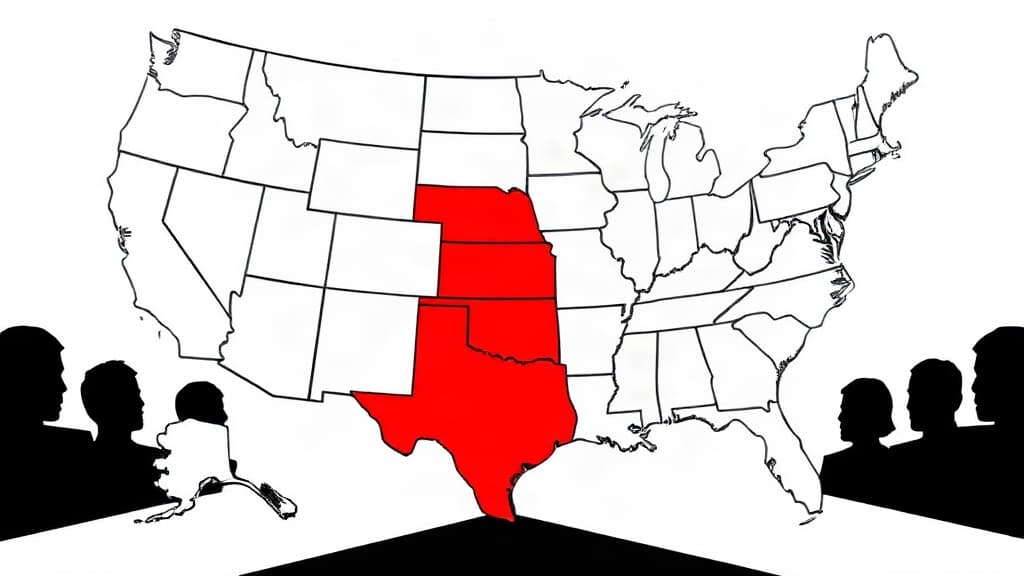
Sen. Lindsey Graham's sudden death has left Senate Republicans down a vote at the worst possible time — and the question isn't whether the margin is tight, but whether the populist wing will finally use it or let the McConnell machine paper over the gap with the same bipartisan surrender.
The stakes are immediate. Nominations, government funding, FISA reauthorization, and President Trump's flagship election integrity bill all await a chamber that returns this week from a two-week hiatus to sprint through July into August. Republicans now operate with even less room for error, and every fracture is an opening for Minority Leader Chuck Schumer to exploit.
Graham was a reliable vote for the establishment consensus — hawkish on foreign intervention, comfortable with bipartisan deals, and never one to rock the appropriations cart. His absence doesn't just shrink the math; it removes a pillar of the old guard that routinely smoothed over intra-party fights in favor of business-as-usual.
The first test is already here. Trump wants the Safeguarding American Voter Eligibility (SAVE) America Act attached to the must-pass National Defense Authorization Act. It's a calculated play: force a vote on election integrity by tying it to military funding. But Republicans on the ground say it hands Schumer a kill switch. Sen. Mike Rounds told Fox News Digital that attaching the SAVE Act would "empower the Democrats to have a reason to be able to stop stuff that otherwise they would probably have to vote for." At the 60-vote threshold, Rounds warned, Democrats know the votes aren't there — and they know how important the bill is to Republicans, making it an "Achilles heel."
Trump has already shown he's willing to blow up bipartisan deals over this. He refused to sign a massive bipartisan housing package in protest of the stalled SAVE Act. That's the kind of hardball the populist base has demanded for years — but it's also the kind that establishment Republicans warn hands leverage to Schumer.
Meanwhile, the intel apparatus is in disarray. Trump's replacement for acting DNI Bill Pulte — Jay Clayton — faces his confirmation hearing Wednesday. Pulte's June appointment blew up Congress' push to reauthorize Section 702 of FISA, the government's key surveillance tool, over bipartisan calls that Pulte was unqualified. Clayton's hearing comes weeks after Trump yanked the initial one, throwing further doubt into whether lawmakers can reauthorize the spying authority. Acting Attorney General Todd Blanche also faces his confirmation hearing this week, with some Republicans still skeptical — though Sen. Thom Tillis appears willing to support him for now.
Then there's the economic backdrop. The New Yorker reports inflation hit 4.2 percent in May, the highest in more than three years, and job growth slowed sharply last month. Just 16 percent of Americans in a recent Harris poll said the economy is getting better; 57 percent said it's getting worse. Trump's approval on the economy sits at 32 percent, and on inflation, just 27 percent. Midterms are less than four months away.
So the picture is clear: a thinner GOP margin, a president willing to torch bipartisan deals for election integrity, a stalled surveillance reauthorization, and an electorate that's fed up with the cost of living. Graham's death doesn't just change the vote count — it tests whether anyone in the Republican conference has the nerve to make it matter.
The establishment lost a reliable vote. Whether the populist wing steps into the gap — or lets the machine fill it — is the open question of the summer.