Darline Graham just walked into a Republican Senate runoff in South Carolina, and every pundit who said Trump's endorsement couldn't move votes for a political outsider owes the electorate an apology.
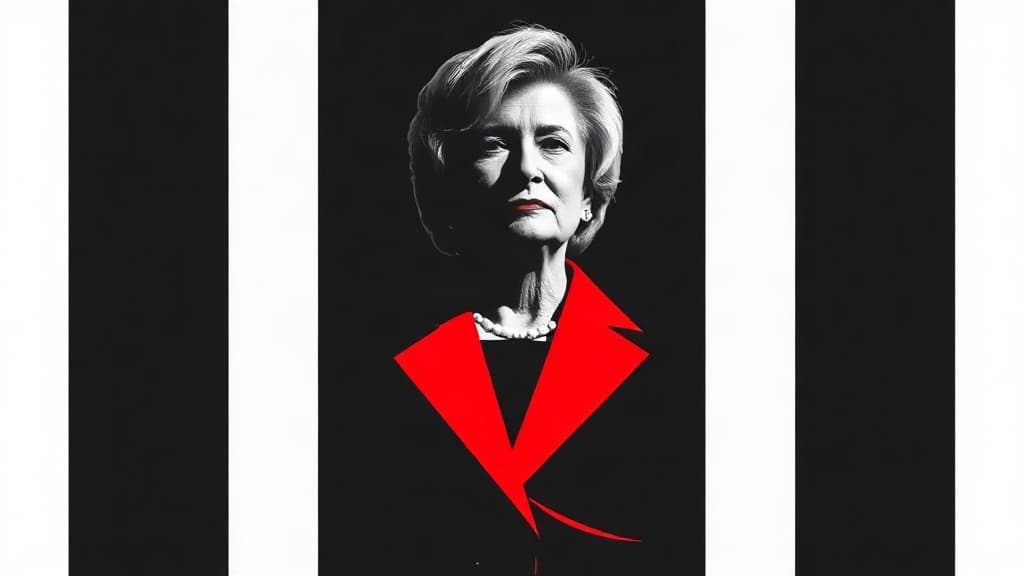
Graham, appointed last month to complete the term of her late brother Lindsey Graham, finished first in Tuesday's abbreviated special primary. She'll face Congressman Ralph Norman in an August 25 runoff. The winner takes on Democrat Annie Andrews in November. The media and the consulting class have spent weeks insisting that Trump's grip on the Republican base is slipping. Graham's first-place finish—against a sitting congressman, a former governor, and another sitting congressman—says otherwise. The America-First movement doesn't need permission slips from The New York Times.
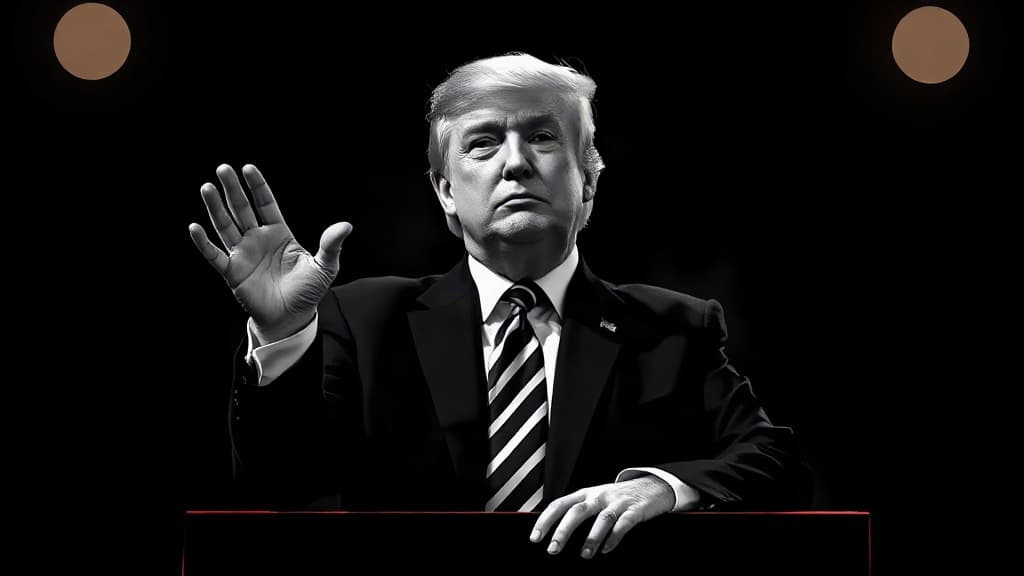
The Times framed Graham as a quiet disability advocate who had barely lived a public life before jumping into the race, noting "skepticism that she can win a statewide election against experienced politicians." The Guardian called her a "political outsider" but buried the lead: she didn't just survive the primary, she led it. Gateway Pundit ran Trump's full endorsement, which called Graham "a WINNER all of her life" who "WILL NEVER LET YOU DOWN." That's the framing that moved votes.
Graham hasn't coasted on the endorsement alone. She ran a state agency for blind residents and, by her account, turned it from a struggling operation into a national model. In three weeks in Washington, she cast the deciding vote to confirm Todd Blanche as attorney general and helped pass a Russia sanctions bill. "I think I've accomplished a whole lot in three weeks," she told reporters Tuesday. She's also broken with her brother's playbook: she wants to kill the filibuster and pass the SAVE America Act requiring proof of citizenship at voter registration—positions Lindsey Graham never championed.
Norman, her runoff opponent, is Freedom Caucus vice-chair and a real estate developer who's been in Congress since 2017. He's pushing the same SAVE America Act Graham backs, plus a bill to strip housing funds from cities that shield illegal immigrants from ICE. On policy, there's daylight between them, but not a continent.
The ugliest moment of the primary came from Congressman Russell Fry, who likened Graham's appointment to "DEI"—a cheap shot at a woman who ran a state agency for two decades. Fry also attacked her for a debate comment favorable to datacenter development. Voters weren't buying it; Fry didn't make the runoff.
The runoff will test whether Trump's endorsement can close the deal, or whether Norman's Freedom Caucus infrastructure and Charlotte suburban vote machine can grind out an upset. The Times helpfully noted that Trump's last endorsee for governor in South Carolina, Pamela Evette, lost her race—a warning shot Graham would be wise to heed. But here's what the establishment keeps missing: Graham ran as an outsider in an election where two sitting congressmen and a former governor were on the ballot, and she finished first. The Republican electorate in South Carolina still trusts Trump's judgment over the consultant class. The runoff will prove whether that trust extends all the way to the ballot box, or whether Norman's swamp infrastructure can swamp the will of the voters. Either way, the pundit class already lost this round.