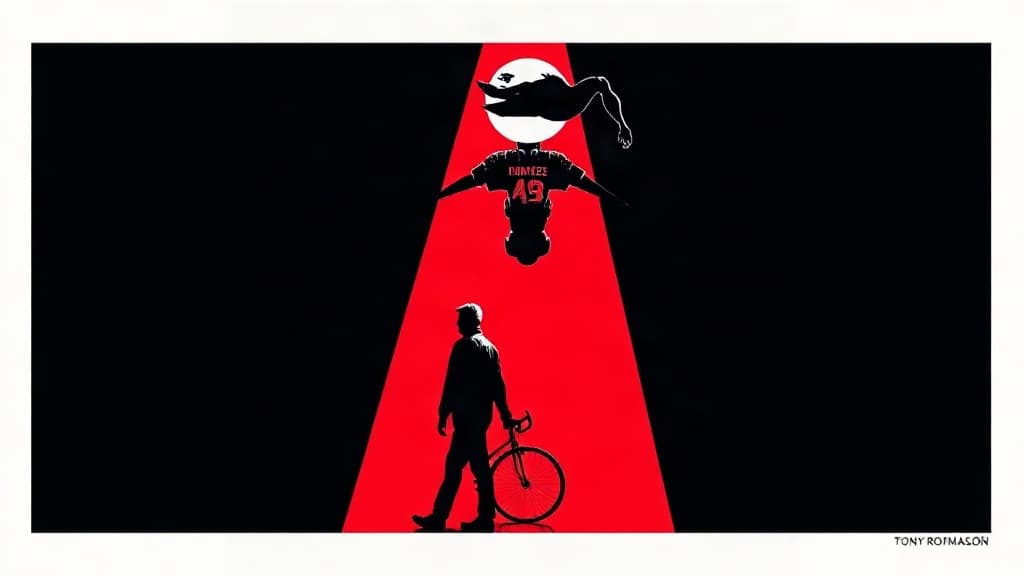
Tony Romo is out at CBS after a drunk driving arrest, and the same media apparatus that never stops lecturing ordinary Americans about accountability gave him a velvet cushion on the way out the door.
When a working man gets pulled over for operating a vehicle under the influence, he loses his job, loses his license, and gets a criminal record that follows him for life. When a broadcaster pulling down $180 million on a record-setting CBS contract does the same thing, he gets a press release about how the two parties "mutually agreed to part ways" and warm wishes for the future. The double standard isn't an accident—it's the whole system.
Here are the facts. Romo was arrested July 23 during a traffic stop in Milwaukee. According to ESPN, the arresting officer detected a "strong odor of an alcoholic beverage" on Romo's breath. Romo performed poorly on field sobriety tests and was taken into custody. He pleaded no contest on September 1 and received a six-month driving ban, an ignition interlock device requirement, an alcohol assessment program, and a fine—The Guardian reported $834, ESPN reported $784.
After his no-contest plea, Romo acknowledged that football injuries had led to an "over-reliance on alcohol" and said he would "own my mistakes fully," as The Guardian reported. That's more than most media figures manage when they get caught. Credit where it's due.
But CBS didn't fire him. They placed him on leave "until further notice" and then engineered a dignified exit. "CBS Sports and Tony Romo have mutually agreed to part ways," the network said in its statement. "We thank Tony for his contributions over the past nine years and wish him the best moving forward." Translation: we're cutting ties, but we're going to make it sound like a retirement party.
Breitbart noted something the other outlets soft-pedaled: speculation had already been building that Romo wouldn't return to the top broadcast team, partly because his on-air performance had "fallen off in recent years" and partly because JJ Watt's fill-in work was strong enough to make the switch permanent. In other words, CBS may have gotten the DUI exit they wanted all along—a convenient excuse wrapped in moral language.
That's the real game here. The media class doesn't actually care about drunk driving. If they did, they'd cover every DUI the same way—straightforward consequences, no soft landings. Instead, they reserve the gentle exits for people inside the club and the ruin for everyone else. Romo got the VIP treatment: a statement about taking a break to focus on health and family, gratitude from his employer, and an open door to his "next opportunity." The ordinary guy who blows over the limit gets a suspended license, an interlock device, and a hiring manager who Googles his name.
Romo owned his mistake. Good. But the institution that employed him—the same institution that sits in judgment of half the country every Sunday and every evening newscast—couldn't bring itself to simply say: you drove drunk, you're fired. They had to make it palatable. They had to protect the brand. They had to protect one of their own.
That's the rot. Not the DUI itself—people stumble. The rot is the two-tier system where the people who police your behavior never have to live by the rules they write for you.